The proposal to implement transit tolls on vessels traversing the Strait of Hormuz represents a fundamental breach of the United Nations Convention on the Law of the Sea (UNCLOS) and an immediate threat to the cost-basis of global energy distribution. While the rhetoric surrounding this issue often focuses on "unacceptability" or general risks to "freedom of navigation," the actual threat is grounded in the disruption of the Transit Passage regime. Unlike "Innocent Passage," which allows coastal states to regulate certain behaviors within their territorial waters, Transit Passage—the specific legal framework governing international straits—prohibits coastal states from hampering or suspending transit, let alone monetizing it through arbitrary tolls.
The Structural Mechanics of Maritime Chokepoints
The Strait of Hormuz is not a discretionary route; it is a physical bottleneck through which approximately 20% of the world’s daily petroleum consumption flows. To analyze the impact of a tolling regime, one must understand the three variables that dictate maritime logistics: Legal Certainty, Predictability of Cost, and Kinetic Security.
1. The Erosion of Legal Certainty
The 1982 UNCLOS framework established that in straits used for international navigation, all ships and aircraft enjoy the right of transit passage, which shall not be impeded. If a littoral state—in this case, Iran or Oman—unilaterally imposes a fee, it effectively reclassifies an international waterway as a private toll road. This creates a dangerous precedent for the 300-plus other straits worldwide. If Hormuz can be tolled, the Malacca Strait, the Bab el-Mandeb, and the English Channel are logically next. The result is a fragmented global commons where the "High Seas" are no longer a shared resource but a series of rent-seeking jurisdictions.
2. The Cost Function of Energy Volatility
Shipping companies operate on razor-thin margins and precise schedules. The introduction of a toll introduces a non-market variable into the Cost of Goods Sold (COGS) for energy.
- Administrative Friction: Even a nominal fee requires a mechanism for collection, verification, and enforcement. This adds laytime (delays) to a vessel’s voyage.
- Insurance Premiums: The act of enforcing a toll often involves the threat of boarding or detention. Marine insurers respond to such threats by increasing "War Risk" premiums, which can exceed the actual cost of the toll itself.
- Market Contagion: The Brent and WTI benchmarks respond to supply-chain friction, not just supply volume. A toll is a permanent tax on the "friction" of moving oil from the Persian Gulf to the Far East or Europe.
3. Kinetic Security Risks
Enforcement of a tolling regime requires a naval presence capable of intercepting non-compliant vessels. This transforms a logistical lane into a militarized zone. When a coastal state threatens to stop a VLCC (Very Large Crude Carrier) for non-payment, they are inviting a military response from the flag state of that vessel or its buyers (e.g., the United States, China, or the EU). The "toll" thus becomes a trigger for kinetic escalation rather than a simple revenue stream.
The Economic Distortion of Sovereign Rent-Seeking
The Greek Prime Minister’s assertion that tolls are "unacceptable" reflects the interests of the world's largest merchant fleet owner. Greece controls roughly 20% of the global shipping capacity by deadweight tonnage. For the Greek shipping industry, the Strait of Hormuz is a critical artery. To quantify the risk, we must look at the Transit Rent Theory.
Sovereign states occasionally attempt to extract "rent" from their geography. This differs from a canal fee (like Suez or Panama) because canals are man-made infrastructure requiring maintenance, dredging, and lock management. A natural strait requires none of these services from the coastal state to be navigable. Therefore, any fee is pure economic rent—profit derived from ownership of a bottleneck without adding value to the transit process.
The Breakdown of Price Elasticity in Energy Shipping
Because there is no viable alternative to Hormuz for the majority of Persian Gulf exports—pipelines like the East-West Pipeline in Saudi Arabia or the Habshan-Fujairah line in the UAE have limited capacity—the demand for transit is highly inelastic. A tolling authority could theoretically raise prices significantly before traffic diverted, because the cost of not moving the oil is the total collapse of the exporter's economy and the importer's energy grid.
This inelasticity makes the Strait of Hormuz a "perfect" target for extortion, which is precisely why international law is so rigid in prohibiting it. If the legal barrier falls, the economic barrier becomes whatever the littoral state's military can enforce.
Strategic Interdependencies and the "Freedom of Navigation" Mythos
The phrase "Freedom of Navigation" is often dismissed as a platitude, but in strategic consulting, it is a quantifiable asset. It is the guarantee that the Longest Path in a supply chain remains the most efficient.
- The Tanker War Precedent: Historical data from the 1980s "Tanker War" shows that even the threat of interference in the Strait led to a 25% spike in shipping costs due to increased crew wages, hull insurance, and the necessity of naval escorts. A tolling regime is effectively a "soft" version of a blockade.
- Strategic Autonomy: European nations, including Greece, rely on the Persian Gulf for a significant portion of their LNG and crude oil. A tolling regime gives the controlling power (Iran) a "volume knob" on European inflation. By adjusting the toll or selectively enforcing it, a littoral state can exert political pressure on distant nations.
- The China Variable: China is the largest importer of oil through the Strait. Any tolling regime would force Beijing to choose between paying the "tax" (and acknowledging the littoral state's right to control the water) or deploying the PLAN (People's Liberation Army Navy) to provide escorts, thereby accelerating the militarization of the Indian Ocean.
Quantifying the Friction: A Theoretical Model
If we assume a hypothetical toll of $1.00 per barrel—a modest figure in the context of oil prices—the daily revenue would be approximately $20 million. While this seems beneficial for the collecting state, the Secondary Cost Multiplier suggests a much higher impact on the global economy:
- Insurance Escalation: $0.50 - $1.50 per barrel.
- Fuel/Bunker Surcharges (due to delays): $0.10 - $0.30 per barrel.
- Speculative Risk Premium in Crude Markets: $5.00 - $10.00 per barrel.
The "Cost of Toll" is rarely just the price of the ticket; it is the systemic inflation caused by the uncertainty of the transit.
The Failure of the "Maintenance Fee" Argument
Proponents of tolls often argue that they need funds to manage environmental safety or search and rescue (SAR) operations in the strait. This argument fails under rigorous scrutiny:
- The IMO Framework: The International Maritime Organization already provides mechanisms for funding safety through voluntary agreements and international conventions.
- Disproportionate Revenue: The revenue generated by a shipping toll would dwarf the actual costs of SAR or environmental monitoring by orders of magnitude.
- Lack of Reciprocity: In a tolling regime, there is no guarantee that the funds collected are reinvested into the safety of the strait. Instead, they typically enter the general treasury of the coastal state, funding unrelated domestic or military expenditures.
Regional Stability and the Domino Effect
The Greek position is a defensive maneuver against the "commoditization of geography." If the Strait of Hormuz becomes a revenue-generating asset for Iran or Oman, it fundamentally changes the power balance in the Middle East.
- Weakening of the Petro-States: Exporters like Kuwait, Iraq, and the UAE would see their net revenue per barrel decrease, as the toll is effectively deducted from their selling price.
- Shift to Pipeline Infrastructure: We would see an immediate, massive capital flight toward terrestrial pipelines. While more secure from tolls, pipelines are vulnerable to sabotage and create new geopolitical dependencies on the countries through which they pass.
- The Demise of Global Trade Standards: The world moves toward a "Might Makes Right" maritime policy. Small trading nations (like Greece, Singapore, or the Netherlands) lose their ability to operate globally without the protection of a superpower.
Strategic Recommendation for Global Actors
The response to any proposed tolling in the Strait of Hormuz cannot be limited to diplomatic "concern." It requires a multi-layered containment strategy:
- Hard-Line Legal Non-Recognition: Flag states must instruct their vessels to refuse payment of any toll that is not sanctioned by an international body. This forces the toll-seeker to either back down or use force, the latter of which triggers international defense pacts.
- Unified Maritime Task Forces: The expansion of existing structures like the International Maritime Security Construct (IMSC) to provide a persistent, visible presence that guarantees transit without the need for individual vessel negotiations.
- Economic Counter-Levers: Imposing immediate, reciprocal "port-access fees" or trade sanctions on any state that attempts to monetize an international strait. This ensures that the cost of collecting the toll exceeds the revenue generated.
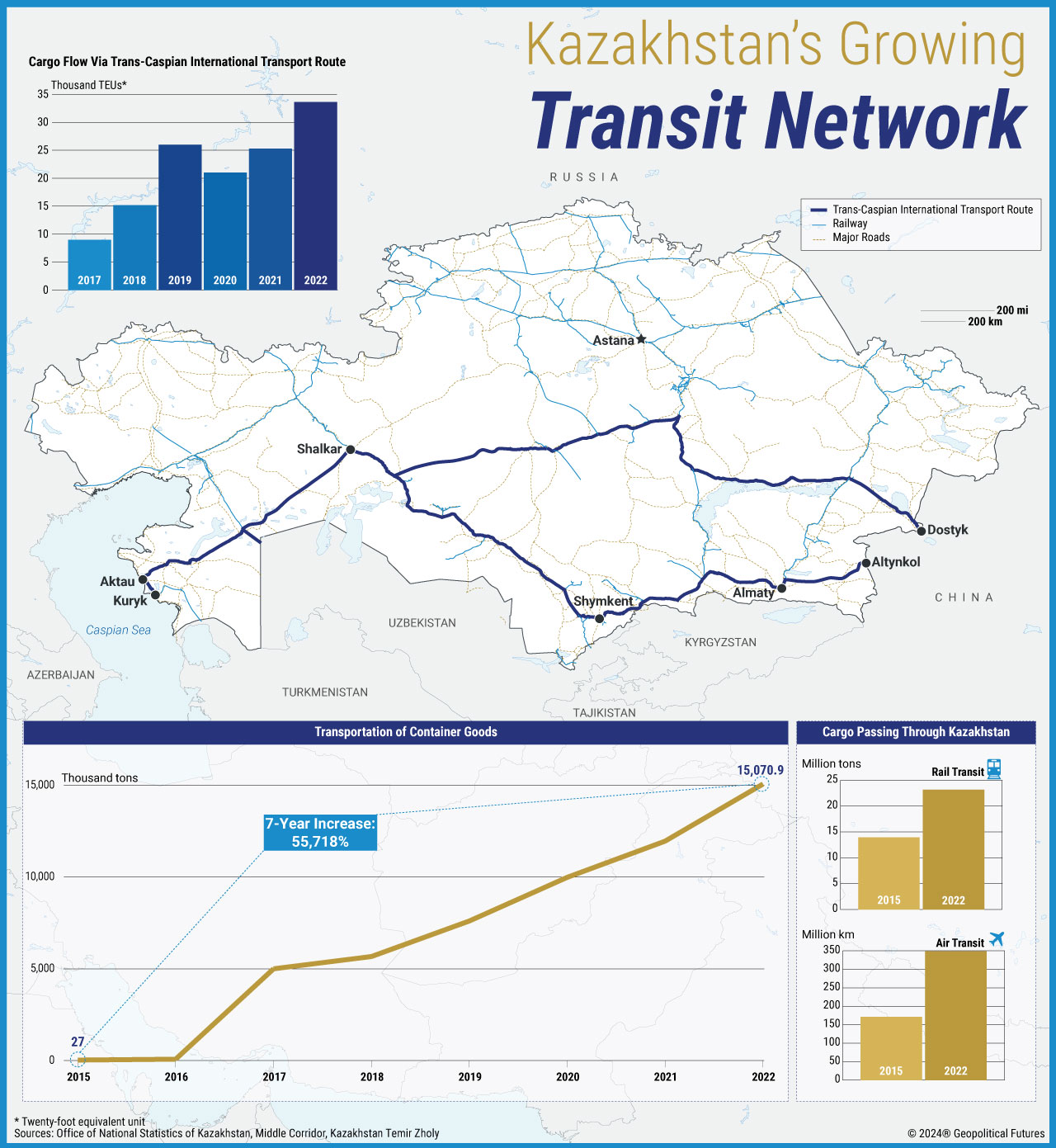
- Bypassing the Chokepoint: Long-term investment in the "Middle Corridor" and additional pipelines to the Gulf of Oman or the Red Sea to reduce the Strait's leverage. However, this is a 10-year play; in the immediate term, the only solution is the rigid enforcement of Transit Passage.
The "freedom of navigation" in the Strait of Hormuz is the bedrock of the current global energy order. Any attempt to introduce a tolling mechanism is not a commercial proposal; it is a hostile act against the global economy. Protecting this transit is not about "helping ships"; it is about preventing the weaponization of geography.