The air in Moscow has a way of sharpening the senses, especially when you are accustomed to the humid, floral warmth of Kuala Lumpur. When Sultan Ibrahim, the King of Malaysia, stepped off the plane, he wasn't just moving between climates. He was stepping into a theater of high-stakes energy poker where the cards are weighted with lead and the stakes are measured in millions of barrels.
Diplomacy is often described as a series of dry communiqués and stiff handshakes. That is a lie. Real diplomacy is the smell of expensive leather in a Kremlin reception room, the silence between two leaders as they weigh the cost of a long-term alliance, and the quiet vibration of a phone in a bureaucrat’s pocket back in Putrajaya. This visit wasn't a holiday. It was a bridge built across a geopolitical chasm, designed to carry oil from the Siberian tundra to the bustling ports of Southeast Asia.
The Friction of Distance
Malaysia is a nation that runs on momentum. From the neon-lit canopy of the Petronas Towers to the sprawling factories of Johor, the country breathes energy. But that breath is getting expensive. While the world debates the merits of various power sources, a factory manager in Penang—let’s call him Tan—doesn't care about the abstractions of global trade. He cares about the cost of keeping the lights on. If the price of fuel spikes, his margins evaporate. If his margins evaporate, his workers go home early.
This is where the King comes in.
A monarch’s role in modern trade is often misunderstood as purely ceremonial. In reality, the King acts as a cultural and political lubricant. In a world of cold spreadsheets, his presence provides the "face" required to finalize deals that ministers can only draft. Russia, currently navigating a labyrinth of international sanctions and looking eastward for new best friends, views Malaysia not just as a buyer, but as a gateway to the entire ASEAN region.
The deal on the table isn't just about buying oil; it's about securing a lifeline. Russia has the crude. Malaysia has the strategic location and the growing appetite. The "smooth path" mentioned by analysts is actually a jagged mountain range of banking restrictions, shipping logistics, and the ever-present shadow of Western disapproval. Every barrel of Russian oil that finds its way into a Malaysian refinery is a victory of pragmatism over ideology.
The Invisible Pipeline
Imagine a map of the world where the borders are erased and replaced by glowing veins of energy. One thick, pulsing vein starts in the Yamal Peninsula, snakes through the Russian heartland, and then hits a wall. That wall is the current global political climate. To get that energy moving again, it needs a new direction.
Russia’s pivot to Asia is more than a strategic shift; it is an act of economic survival. For Malaysia, accepting this pivot is a calculated risk. The King’s visit serves as the ultimate signal that Malaysia is willing to dance on the edge of that risk. By formalizing these ties, they are essentially saying that their domestic stability—the ability for Tan in Penang to keep his factory running—outweighs the discomfort of international scrutiny.
The complexity of such a deal is staggering. You don't just write a check to a Russian oil major anymore. You have to navigate the "shadow fleet" of tankers, find banks willing to process payments in currencies other than the US dollar, and ensure that the insurance on those ships won't vanish the moment they hit open water. It is a logistical tightrope walk performed in a hurricane.
A Balance of Power
Malaysia has always been a master of the middle ground. It is a country that can host a Chinese investment summit in the morning and a US trade delegation in the evening. This visit to Moscow is the latest chapter in that balancing act. While the West might see it as a provocation, the Malaysian leadership sees it as diversification.
Consider the alternative. Relying on a single source of energy, or a single geopolitical bloc, is like building a house on a sandbar. When the tide changes, you lose everything. By courting Russia, Malaysia is adding a heavy anchor to its economic ship.
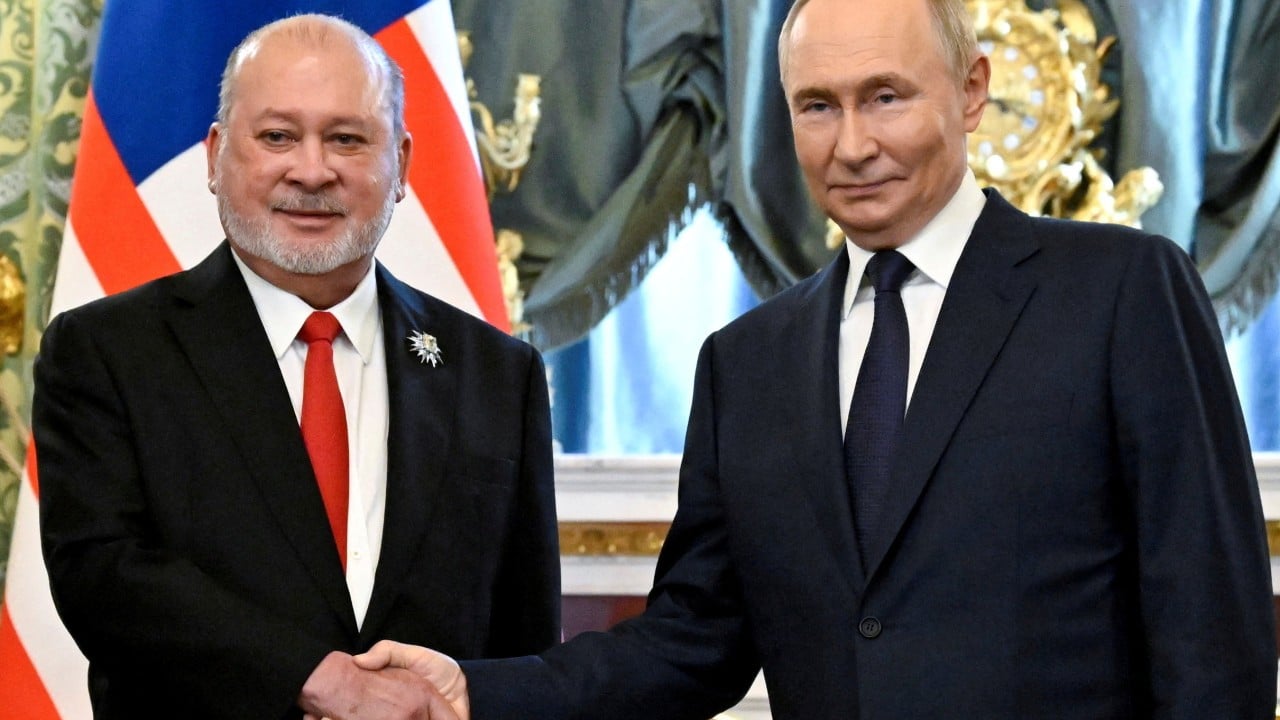
There is a specific kind of tension that exists when a King meets a President under these circumstances. It is the tension of the unspoken. They don't need to discuss the sanctions at length; the very fact that they are sitting in the same room is a commentary on them. They don't need to debate the morality of the energy trade; the roaring engines of the global economy do that for them.
The Human Cost of High Prices
We often talk about "oil deals" as if they are abstract numbers on a screen. They aren't. They are the price of a bus ticket for a student in Kuala Lumpur. They are the cost of fertilizer for a farmer in the Cameron Highlands. They are the difference between a small business expanding or shuttering its doors.
When the King returns home, he won't be carrying barrels of oil in his luggage. He will be carrying something more valuable: a guarantee. The "smoothing of the path" means that when the next global supply shock hits, Malaysia might just have a back door to the world’s largest filling station.
This isn't just business. This is a story of a nation-state acting with the primal instinct of a provider. The King is the patriarch ensuring the larder is full. Putin is the supplier looking for a loyal customer who doesn't ask too many questions about the neighbors. It is a marriage of convenience, perhaps, but in the world of global energy, love was never part of the contract.
The path is being paved with more than just asphalt and intentions. It is being paved with the quiet, relentless necessity of keeping a nation moving. As the royal jet climbed away from the Moscow skyline, the deals were already being translated from the language of diplomacy into the language of flow rates and credit lines.
The warmth of Kuala Lumpur was waiting, but the world felt a little smaller, and the future of Malaysian energy felt a little more secure, anchored by a handshake in the cold.