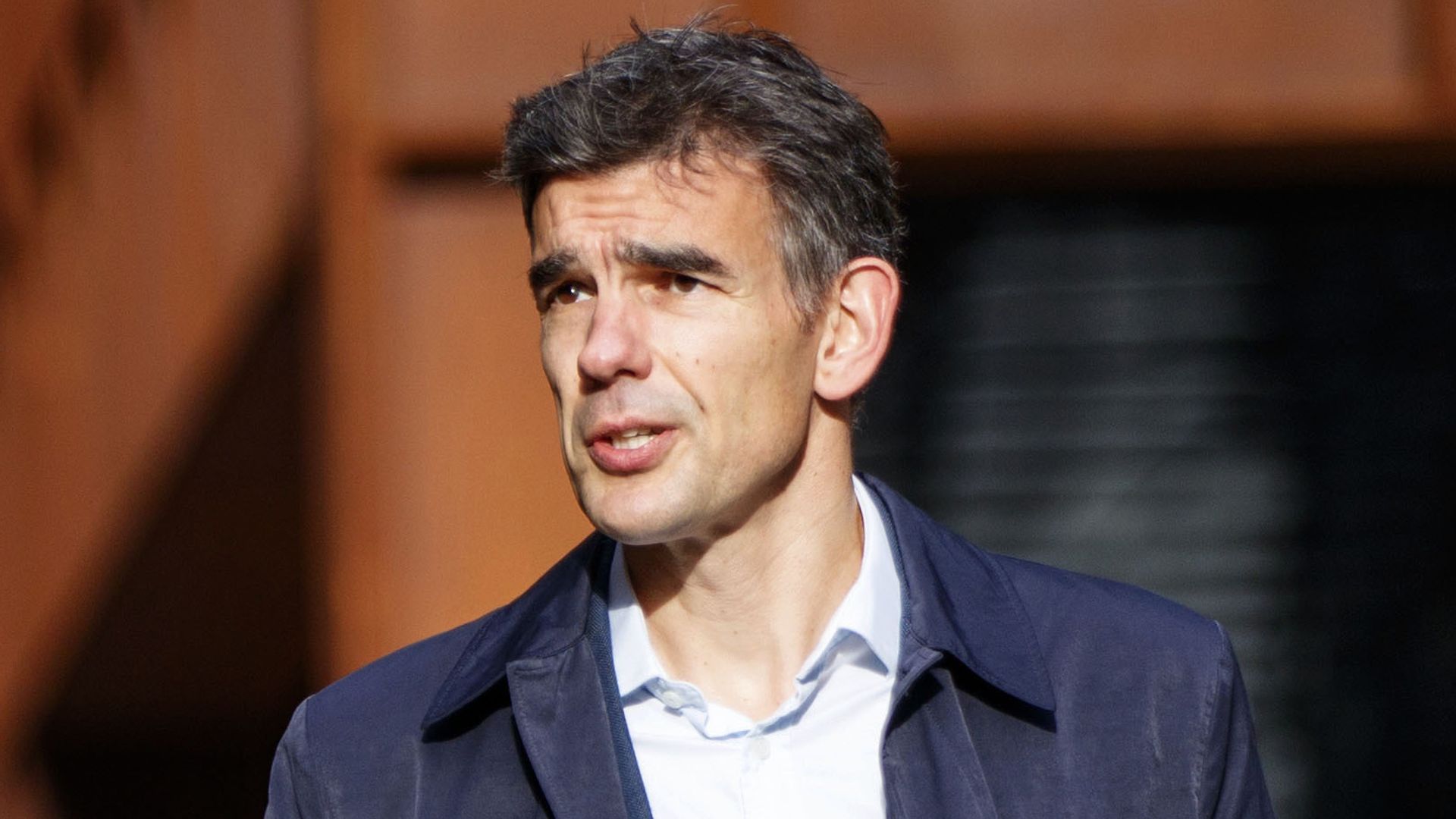
The BBC board has finally found its man, and he is a man who once claimed, under oath, that he did not know his own salary. Matt Brittin, the former president of Google EMEA and a veteran Olympic rower, is set to become the 18th Director-General of the British Broadcasting Corporation. His appointment, approved by the board on March 19, 2026, marks the end of a desperate four-month search following the ignominious resignation of Tim Davie. Davie’s exit was the climax of a disastrous editorial scandal involving a butchered video of Donald Trump, a mistake that triggered a $10 billion lawsuit and left the world’s most famous broadcaster rudderless.
By choosing Brittin, the BBC is not just hiring a manager; it is importing a philosophy. For decades, the corporation has been led by "telly people"—producers, journalists, and programmers who grew up in the church of public service broadcasting. Brittin is a McKinsey-trained strategist who spent nearly 20 years at the world’s largest advertising engine. The message is clear. The BBC has stopped trying to fight the tech giants and has decided, instead, to be led by one of them.
The Architect of the Digital Siege
Brittin is no stranger to the hot seat. In 2013, he famously sparred with Margaret Hodge and the Public Accounts Committee over Google’s tax arrangements in the UK. Hodge accused the company of being "calculated and unethical" for routing billions in British profits through Ireland. Brittin’s defense was a masterclass in corporate obfuscation, insisting that Google did not "sell" in the UK despite having thousands of staff in London who did exactly that.
This history is significant because it defines the primary criticism of his new role. The BBC is a national institution built on trust and transparency; Brittin’s corporate legacy is built on the aggressive optimization of global systems.
His tenure at Google saw the platform transform from a helpful search engine into a dominant, data-hungry behemoth that fundamentally broke the business model of traditional journalism. Now, the man who helped lead the siege on the media industry’s walls has been handed the keys to its most prestigious castle. The irony is thick enough to choke on.
A Data Driven Defense
The BBC board, led by Chairman Samir Shah, sees things differently. They are staring at a "cliff edge" of funding and a younger generation that views the license fee as a bizarre historical tax on a service they rarely use. To them, Brittin is the only person capable of turning the BBC into a competitive digital platform.
- Platform Mastery: Brittin understands the algorithms that currently dictate what the world watches.
- AI Integration: He has spent his "mini-gap year" advocating for the transformative power of AI, a tool the BBC desperately needs to automate its archive and personalize its iPlayer experience.
- Commercial Aggression: The board expects Brittin to massively expand BBC Studios, the commercial arm, to offset the shrinking license fee income.
The appointment is a gamble that a "Davie Mark II"—another energetic, athletic, commercially-minded male executive—can succeed where the original failed. But the stakes are higher now. The BBC is currently negotiating its next Royal Charter, and the government is increasingly hostile to the idea of a mandatory fee.
The Invisible Candidate Problem
The road to Brittin’s appointment was littered with the ghosts of better-suited candidates who refused to touch the job. High-profile women like Alex Mahon of Channel 4 and Charlotte Moore, the former BBC content chief, reportedly looked at the "poisoned chalice" and walked away. The role of Director-General has become a political punching bag, offering a relatively modest salary—likely around £525,000—in exchange for 24/7 scrutiny from the press, the government, and a frustrated public.
There is a growing unease within the halls of Broadcasting House. Staff are weary of leaders who speak in "corporate-speak" about "synergy" and "digital-first workflows" while the actual business of making high-quality television and radio is gutted by a £600 million savings drive. Brittin’s background as a chartered surveyor and management consultant suggests a leader who is very good at measuring the building, but perhaps less interested in the art created inside it.
The Trump Shadow
Brittin’s first week will be dominated by the legal fallout from the Panorama scandal. The misleading edit of Donald Trump’s speech wasn't just a technical error; it was an existential crisis that suggested the BBC’s editorial guardrails had completely failed.
Trump has framed the BBC as "corrupt and fraudulent," a narrative that plays well with a significant portion of the British electorate who already feel alienated by the broadcaster. Brittin, who spent years defending Google’s reputation against regulators and activists, will have to prove he can defend the BBC’s editorial integrity with the same vigor he once used to defend Google’s tax bill.
The End of the Public Service Era
If Brittin succeeds, he will transform the BBC into a global tech player, a "Netflix of news and culture" that survives on data and international subscriptions. If he fails, he will be remembered as the man who oversaw the final privatization or dismantling of a 100-year-old experiment in public education.
The selection of an Olympic rower is apt. Brittin is used to pulling hard against the current, staring backward while moving forward. But the BBC is no longer a sleek racing shell on the Cam; it is a massive, aging tanker in a storm, and the shore is getting very close.
Would you like me to analyze the specific financial challenges Brittin will face in the 2027 Royal Charter negotiations?


