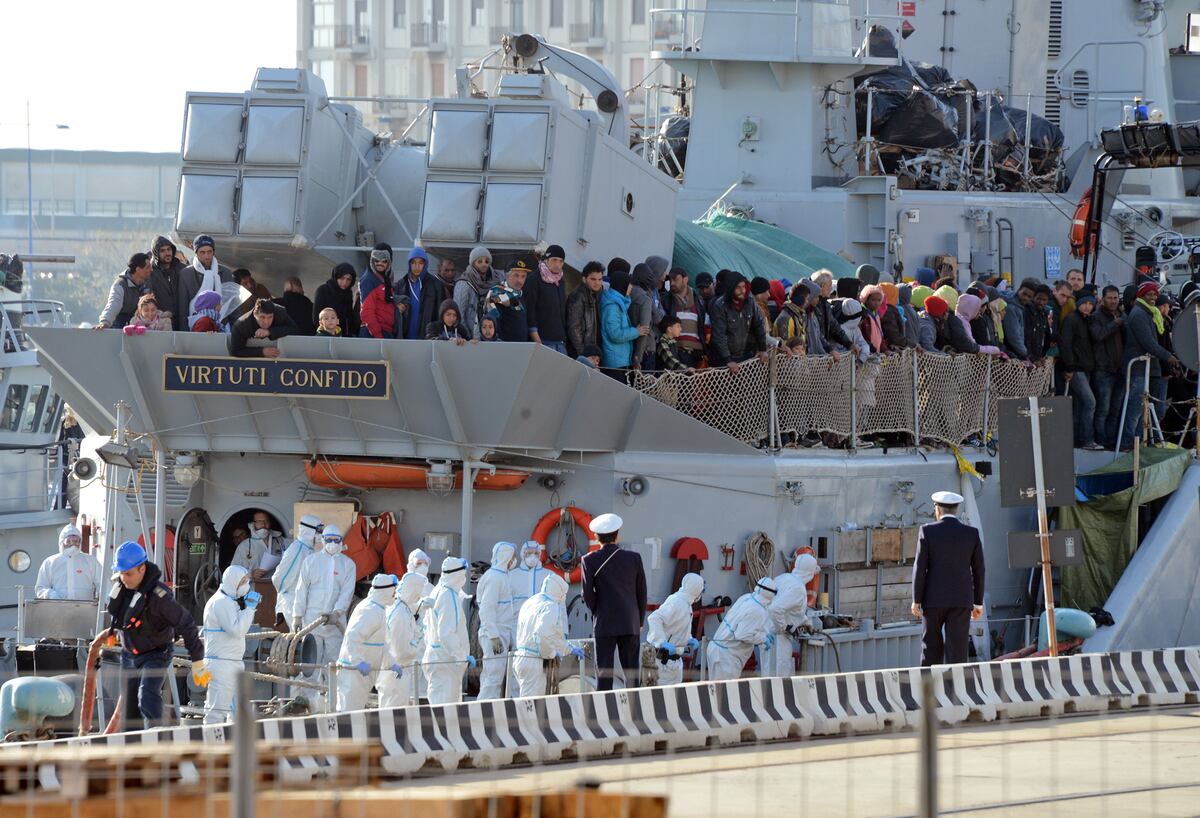
The headlines are screaming about a humiliating retreat. They tell you that Estonia, a NATO member and digital powerhouse, folded like a cheap suit when faced with a few rusted Russian tankers and a vague threat of naval escalation. They want you to believe the "shadow fleet"—that ragtag assembly of uninsured, ancient oil vessels—just won a tactical victory in the Baltic Sea.
They are dead wrong.
What the mainstream media interprets as a failure of nerve is actually a masterclass in strategic restraint. Boarding a ship is easy. Managing the environmental, legal, and geopolitical fallout of a deliberate oil spill in your own backyard is impossible. Estonia didn't "fail" to board these ships. They refused to fall into a trap designed to bankrupt their coastline and paralyze their courts for a decade.
The Myth of the "Deterred" Navy
The narrative currently circulating suggests that the Russian Navy parked a few warships near the "shadow fleet" and the Estonians ran away. This assumes the Baltic Sea is a boxing ring where the biggest muscles win. It isn't. It’s a legal minefield.
When we talk about the shadow fleet, we are talking about vessels that operate in a gray zone. They use "flags of convenience"—think Gabon, Cook Islands, or Palau. They carry expired insurance or "protection and indemnity" (P&I) clubs that don't actually exist.
If Estonia boards a ship in international waters or even its Exclusive Economic Zone (EEZ) without a crystal-clear violation of UNCLOS (United Nations Convention on the Law of the Sea), they become the aggressor. Russia isn't hoping to start a shooting war over a 25-year-old Aframax tanker. They are hoping for a legal pretext to claim that NATO is "pirating" commercial cargo.
I have spent years watching maritime disputes turn into trillion-dollar stalemates. You don't win by boarding. You win by making the ship too expensive to operate. The "deterrence" wasn't Russian steel; it was the realization that seizing a ship full of 700,000 barrels of Urals crude is a liability, not an asset.
The Ecological Suicide Trap
Let’s look at the math of a disaster. A standard shadow fleet tanker is a floating ecological time bomb. Many lack double hulls. Most haven't seen a reputable dry dock in five years.
Imagine a scenario where Estonian special forces board a vessel. In the chaos, or through deliberate sabotage by a "ghost" crew, a valve is opened. Or, during a forced diversion to a port, the aging hull cracks.
- The Cleanup: You are looking at costs exceeding $2 billion.
- The Liability: Since the ship is "uninsured" and owned by a shell company in Dubai with $100 in its bank account, Estonia foots the bill.
- The Optics: Russia spends the next six months on RT showing oil-slicked birds and blaming "clumsy NATO interference" for destroying the Baltic ecosystem.
By "backing down," Estonia effectively handed the hot potato back to the Kremlin. They signaled that they won't provide Russia with the "environmental accident" they need to justify a larger military presence in the Gulf of Finland.
The Sanctions Delusion
Western analysts love to talk about the "price cap." They think that if we just pass enough regulations, the shadow fleet will vanish. It’s a fantasy.
The shadow fleet exists because the world still buys Russian oil. India, China, and even some European intermediaries through complex ship-to-ship (STS) transfers are keeping the lights on.
The bottleneck isn't the boarding of ships. It’s the maritime infrastructure. We focus on the hulls when we should be focusing on the paper.
Why Physical Interdiction is Obsolete:
- AIS Spoofing: These ships turn off their transponders or broadcast fake locations. Chasing them with a patrol boat is like playing Whac-A-Mole in the dark.
- The Insurance Gap: Without Western P&I clubs, there is no leverage. You can’t threaten to pull insurance that doesn't exist.
- The Sovereign Shadow: Many of these ships are effectively sovereign assets of the Russian state, even if they fly a Gabonese flag. Touching them is a direct challenge to a nuclear power over a cargo of sludge.
Digital Sovereignty vs. Naval Posturing
Estonia understands something the "board-them-now" crowd misses: power in 2026 is data, not just destroyers.
While the press focuses on the lack of boardings, Estonia is leading the charge in "Maritime Domain Awareness." They are using satellite synthetic aperture radar (SAR) and AI-driven behavioral analysis to track these vessels with surgical precision.
They aren't looking to stop one ship. They are building the evidentiary trail to blackball entire registries. If you can prove a specific flag state is consistently harboring "environmental hazards," you can move to have that registry sanctioned globally. That hurts Russia far more than a skirmish on a deck.
The Cost of "Winning"
If you want to stop the shadow fleet tomorrow, there is a way. You declare a total maritime blockade of the Danish Straits. You stop every ship. You check every paper.
But here is the price:
- Global oil prices jump to $150 a barrel.
- The Suez Canal becomes a secondary issue as the Baltic shuts down.
- Germany’s remaining industrial base collapses under energy costs.
Estonia is being smart. They are refusing to be the trigger for a global economic depression just to satisfy a "strongman" optic. They are letting the shadow fleet rot from the inside. These ships are poorly maintained. They will eventually break down on their own. When they do, the goal is to ensure the failure happens in Russian waters, under Russian liability.
Stop Asking if They Should Board
The question "Why didn't Estonia board the ship?" is the wrong question. It’s a question for a 20th-century strategist who thinks in terms of territory and flags.
The real question is: "How do we make the shadow fleet's business model insolvent?"
The answer isn't guns. It’s the secondary sanctioning of the shadow ports and the bunkering hubs. It’s the aggressive pursuit of the "ghost" managers in the UAE and Hong Kong.
Estonia didn't blink. They just realized that when your opponent is holding a grenade with the pin pulled, the smartest move is to step out of the room and let them hold it until their hand gets tired.
Russia's navy didn't win a victory. They were forced to babysit a fleet of garbage scows because no one else is willing to risk the liability. The Kremlin is now the primary insurer of its own junk. That isn't a position of strength. It's a desperate attempt to keep a dying revenue stream alive while the rest of the world builds a digital fence around them.
The Baltic isn't a Russian lake. It's a high-tech trap, and Moscow just walked right in, thinking they owned the place because nobody tried to kick them out. They’re stuck with the bill, the rust, and the risk.
Let them keep their shadows. The light is coming, and it’s being shone from a courtroom in Tallinn, not the deck of a frigate.