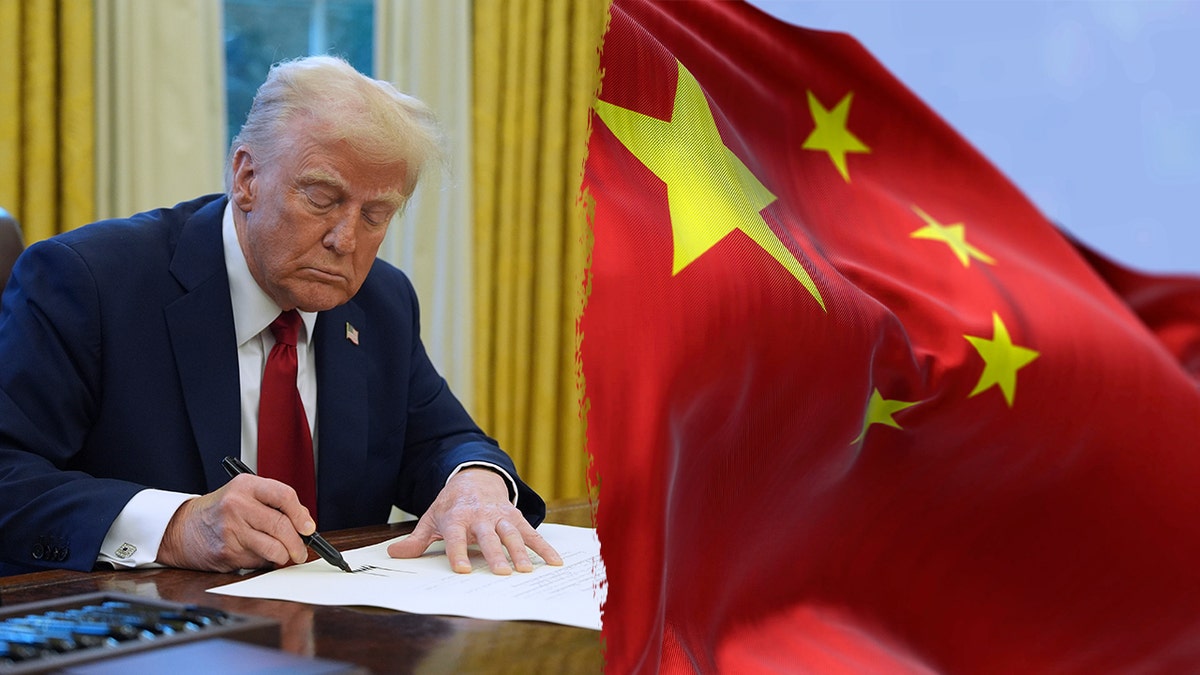
The mass return of over 10,000 Chinese citizens from the Middle East is not just a logistical feat. It is a loud, structural alarm bell for the Belt and Road Initiative. While state media frames these evacuations as a triumph of consular protection and "people-first" diplomacy, the reality on the ground is far more sobering. Thousands of engineers, laborers, and entrepreneurs are abandoning critical infrastructure projects and trade hubs as regional instability crosses a threshold that Beijing’s "non-interference" policy can no longer bridge. This sudden exodus signals a painful contraction in China's secondary global footprint, forcing a hard rethink of how—and if—private and state-owned enterprises can survive in high-risk zones.
The Cracks in the Belt and Road Blueprint
For a decade, the Middle East served as a primary theatre for Chinese expansion. It was a region where capital met a desperate need for infrastructure. However, the recent escalation of conflict has turned these strategic assets into liabilities. When we talk about 10,000 people coming home, we are talking about the suspension of power plants, the freezing of port expansions, and the collapse of supply chains that were supposed to link the Pearl River Delta to the Mediterranean.
Beijing has long operated on the assumption that economic development acts as a universal solvent for political and religious friction. They believed that if you build enough bridges and laying enough fiber-optic cable, the inherent instability of the region would settle. They were wrong. The current war has shown that economic incentives are no match for historical grievances and kinetic warfare. The workers returning to Fuzhou and Henan aren’t just escaping bombs; they are leaving behind a failed hypothesis of "peace through development."
The Private Sector Panic
While the state-owned enterprises (SOEs) have the luxury of government-chartered flights and sovereign guarantees, the private Chinese entrepreneurs are the ones truly bleeding. These are the "dragon traders" who set up shop in Dubai, Riyadh, and Amman. They sold electronics, textiles, and machinery. They were the connective tissue of the Chinese diaspora.
Unlike the SOE workers, these individuals often have their entire life savings tied up in local inventory and real estate. Their return to China is not a temporary relocation. It is a bankruptcy. Many are returning to a domestic Chinese economy that is already struggling with deflation and a saturated job market. The psychological impact of this retreat is profound. It marks the end of the "gold rush" era for Chinese small-business owners looking for greener pastures abroad.
Security is No Longer a Soft Power Game
The "why" behind this mass exodus is found in the limitations of China’s military posture. For years, China relied on the security umbrella provided by the United States and its allies to protect the very shipping lanes and oil fields that fueled China’s rise. As that umbrella tears and China remains hesitant to project hard power, their citizens are left exposed.
China’s overseas security firms—the equivalent of private military contractors—are legally restricted in their use of lethal force. They are essentially high-end mall security in a combat zone. When the missiles start flying, these contractors have no choice but to recommend immediate evacuation. This creates a credibility gap. If China cannot protect its workers without calling for a total retreat, its status as a "guarantor" of regional stability is nonexistent.
The Economic Ripples in the Mainland
The sudden influx of 10,000 returnees creates an immediate pressure point on provincial governments. These people need jobs, healthcare, and schooling for their children. More importantly, the capital flight associated with abandoned Middle Eastern projects will hit the balance sheets of Chinese banks.
Most of these projects are funded by the China Development Bank or the Export-Import Bank of China. When a project stops, the interest payments stop. We are looking at a looming wave of non-performing loans (NPLs) tied to overseas construction. The "hidden debt" of the Belt and Road is about to become very visible. This isn't just a story about people on planes; it's a story about red ink on a ledger in Beijing.
The Myth of Neutrality
China’s refusal to take a hard side in Middle Eastern conflicts was once seen as a diplomatic masterstroke. It allowed them to buy oil from Iran and Saudi Arabia simultaneously while building infrastructure in Israel and Iraq. That neutrality is now an anchor.
By not intervening, China loses the ability to influence the outcome that would protect its investments. The 10,000 citizens returning home are the collateral damage of a foreign policy that prefers to watch from the sidelines. As the regional war expands, the cost of this "neutrality" rises. Every chartered flight back to Shanghai is a quiet admission that money cannot buy safety in a vacuum of power.
The Shift to Low-Risk Geography
We are seeing the beginning of a massive geographic pivot. Expect to see Chinese investment and personnel flow out of the Levant and parts of the Gulf and into "safer" regions like Southeast Asia or Central Asia. The Middle East is becoming too expensive, not in terms of dollars, but in terms of political risk and human capital.
This retreat will leave a vacuum. If Chinese firms pull out of major infrastructure projects, who steps in? The West is currently preoccupied, and local governments lack the liquidity. The result is a stalled region, which only feeds back into the cycle of instability that caused the Chinese to leave in the first place.
The Logistics of a Retreat
Moving 10,000 people across borders in a theater of war is a nightmare. It requires coordination with multiple hostile actors, securing airspace, and managing the sheer volume of documentation. The fact that China can do this efficiently is a testament to their organizational capacity, but it also reveals their priority. They would rather evacuate than escalate.
This preference for evacuation over engagement tells us everything we need to know about the next decade of Chinese foreign policy. They will protect their people, but they will not defend their projects with force. For any country looking to partner with China on long-term infrastructure, this is a critical data point. If things get ugly, the Chinese will leave. They will leave quickly, and they will leave you with a half-finished bridge and a mountain of debt.
Re-integration Challenges
The 10,000 returnees aren't entering a welcoming economy. China’s youth unemployment remains a sensitive topic, and the arrival of thousands of mid-career professionals and laborers adds to the fire. These returnees often have specialized skills—large-scale desert construction, cross-border logistics, Middle Eastern trade law—that don't necessarily translate to the domestic market.
The government is scrambled to provide "re-employment seminars" and tax breaks for companies that hire returnees, but these are band-aids. The real issue is the loss of the "vent" that the Middle East provided for Chinese excess capacity. For twenty years, China exported its overproduction of steel, cement, and labor to the world. With the Middle East closing its doors due to war, that excess has nowhere to go but back home, further depressing prices and wages inside China.
The End of Overseas Optimism
There is a palpable change in the zeitgeist among the Chinese middle class. The idea of the "overseas adventure" is dying. A few years ago, a job in an oil field in Iraq or a tech startup in Riyadh was seen as a fast track to wealth. Today, it is seen as a dangerous gamble.
The stories coming back from the 10,000 are not stories of triumph. They are stories of frantic phone calls to embassies, abandoned apartments, and the sound of anti-aircraft fire. This narrative will circulate on WeChat and Douyin, reaching every corner of the country. It will dampen the appetite for future international ventures, leading to a more insular, risk-averse China.
Strategic Infrastructure at a Standstill
It’s important to look at the specific projects being abandoned. We aren't just talking about grocery stores. We are talking about critical nodes in the Global Maritime Silk Road.
- Port Facilities: Strategic berths that were meant to give China a permanent logistical footprint.
- Energy Pipelines: Routes intended to bypass the Malacca Strait.
- Telecommunications: 5G networks that were supposed to form the backbone of a new regional internet.
When the personnel leave, the maintenance stops. In the harsh climates of the Middle East, a year of neglect can cause irreversible damage to sensitive high-tech hardware and industrial machinery. The "rusting of the Silk Road" is a very real possibility.
The Future of Consular Protection
The sheer scale of these evacuations will force China to expand its "Blue Helmet" and private security sectors. If they want to continue their global expansion, they can no longer rely on the US to keep the peace. They will have to build their own security architecture, which contradicts decades of their non-interventionist rhetoric.
The 10,000 returnees are the physical manifestation of a policy gap. Beijing is now in a race to fill that gap. If they can’t, the Middle East will go from being China’s "energy heart" to its "investment graveyard."
The real reason this mass evacuation is occurring isn't just the war; it's the fundamental realization that economic interdependence is not a shield. China’s "soft power" approach has reached its geographic and military limits. As the last flights land in Beijing, they carry more than just tired workers. They carry the broken pieces of a global strategy that promised safety through commerce.
The Middle East has always been a place where empires go to learn their limits. China is learning its limits in real-time. The 10,000 who returned are the lucky ones; the hundreds of billions of dollars in sunk costs and the decade of diplomatic work they left behind are another story entirely.
Beijing's next move isn't about re-entry; it's about containment of the domestic fallout. They are no longer building a new world; they are trying to keep the old one from collapsing on their own doorstep.