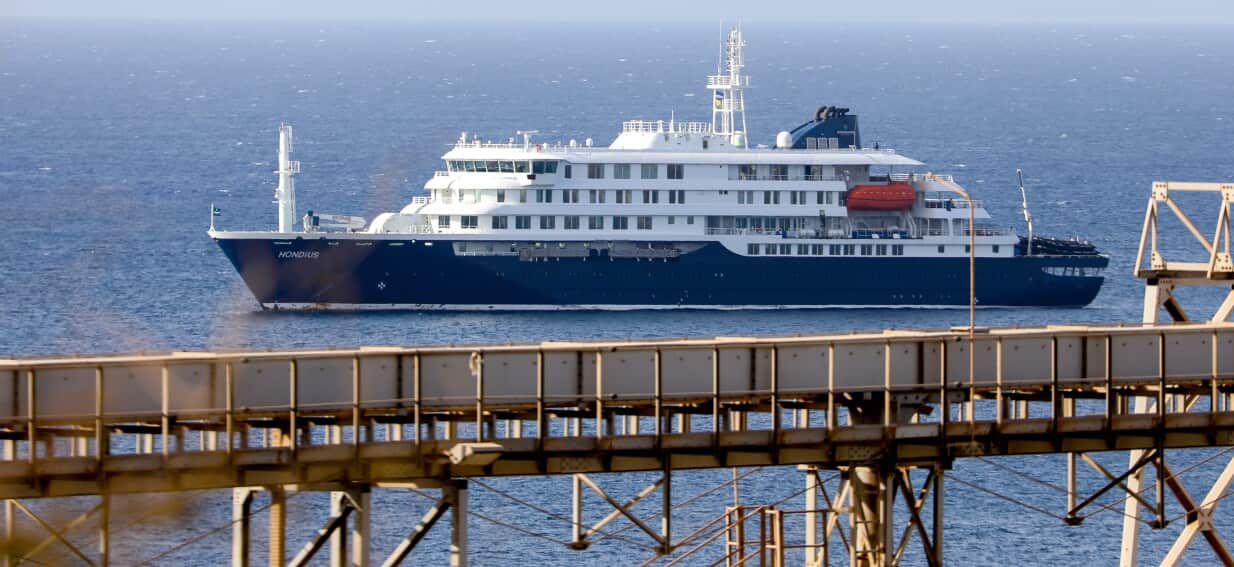
Cruise ships are usually synonymous with buffet lines and sunset decks, not rare respiratory killers. But right now, the MV Hondius is sitting off the coast of Cape Verde like a floating ghost story. A British crew member is being "urgently" evacuated, and for anyone who thinks this is just another case of the cruise-ship flu, you're dead wrong.
Three people have already died. Seven cases are confirmed or suspected. The World Health Organization (WHO) is currently investigating something that keeps epidemiologists awake at night: human-to-human transmission of hantavirus.
The Race to Save a British Crew Member
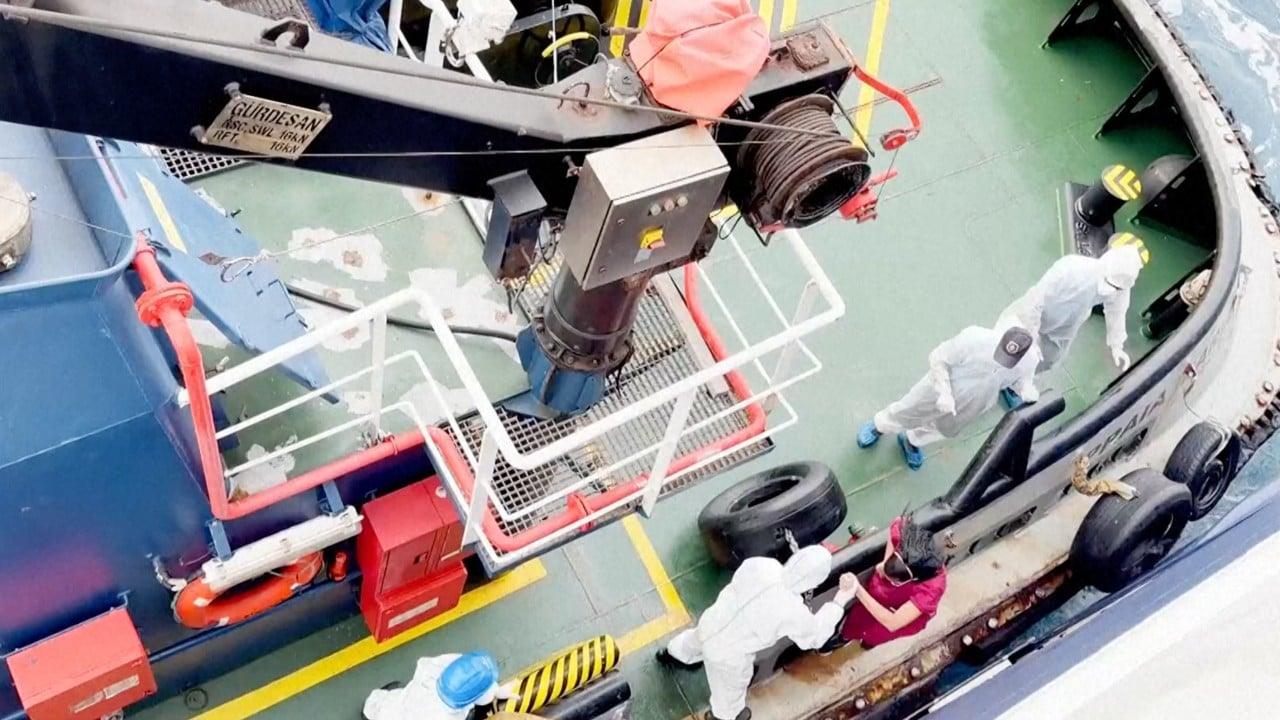
The situation on the MV Hondius shifted from "concerning" to "critical" when a British crew member and a Dutch colleague began showing severe respiratory distress. They aren't just feeling under the weather. They’re experiencing the rapid onset of pulmonary failure, a hallmark of the "New World" hantaviruses often found in South America.
Dutch authorities and the WHO are coordinating a high-stakes medical extraction to move these two to the Netherlands for specialized ICU care. It’s a logistical nightmare. You can't just fly a hantavirus patient on a commercial jet; the containment protocols are intense. Meanwhile, a 69-year-old British passenger is already fighting for his life in an intensive care unit in Johannesburg after being evacuated earlier in the trip.
Why This Isn't Your Typical Outbreak
Hantavirus is usually a "wrong place, wrong time" disease. You breathe in dust contaminated with rodent urine or droppings, and a few weeks later, your lungs start filling with fluid. It’s nasty, but it’s historically been a dead-end for the virus. It doesn't usually jump from person to person.
That’s why the MV Hondius is a massive red flag. Maria Van Kerkhove from the WHO pointed out something chilling: they believe the virus might be spreading between "really close contacts" on board. We're talking about cabin mates and couples. If this is confirmed as the Andes virus strain—the only known hantavirus that can jump between humans—the rules of the game change.
The Timeline of a Tragedy
- April 1: The ship leaves Ushuaia, Argentina.
- April 11: The first death occurs—a 70-year-old Dutch man.
- April 25: His wife, who stayed with him, falls ill during a flight to South Africa.
- April 26: She dies shortly after landing.
- May 2: A German national dies on board.
- May 5: Urgent evacuation ordered for the British crew member.
The Rodent Mystery
Here’s the kicker: the ship’s operator, Oceanwide Expeditions, says there are no rats on board. If there are no rodents and people are still getting sick weeks after leaving land, the human-to-human theory becomes the only logical explanation.
The incubation period for hantavirus is anywhere from one to six weeks. That makes it incredibly hard to track. You could be infected in a dusty shed in Argentina, board a ship, and not feel a thing until you’re halfway across the Atlantic. By then, anyone sharing your 150-square-foot cabin has been breathing the same air for days.
What This Means for Cruise Safety
I’ve seen how cruise lines handle outbreaks. Usually, it’s a lot of hand sanitizer and "wash your hands" posters. That won't cut it here. Spain has agreed to let the ship dock in the Canary Islands in a few days, but only under strict medical supervision.
The mortality rate for hantavirus pulmonary syndrome can hit 50%. Compare that to the early days of COVID-19 or even a bad flu season. It’s not even in the same league. We're talking about a virus that essentially turns your own immune system against your lungs, causing them to leak fluid until you can't breathe.
What You Should Do If You're Traveling
If you're planning a trip to South America or an expedition cruise, don't panic, but start paying attention. This isn't a reason to cancel your life, but it is a reason to change how you interact with the environment in high-risk areas.
- Skip the "authentic" dusty spots: If you’re hiking in rural Argentina or Chile, stay away from old, unventilated sheds or cabins. That’s where the long-tailed pygmy rice rat—the primary carrier—hangs out.
- Monitor your "flu": If you develop a fever, muscle aches, and shortness of breath after a trip to these regions, tell your doctor exactly where you’ve been. Don't let them dismiss it as a cold.
- Trust the protocols: If you’re on a ship and they tell you to stay in your cabin for disinfection, do it. The MV Hondius crew is currently doing active symptom monitoring for 45 days. It's boring, but it's what keeps the body count from climbing.
The MV Hondius is heading to the Canary Islands for a total disembarkation and deep clean. The British nationals on board are being supported by FCDO consular teams, but the real work is happening in the labs. Once we get the genomic sequencing back from the South African researchers, we'll know if we’re looking at a standard outbreak or a significant shift in how this virus behaves. For now, the focus is on getting that crew member to a bed with a ventilator and hoping the isolation measures held.