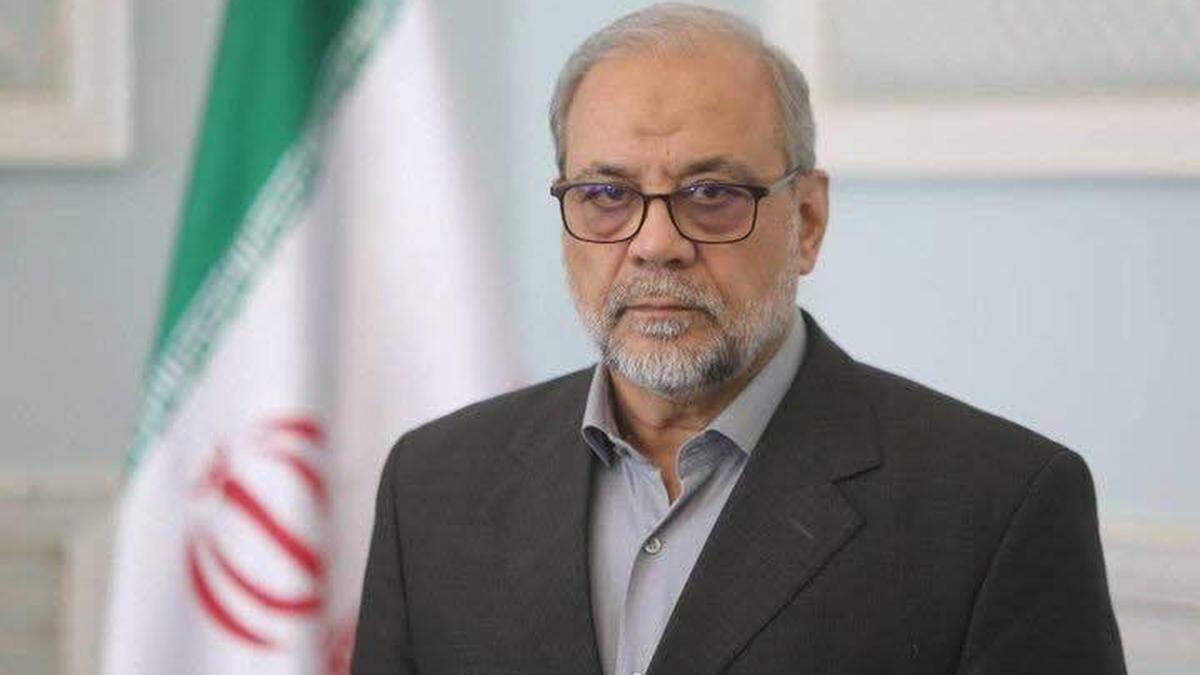
The appointment of Mohhammad Baqer Zolqadr as the Secretary of Iran’s Supreme National Security Council (SNSC) is not a mere personnel shift. It is a structural fortification. By placing a veteran Islamic Revolutionary Guard Corps (IRGC) strategist at the helm of the country’s highest security body, Tehran has signaled an end to the era of "flexible" diplomacy. Zolqadr represents the physical embodiment of the Deep State’s triumph over the bureaucratic state.
For years, the SNSC served as a bridge between the ideological mandates of the Supreme Leader and the pragmatic requirements of the foreign ministry. That bridge has been dismantled. Zolqadr’s arrival marks the total integration of the IRGC’s command structure into the civilian decision-making apparatus. This move ensures that every facet of Iranian policy—from nuclear negotiations to regional proxy management—is filtered through a strictly military lens.
The Architect of Domestic Stability
To understand why Zolqadr was chosen, one must look at his history within the Basij and the IRGC’s intelligence wings. He is widely regarded as an expert in internal security and the suppression of dissent. His previous roles within the Ministry of Interior were defined by a "security-first" doctrine that prioritized the survival of the clerical establishment above all else.
In the wake of repeated waves of domestic unrest, the Iranian leadership has grown weary of traditional politicians who might hesitate during a crisis. Zolqadr does not hesitate. He is a man who views social movements as unconventional warfare. By placing him in charge of national security, Supreme Leader Ali Khamenei is ensuring that the state’s response to future protests will be coordinated with surgical, military precision.
The strategy is clear. Security is no longer just about defending borders; it is about defending the regime from its own citizens. Zolqadr’s expertise in "soft war" and psychological operations makes him the ideal candidate to oversee a more sophisticated, high-tech crackdown on digital and physical dissent.
Dismantling the Shadow of Reform
The SNSC has historically been a place where different factions of the Iranian elite could clash and eventually find a consensus. Under figures like Ali Shamkhani, there was at least a veneer of traditional statecraft. There was a sense that Iran could play the "good cop, bad cop" routine with the West, using the SNSC as the venue for backdoor channels.
Zolqadr’s appointment kills that illusion. He is a staunch critic of Western influence and has spent decades building the infrastructure that allows Iran to bypass international sanctions. His worldview is shaped by the concept of the "Resistance Economy," a system where the IRGC controls the lion’s share of the national wealth to insulate the country from external pressure.
This transition suggests that Tehran has reached a definitive conclusion. They no longer believe that a grand bargain with the United States or Europe is possible or even desirable. Instead, they are doubling down on a "Look to the East" policy, strengthening ties with Moscow and Beijing while hardening their stance on the regional stage.
A New Era for Regional Proxies
While the world watches the nuclear program, the real shift under Zolqadr will be felt in the "Grey Zone" of Middle Eastern politics. As a former high-ranking commander, Zolqadr has intimate ties to the Quds Force and the various militias operating across Iraq, Syria, and Lebanon.
Under his leadership, the SNSC will likely move toward a more aggressive integration of these proxy forces into Iran’s formal defense strategy. We should expect to see:
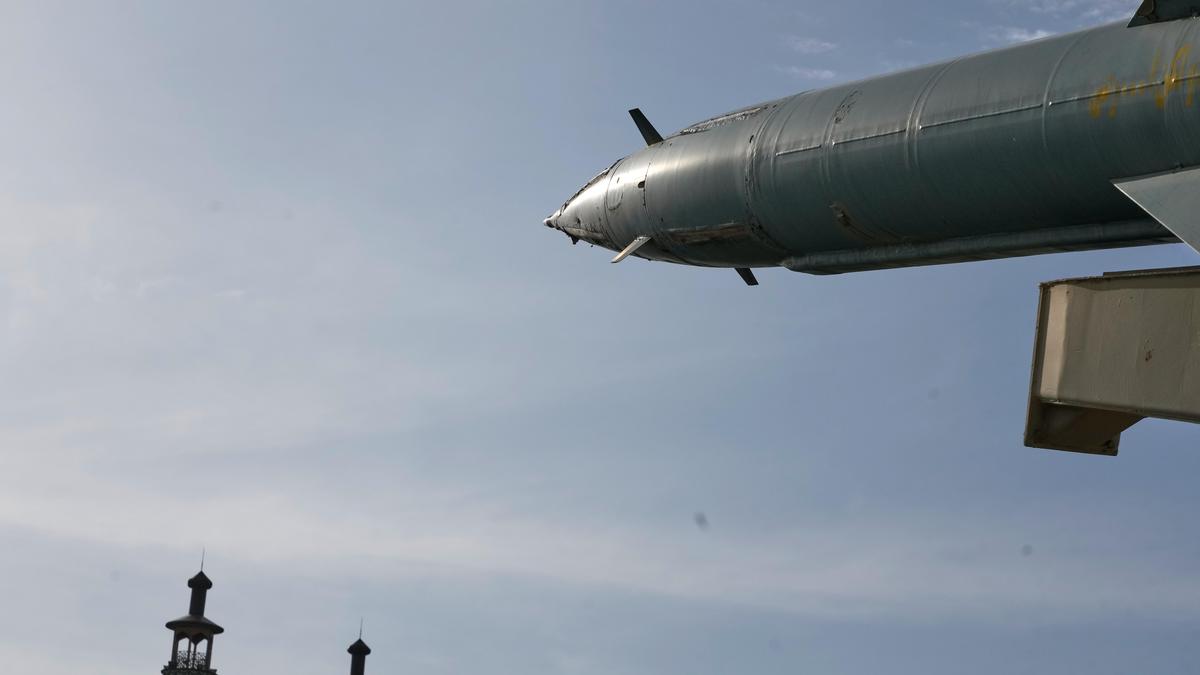
- Enhanced Missile Proliferation: A focus on transferring sophisticated drone and missile technology to non-state actors.
- Intelligence Synchronization: Better coordination between the IRGC Intelligence Organization and the Ministry of Intelligence, ending years of institutional rivalry.
- Maritime Assertiveness: Utilizing the IRGC Navy to project power in the Persian Gulf and the Red Sea as a direct counter to Western naval presence.
This is not the behavior of a state seeking de-escalation. It is the behavior of a state preparing for a long-term, high-intensity competition.
The Economic Integration of the IRGC
One of the most overlooked aspects of Zolqadr’s rise is his ability to manage the intersection of security and finance. The IRGC is not just a military; it is a multi-billion-dollar conglomerate. It owns construction companies, telecommunications firms, and banks.
Zolqadr’s role at the SNSC will allow him to streamline the flow of state resources into IRGC-controlled projects. By labeling these economic activities as "national security priorities," he can shield them from what little oversight remains in the Iranian parliament. This further hollows out the private sector and ensures that the only way to do business in Iran is through the military elite.
The Geopolitical Ripple Effect
For the international community, the message is unambiguous. Negotiations will now be handled by a man who views diplomacy as a tactic of war. If Western powers expected a return to the 2015 nuclear deal (JCPOA) under a more traditional framework, they have been proven wrong.
Zolqadr’s tenure will likely be characterized by a "Maximum Pressure" campaign of his own. He understands that the West is currently distracted by conflicts in Europe and shifting domestic priorities. He will likely use this window to push the boundaries of Iran’s nuclear enrichment and regional influence, betting that the cost of a military intervention remains too high for Washington.
The appointment also serves as a signal to Russia and China. It tells them that Iran is now governed by a unified, military-led command that is ready to commit to a long-term anti-Western alliance. There will be no more flip-flopping or internal debates about whether to align with the East or the West. The choice has been made.
Structural Changes at the SNSC
We are likely to see a significant "cleansing" of the SNSC staff. Middle-level bureaucrats who were seen as too pragmatic or too closely tied to the previous administration are being replaced by IRGC officers. This is a total takeover of the administrative state.
This transformation changes the very nature of how intelligence is processed. When the analysts reporting to the Secretary are the same people executing the operations in the field, the feedback loop becomes closed. This often leads to a "groupthink" environment where dissenting opinions are viewed as treason. While this makes for a more efficient execution of policy, it also makes the regime more prone to miscalculating the international response to its actions.
The Succession Question
Beyond the immediate policy shifts, Zolqadr’s appointment has major implications for the eventual succession of the Supreme Leader. The SNSC plays a critical role in the transition of power. By ensuring the Council is controlled by an IRGC loyalist, the military has effectively guaranteed itself a seat at the table—or perhaps the entire table—when the time comes to choose Khamenei’s successor.
The military is no longer just the "guardian" of the revolution. It is the revolution. Zolqadr is the man tasked with ensuring that the transition, when it happens, results in a leader who is as committed to the IRGC’s dominance as he is.
The Risks of a Purely Military Doctrine
There is a danger in this level of consolidation. By removing the "safety valves" of diplomatic debate and political compromise, the Iranian state has become more brittle. A military mindset is excellent for responding to immediate threats, but it is often poorly suited for managing complex social and economic crises that require nuance and concession.
If the IRGC’s only tool is a hammer, every problem—from water shortages to currency devaluation—starts to look like a nail. This increases the likelihood of a catastrophic policy failure. If Zolqadr overplays his hand in the region or misjudges the boiling point of the Iranian public, he will have no one else to blame. The civilian government has been sidelined; the military now owns the failures as well as the successes.
The world must stop viewing Iranian politics as a struggle between "moderates" and "hardliners." That battle is over. The current reality is a struggle between different shades of the military elite, with Mohhammad Baqer Zolqadr standing as the most potent symbol of this new, uncompromising era.
Monitor the "Special Committees" within the SNSC over the next six months. These sub-groups, often hidden from public view, will be where Zolqadr reshapes the actual mechanics of Iranian power. If these committees begin to take over the functions of the Central Bank or the Ministry of Petroleum, the transformation of Iran into a true praetorian state will be complete.
Watch the borders, but keep a closer eye on the boardrooms in Tehran.