What happened at the Limpopo River wasn't just a freak accident. It was a brutal reminder that the line between a weekend adventure and a fatal encounter with a prehistoric predator is thinner than most people realize. When news broke that 15-foot crocodile remains contained the body of a missing South African businessman, the headlines focused on the shock. But if you spend any time in the bush, you know this story is about more than just bad luck. It's about a failure to respect the apex predator of the African waterways.
The victim, 43-year-old Sean Flynn, went missing during a fishing trip near the Zimbabwe border. Search teams spent days scouring the muddy banks and thick reeds. They found his boat. They found his gear. They didn't find him—at least not at first. Local trackers and wildlife experts knew exactly what had likely happened. In this part of the world, the Nile crocodile is king. It doesn't hunt out of spite. It hunts because it’s a biological machine designed for one thing: ambush.
Why the Limpopo River is a Death Trap
The Limpopo isn't a swimming pool. It’s a complex ecosystem where the water is often opaque and the banks are steep. For a crocodile, this is the perfect hunting ground. These reptiles don't always stay submerged in the middle of the river. They wait in the shallows, often in water so shallow you’d think a lizard couldn't hide there, let alone a 1,000-pound beast.
Most people assume they’ll see a crocodile coming. You won't. A Nile crocodile can remain perfectly still for hours, with only its nostrils and eyes above the surface. Sometimes, even those are tucked away. When they strike, it’s a burst of power that defies their bulky appearance. They can launch themselves nearly half their body length out of the water in a split second. If you're standing on the bank or leaning over the side of a small craft, you're already in the strike zone.
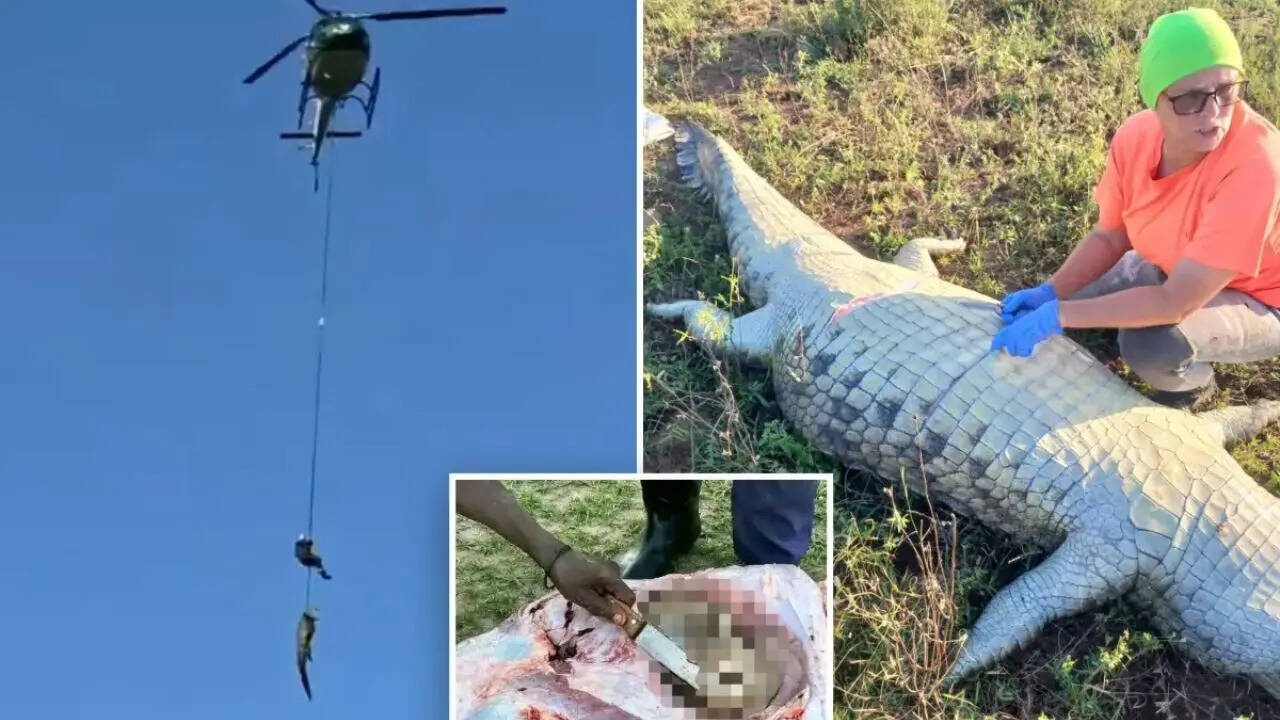
Wildlife rangers eventually identified a massive crocodile in the vicinity that was acting "territorial." In these cases, authorities often make the grim decision to cull the animal to check its stomach contents. It’s a gut-wrenching process for everyone involved. When they opened the 15-foot male, they confirmed the worst. Flynn’s remains were inside.
The Myth of the Safe Bank
There’s a dangerous misconception among tourists and even some locals that stayin' a few feet back from the water's edge keeps you safe. It doesn’t. Crocodiles are known to "scout" regular visitors. If you fish in the same spot every day at 4:00 PM, the crocodile knows. It’s watching. It learns your patterns.
Nile crocodiles are far more aggressive than their American alligator cousins. While an alligator might hiss and retreat if stumbled upon, a Nile crocodile often chooses violence. They view anything near the water as a meal. This includes livestock, lions, and yes, humans. They have the strongest bite force ever measured in the animal kingdom—roughly 3,700 pounds per square inch. Once those jaws lock, the "death roll" begins. It’s a spinning maneuver designed to drown the prey and dismember it simultaneously. Survival at that point is almost zero.
How Search and Recovery Works in the Wild
When someone goes missing near a river in South Africa, the protocol is specific. First, they look for "drag marks" on the bank. If a crocodile grabs a person, there’s usually a clear trail where the body was pulled into the water. If the water is deep, divers are rarely sent in immediately because the risk of a secondary attack is too high.
Instead, they use drones and spotters. In Flynn’s case, the community rallied, but the environment worked against them. The Limpopo is silty. Visibility is trash. Recovery becomes a game of monitoring the local crocodile population. Rangers look for animals that aren't behaving normally or those that stay in one small area for too long.
The decision to kill a large, breeding-age crocodile is never taken lightly by South African National Parks (SANParks) or local conservationists. These animals are vital to the river's health. They keep catfish populations in check and clean up carcasses. But when a human life is taken, the animal is usually destroyed to prevent it from becoming a habitual man-eater.
Fatal Mistakes You Need to Avoid
People think they can outrun a crocodile on land. While they can move fast in short bursts—up to 11 mph—they aren't going to chase you down a track. The danger is the first five feet from the water.
If you're traveling or living in crocodile country, stop doing these things:
- Filling buckets of water directly from the river.
- Cleaning fish at the water’s edge (the blood is a dinner bell).
- Standing still on a bank for more than a few minutes.
- Assuming "clear" water means "empty" water.
I've seen people wash their hands in the Zambezi or the Limpopo like they're at a kitchen sink. It's madness. You're basically baiting a hook with your own limbs. The local communities often have "croc fences" or designated safe zones for a reason. Use them.
The Hard Truth About Coexistence
We like to think we’ve conquered nature. We haven't. We just share space with it until it reminds us who’s actually in charge. Sean Flynn’s death was a tragedy that devastated a family and a community, but it shouldn't be treated as a "monster movie" script. It’s a biological reality.
As human populations expand and we push further into these wild spaces for recreation and industry, these encounters will happen more often. We have to change our behavior because the crocodiles won't change theirs. They've stayed the same for millions of years for a reason. They're perfect at what they do.
If you find yourself in a situation where you're near these waterways, keep your eyes on the bank, not the horizon. If you see a crocodile, don't take a selfie. Move back. Way back. Your life is worth more than a photo or a catch of the day. Stay out of the tall grass near the bank and never, ever assume the water is shallow enough to be safe. That's exactly where they want you. Be smart. Stay back. Live to tell the story instead of becoming part of it.
Next Steps for Safety
Check local wildlife advisories before entering any South African river system. If you see a large crocodile near a public access point, report it to the nearest ranger station immediately. Don't try to scare it off yourself. Carry a long stick to probe the ground ahead of you if you must be near the water, but honestly, your best bet is staying at least ten feet from the shoreline at all times.