Meghan Markle is returning to Australia, but the optics have shifted from royal diplomacy to a high-stakes commercial venture. The Duchess of Sussex is slated to headline a "girls’ weekend" in a move that bridges the gap between celebrity influence and luxury lifestyle branding. With tickets priced at £1,400, the event serves as a litmus test for the Archetypes brand in a post-royal world. This isn't just a speaking engagement. It is a strategic deployment of her personal brand in a territory that has historically been both a peak and a valley for the Sussexes.
The price tag alone has triggered a predictable wave of scrutiny. However, to view this merely as an expensive ticket is to miss the broader business strategy at play. Meghan is no longer operating under the constraints of the Sovereign Grant. She is now a private entity competing in the attention economy, and she is pricing herself as a luxury good.
The Monetization of the Sussex Aura
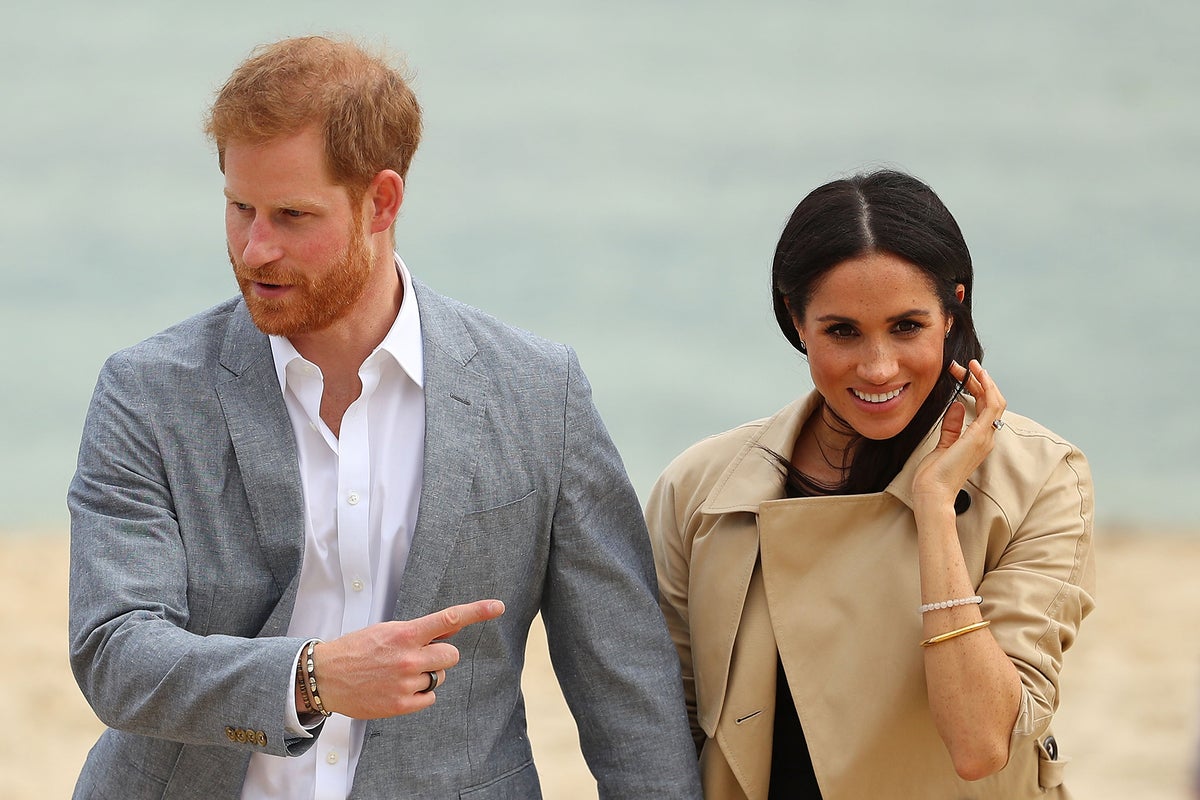
When the Duke and Duchess of Sussex toured Australia in 2018, they were the crown jewels of the monarchy. Crowds were massive. The energy was electric. Fast forward to the present, and the "Sussex Effect" is being packaged into a boutique experience. By charging four figures for access, the organizers are pivoting away from the masses and toward a high-net-worth demographic.
This transition from public figure to premium product is fraught with risk. In the world of luxury branding, exclusivity is the primary driver of value. If everyone can attend, the brand is diluted. If only a few can afford it, the brand becomes aspirational. Meghan is betting that her presence still carries enough "royal dust" to justify a price point that rivals a week’s wages for the average Australian worker.
The revenue model here is simple but aggressive. At £1,400 per person, a room of 500 attendees generates £700,000 in gross revenue before sponsorships and merchandise are even factored in. This is the new reality of the Sussex business plan: fewer appearances, higher yields, and total control over the environment.
Why Australia Matters for the New Narrative
Australia occupies a unique space in the Meghan Markle timeline. It was the site of her first major international success as a royal, but also, according to Prince Harry’s memoir Spare, a source of internal palace tension. Returning there is a power move. It signals that she is reclaimining a territory where she once felt vulnerable, but doing so on her own financial terms.
The choice of a "girls’ weekend" format is also a calculated maneuver. It aligns perfectly with the themes of female empowerment and community that she explored in her podcast. By framing the event as a luxury retreat, she avoids the coldness of a corporate keynote while maintaining the distance required of a global icon.
The Logistics of a Celebrity Gold Rush
Organizing an event of this scale in Australia involves a complex web of security, luxury hospitality, and PR management. The local market is notoriously fickle. Australians generally have a low tolerance for "tall poppies" or perceived pretension. For the event to succeed, it must balance the high price point with tangible value—whether that is through networking opportunities or the perceived intimacy of the setting.
- Security Overhead: High-profile events involving the Sussexes require six-figure security budgets.
- Venue Prestige: To justify £1,400, the location must be beyond reproach, likely a top-tier coastal resort.
- Target Audience: The "Executive Woman" and "Luxury Influencer" demographics are the primary targets.
The Fragile Economics of Influence
There is a growing gap between Meghan’s global fame and her domestic popularity in the Commonwealth. While American audiences often view her through a lens of activism and entertainment, Australian sentiment remains divided. The high ticket price risks alienating the general public, providing ammunition to critics who argue the couple has traded service for a lifestyle they can no longer afford without aggressive commercialization.
The business of being Meghan Markle requires constant overhead. Maintaining a Montecito estate, a private security team, and a staff of advisors costs millions annually. Speaking engagements are the quickest way to inject cash into the system. Unlike a Netflix deal or a book contract, which can take years to come to fruition, a live event provides an immediate payday.
The "girls’ weekend" model is also a hedge against the volatility of streaming platforms. Netflix and Spotify have tightened their belts. Original content is expensive and difficult to produce. Live appearances, by contrast, are high-margin and relatively low-effort for the talent involved. You show up, you speak, you leave.
The Competition for the Luxury Speaker Market
Meghan is entering a space already occupied by the likes of Gwyneth Paltrow and Michelle Obama. Paltrow’s "Goop" summits have paved the way for the wellness-to-wealth pipeline, charging thousands for a weekend of "optimization." To compete, Meghan must offer something more than just a speech. She must offer an identity.
The attendees aren't just paying for a seat. They are paying to be in the same room as a woman who successfully executed a "Great Escape" from one of the world's most rigid institutions. That narrative—the story of personal agency and the courage to walk away—is the true product being sold. Whether that product is worth £1,400 is a question only the Australian market can answer.
Comparing the Price Points
| Event Type | Typical Price Range | Target Demographic |
|---|---|---|
| Corporate Keynote | £500 - £800 | Mid-level managers |
| Luxury Wellness Retreat | £1,200 - £3,000 | HNWIs, Business owners |
| Meghan’s Australian Trip | £1,400 | The Sussex Core Fanbase/Elite |
The Risk of the "Pay-to-Play" Perception
The greatest threat to this Australian venture is the perception that the Sussexes are selling access. For a couple that has built their brand on "compassion in action," the move toward high-priced exclusivity creates a branding paradox. How do you remain a champion of the people while charging them a small fortune to hear you speak?
The optics are particularly sensitive in the current economic climate. Australia, like much of the world, is grappling with a cost-of-living crisis. Launching a £1,400-a-head event in this environment can appear tone-deaf, regardless of the quality of the content. This is the tightrope Meghan must walk: being a global luxury brand while maintaining the "common touch" that made her popular in the first place.
This Australian engagement is a trial run. If the tickets sell out and the press is manageable, expect a global rollout of similar "boutique" events. It is a transition from the "Royal Tour" to the "Revenue Tour." The goal is no longer to represent the Queen or the King, but to represent the House of Sussex.
The Strategic Silence
Notice what is missing from the promotional materials. There is no mention of the Royal Family. There is no reliance on titles in a way that would trigger a rebuke from Buckingham Palace. Meghan is leaning into her identity as a media mogul and lifestyle curator. This is a deliberate distancing. By establishing her own events circuit, she builds an ecosystem that is independent of her husband’s family.
The "girls' weekend" is an exercise in community building. In the digital age, physical presence has become the ultimate luxury. You can watch a TikTok for free, but you cannot buy the feeling of being in a private room with a global news-maker. This is the scarcity model applied to celebrity.
If the event fails to sell out, or if the feedback is negative, it could signal the cooling of the Sussex brand. But if it succeeds, it provides a blueprint for a sustainable, high-income future that doesn't rely on airing family grievances. It is the pivot toward a "lifestyle" future where Meghan is the star, the producer, and the beneficiary.
Success in Sydney or Melbourne will prove that the Sussex brand has a life of its own, independent of the Crown. Failure will suggest that the price of admission was simply too high for a public that is beginning to move on. The stakes are not just about a weekend in Australia; they are about the viability of the Sussexes as a standalone commercial powerhouse.
The Duchess is betting that the Australian public is still hungry for a piece of the royal dream, even if it comes with a steep invoice. She is betting on herself.
The move is bold, expensive, and potentially polarizing. It is exactly what we have come to expect from the Sussex playbook. Whether the Australian market will embrace this new, monetized version of the Duchess remains the million-dollar question. Or, more accurately, the £1,400 question.
The era of the "free" royal appearance is dead. Long live the premium experience.