The International Monetary Fund (IMF) just dropped a reality check that should make every central banker and consumer sweat. On April 14, 2026, the IMF slashed its global growth forecast for the year to 3.1%, down from the 3.3% projected back in January. This isn't just another dry update from Washington D.C. It's a direct response to the chaos unfolding at the Strait of Hormuz.
If you've noticed the price of gas or groceries creeping up lately, you're feeling the ripples of a war that has effectively choked one of the world's most vital economic arteries. The IMF is basically telling us that the "resilient" global economy we've been hearing about is finally hitting a wall.
The $100 Barrel is Back and It's Not Leaving
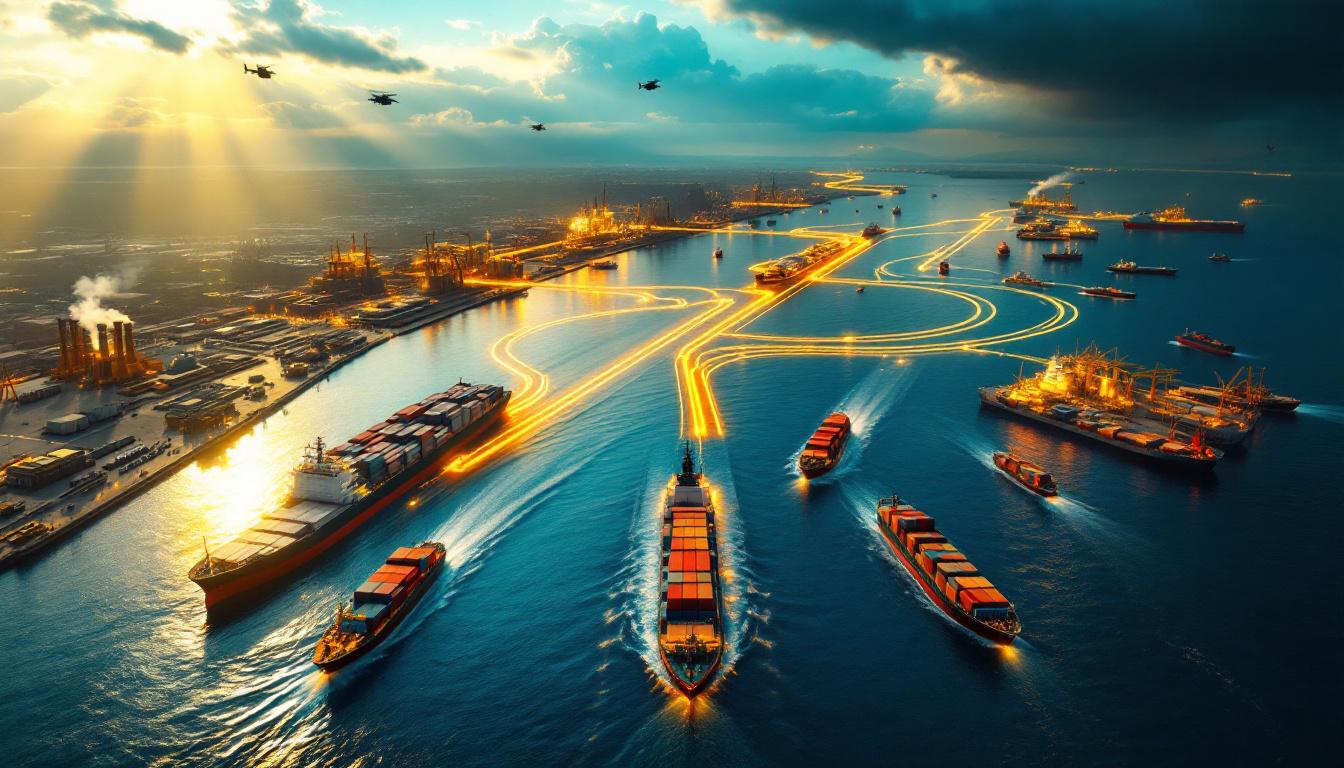
The math is simple and brutal. The Strait of Hormuz handles about 20% of the world's seaborne crude oil and a massive chunk of liquefied natural gas (LNG). When Iran blockaded the strait in early March 2026, it didn't just disrupt a shipping lane; it triggered the largest supply disruption in the history of the oil market.
Brent Crude has already surged past $120 per barrel. While the IMF's "reference scenario" assumes the war stays short and oil averages $82 for the year, nobody on the ground actually believes that's the ceiling. If this blockade drags on, the IMF warns global growth could tank to 2% or less. That’s territory usually reserved for global recessions.
Asia and Europe are in the Crosshairs
While the US has its own shale reserves to lean on, our friends in Asia and Europe don't have that luxury. China, India, Japan, and South Korea account for 75% of the oil that usually flows through Hormuz. They’re now scrambling for alternatives that simply don't exist at the scale they need.
Europe is facing its second major energy crisis in four years. With Qatari LNG exports essentially stranded—QatarEnergy had to declare force majeure on all exports—countries like Germany are seeing energy costs skyrocket again. It's forcing the European Central Bank (ECB) to rethink its plan to cut interest rates. Higher energy costs mean higher inflation, and higher inflation means your mortgage rates aren't coming down anytime soon.
Beyond the Pump
It’s not just about fuel. The Middle East is a primary supplier of non-oil commodities that keep modern life running. Think about:
- Fertilizers: Necessary for the next harvest. Prices are spiking, which means more expensive food by fall.
- Aluminum and Methanol: Critical for manufacturing and the "green transition" everyone likes to talk about.
- Potable Water: In Gulf states, desalination plants provide up to 99% of drinking water. These plants are now under threat or lacking the energy to run.
Why This Forecast Matters to You
The IMF isn't just guessing; they're looking at a systemic collapse of the Gulf Cooperation Council (GCC) economic model. Bahrain and Iraq, which depend on oil for the vast majority of their GDP, are in a tailspin.
For you, this means "stagflation" is no longer a scary word from the 1970s—it’s a live risk. We're looking at a period of low growth combined with stubbornly high prices. The IMF admitted that without this conflict, they actually would have upgraded the global outlook because of AI-driven productivity gains. Instead, those gains are being swallowed by the cost of war.
What You Should Do Now
Don't wait for the evening news to tell you things are getting expensive. The IMF report is a signal that the global trade system is fracturing.
- Lock in fixed rates: If you were waiting for a massive rate cut to refinance or take a loan, the IMF's inflation warning suggests you might be waiting a long time.
- Diversify your portfolio: Energy-dependent sectors are going to take a hit. Look toward companies with "shorter" supply chains or those in regions less dependent on Middle Eastern imports.
- Monitor energy stocks: While high oil prices help producers, the volatility makes "trading the news" dangerous for retail investors.
The blockade of the Strait of Hormuz has turned the IMF’s spring meeting into a crisis summit. The message is clear: the global economy is in the shadow of war, and the "normal" we expected in 2026 is officially off the table.