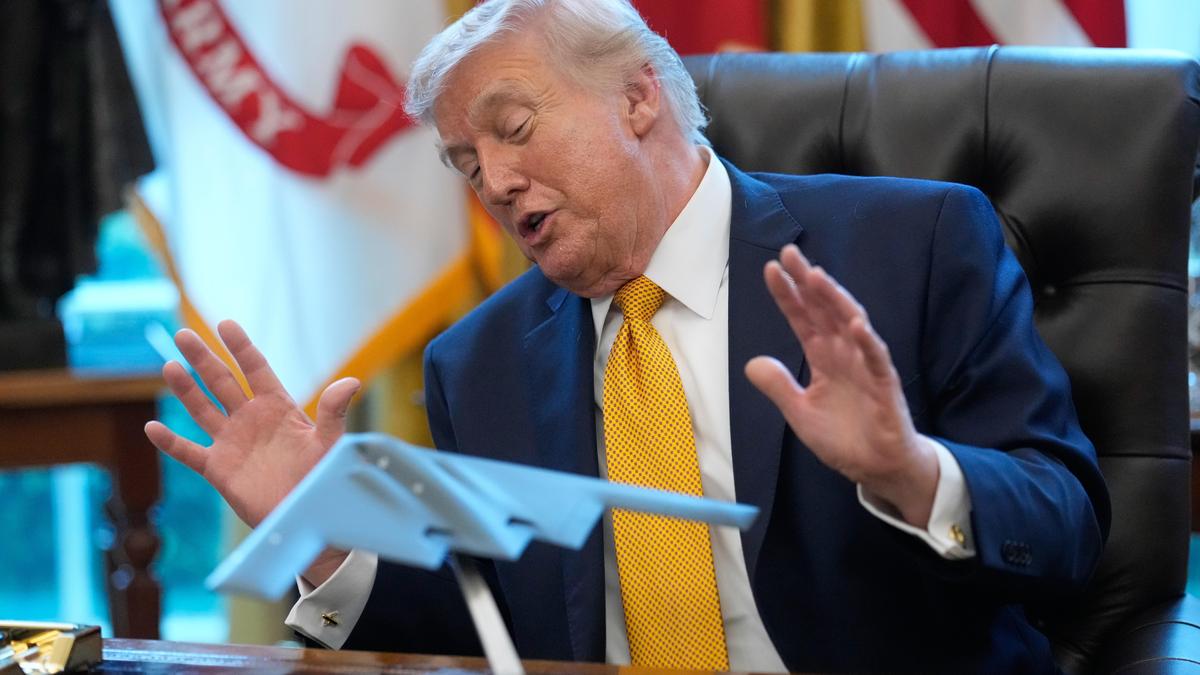
The media is obsessed with the "snub." They see a U.S. President frustrated by allies who refuse to join a naval coalition in the Strait of Hormuz and they call it a diplomatic breakdown. They are looking at the scoreboard of a game that isn't actually being played.
The refusal of Germany, France, and Japan to jump into a U.S.-led "Operation Sentinel" isn't a sign of Western weakness. It is a sophisticated, calculated refusal to participate in a redundant 20th-century solution for a 21st-century economic reality. We are witnessing the death of the "Global Policeman" model, and frankly, it is about time.
The Myth of the "Unprotected" Tanker
The prevailing narrative suggests that without a massive, coordinated gray-hull presence, the global oil supply is one Iranian speedboat away from total collapse. This is nonsense.
Insurance markets, not aircraft carriers, dictate the flow of oil. I have spent years watching commodity traders navigate geopolitical "crises." When a tanker is seized or a mine goes off, the first reaction isn't to call the Pentagon; it’s to recalculate the "War Risk" premium.
If the risk were truly existential, Lloyd’s of London would have shuttered the market months ago. Instead, the market prices the risk, the cost is passed down the supply chain, and the ships keep moving. Allies realize that a massive military buildup actually increases the volatility they are trying to suppress. A dozen different navies with a dozen different rules of engagement in a space only 21 miles wide is a recipe for a kinetic accident, not "freedom of navigation."
Why Germany and Japan are Smarter Than the Headlines
Critics claim Berlin and Tokyo are being "freeloaders." That’s a lazy take.
Japan imports roughly 80% of its crude oil from the Middle East. They have everything to lose. Yet, they opted for a solo, "information-gathering" mission rather than joining the U.S. coalition. Why? Because they understand the distinction between security and provocation.
Joining a U.S.-led mission validates the Iranian narrative that the West is seeking regime change under the guise of maritime safety. By staying independent, Japan and European powers maintain a diplomatic backchannel that Washington burned years ago. They aren't "rejecting" the U.S.; they are providing a release valve for a pressure cooker that the U.S. keeps cranking up.
The U.S. is operating on an outdated blueprint where "presence equals stability." In the modern Persian Gulf, presence often equals a target.
The Logistics of a Failed Escort Strategy
Let’s talk about the math that the armchair generals ignore.
The Strait of Hormuz sees roughly 2,000 large tankers pass through annually. To provide a true "escort" for every vessel—the kind that would actually deter a state-level actor like the Islamic Revolutionary Guard Corps (IRGC)—you would need a fleet size that doesn't exist.
If you try to group ships into convoys, you create massive, slow-moving targets. You also disrupt the "just-in-time" delivery schedules that global refineries depend on. A convoy system would cause a greater spike in oil prices through sheer logistical friction than the occasional seizure of a mid-sized tanker ever could.
The Energy Independence Paradox
The loudest voices demanding a massive U.S. naval presence are often the same ones touting American energy independence. You cannot have it both ways.
If the U.S. is truly a net exporter of energy, the strategic necessity of burning billions of dollars in steaming hours to protect oil destined for China and India becomes a hard sell to the American taxpayer. Our allies know this. They see the pivot. They aren't refusing to join a coalition because they are "upset" with a specific President; they are refusing because they know the U.S. commitment to the region is structurally destined to fade.
Investing in a joint naval task force today is buying stock in a company that is clearly filing for Chapter 11.
The Hidden Cost of "Security"
Every time we send a destroyer to play chicken with an IRGC fast boat, we are training the adversary.
Asymmetric warfare thrives on observation. By flooding the Strait with warships, we provide the Iranian military with endless data on our response times, our radar frequencies, and our tactical patterns. We are paying millions per day to give our opponents a free masterclass in how to counter us.
The "consensus" view says we must show strength to deter. The reality is that we are showing our hand.
What the "Experts" Get Wrong About Iran
The common question asked is: "How do we stop Iran from closing the Strait?"
The answer is: They won't.
Iran’s economy is gasping for air. They need the Strait open as much as anyone else because they still need to move their own (albeit sanctioned) product and receive imports. Closing the Strait is their "nuclear option"—a move they can only make once before it triggers a total war that ends their regime.
By treating every minor harassment as a prelude to a global blockade, the U.S. grants Tehran a level of leverage they haven't earned. Our allies recognize that ignoring the bait is a more effective strategy than biting every time a speedboat gets too close to a hull.
The Brutal Reality of Modern Sovereignty
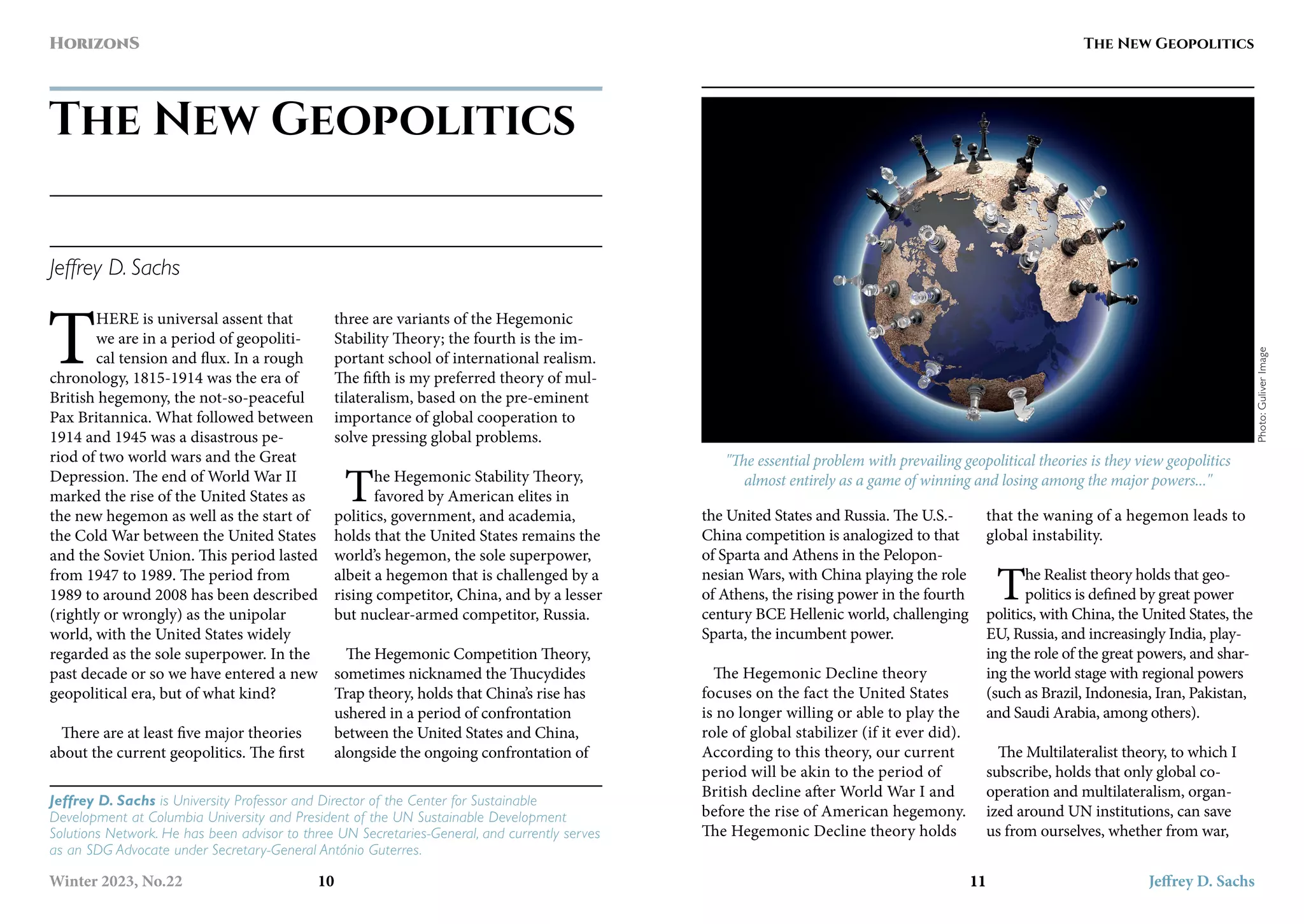
This "rejection" is actually the birth of a multipolar maritime reality.
For decades, the world operated under the assumption that the U.S. Navy was the only entity capable of securing the commons. That era is over. Not because the U.S. is weak, but because the cost of maintaining that hegemony is no longer aligned with the benefit.
European and Asian powers are beginning to realize they must develop their own regional security frameworks that don't rely on the fluctuating political whims of Washington. This is healthy. This is necessary.
If you want to see who actually understands the situation, look at the dry bulk and tanker rates. They aren't screaming. They are whispering that the "crisis" is a political theater, not a commercial one.
Stop asking why our allies won't follow us into the Strait. Start asking why we are still trying to lead a charge into a dead-end alley. The world has moved on from the idea that a carrier strike group is the solution to every supply chain hiccup. It's time the defense establishment caught up.
The real threat to the Strait of Hormuz isn't a lack of warships. It's the delusion that more warships will make it safer.
Would you like me to analyze the specific impact of "War Risk" insurance premiums on global crude pricing to show you how the market actually handles these "crises" without military intervention?