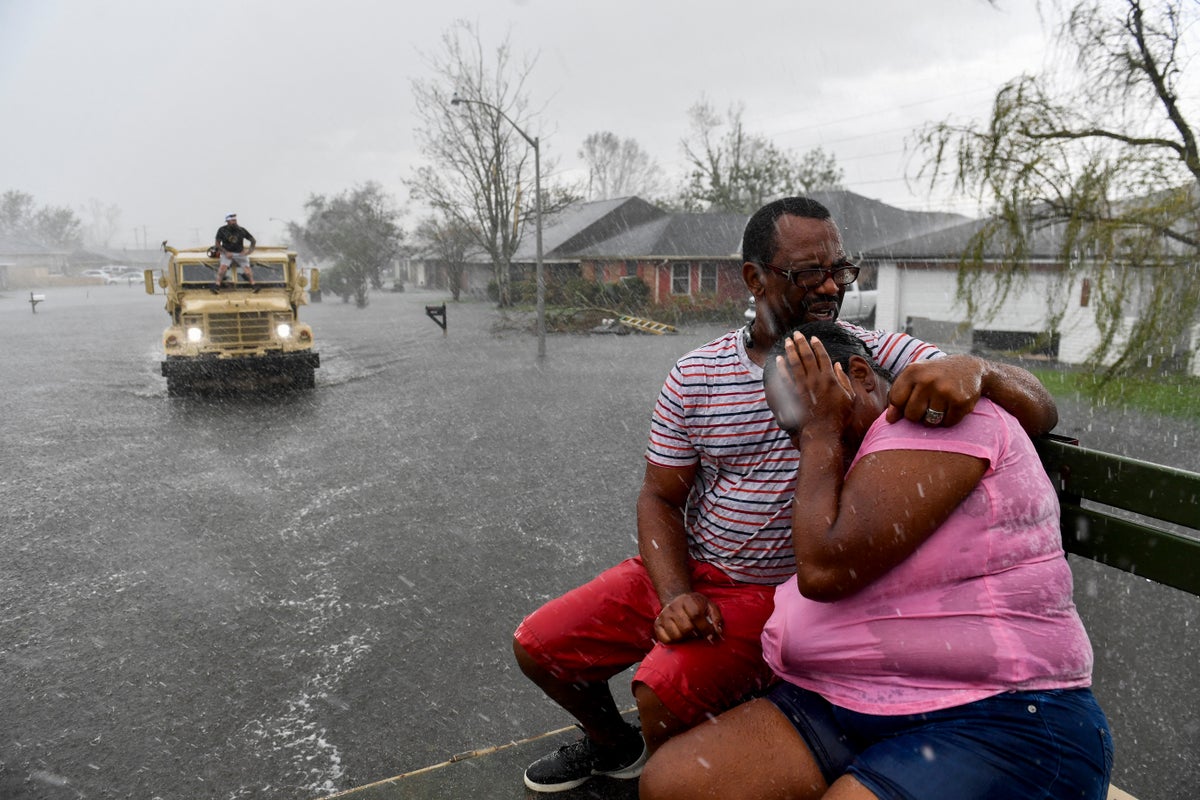
The salt air smells different when you know a storm is coming. It loses its clean, crisp bite and turns heavy, thick with the scent of decaying marsh grass and wet asphalt. For anyone who has spent a lifetime on the coast, that shift in the breeze triggers an ancient, hardwired instinct. You look at the sky. You check the plywood supply in the garage. You wait.
This year, the meteorologists are sending out a message that sounds, at least on the surface, like a collective sigh of relief for millions of people along the Atlantic basin. The consensus from the climate desks and the tracking centers is clear: the Atlantic hurricane season is projected to be calmer than average. The numbers are lower. The graphs look less menacing. On paper, the East Coast and the Gulf find themselves under a temporary reprieve.
But statistics are cold comfort when you live at sea level.
The danger of a quiet forecast is the quiet complacency that follows it. When the news anchors smile and announce a below-average season, windows stay unboarded. Generators sit in the back of the shed, their oil unchanged, their spark plugs rusting. People look at the quiet ocean and see a promise, forgetting that a single anomalous system can rewrite the geography of a town in a weekend. Meanwhile, across the continent, another coastline is staring down a completely different, far more volatile reality.
The Geography of Unease
To understand the true weight of a hurricane season, you have to look past the global averages and look at individual doorsteps.
Imagine a hypothetical business owner named Mateo. He runs a small beachfront hotel in Mazatlán, on the Pacific coast of Mexico. For years, the Pacific side was considered the more predictable sibling in the global weather system. Sure, they had tropical storms, but the prevailing winds and cooler waters often acted as a natural shield, pushing the worst of the weather out to sea, away from humanity.
Not anymore.
While the Atlantic settles into a temporary slumber, the Pacific is waking up with a vengeance. The waters off the western coast of North and Central America have been simmering. This isn't a subtle shift; it is a profound thermal loading. The ocean surface temperatures in the eastern Pacific have surged past historical norms, creating a massive reservoir of latent energy.
For Mateo, this isn't an abstract data point on a university spreadsheet. It means the ocean outside his lobby doors feels like bathwater. It means the night sky is increasingly illuminated by distant, silent heat lightning. The Pacific coast is no longer protected by its old atmospheric barriers. The shield is down.
The Mechanics of the Monster
Meteorology often suffers from a branding problem. We talk about high-pressure ridges and wind shear as if we are discussing the fine-tuning of an engine, but the reality is much more elemental. A tropical cyclone is, stripped down to its physics, a massive heat engine. It takes the thermal energy stored in the upper layers of the ocean and converts it into kinetic energy—into wind, into storm surge, into torrential rain.
Think of the ocean surface as a fuel tank. In the Atlantic this year, a combination of atmospheric factors—including a stubborn layer of dry, dust-laden air blowing off the Sahara Desert—is acting like water in the gas tank. It suffocates the storms before they can ignite. It shears the tops off developing clouds, preventing them from organizing into that terrifying, symmetric eye.
But the Pacific is running on pure, high-octane fuel.
When a tropical depression wanders into those superheated western waters, the transformation can be terrifyingly fast. This is the phenomenon known as rapid intensification. A storm can go from a disorganized cluster of rain showers to a catastrophic Category 4 monster in less than twenty-four hours. It catches meteorologists off guard. It leaves coastal residents with no time to evacuate. It turns the simple act of going to bed in a tropical paradise into a dangerous gamble.
The Blind Spot on the Map
The stark contrast between the two coasts exposes a fundamental flaw in how we consume information in the modern age. We are addicted to the macro-narrative. We want a single headline that tells us how the world is doing.
When the prevailing headline reads that the hurricane season is dying down, that becomes the dominant cultural truth. It influences everything. Insurance companies adjust their risk models. Supply chains shift their focus. FEMA plans its asset allocation based on where the big numbers are expected to fall.
Consider what happens next: the Pacific coast, traditionally less prepared for catastrophic landfalls than the storm-hardened communities of Florida or the Carolinas, gets pushed to the periphery of public consciousness. The infrastructure along the Pacific littoral—from the fragile fishing villages of Oaxaca to the sprawling coastal developments of Baja California—is fundamentally different. The topography is steeper. The rivers are shorter and more prone to flash flooding. A storm that would cause manageable street flooding in Miami can trigger devastating mudslides in Puerto Vallarta, wiping out entire mountainside neighborhoods in a matter of minutes.
The stakes are invisible until they are catastrophic.
The Human Cost of a Number
There is a distinct vulnerability in realizing that your safety depends entirely on an invisible line drawn on a weather map. The people who live along the Pacific coast are acutely aware that they are operating without a net this year.
It forces a strange kind of psychological weariness. Every morning begins with a ritual check of the satellite loops. You look for that telltale swirl of white clouds off the coast of Central America. You listen to the local radio, trying to parse the tone of the forecaster's voice. Is he calm? Is there a subtle edge of anxiety in his delivery?
The data tells us that the Atlantic is safe, but the planet doesn't respect our neat geographical divisions. The atmospheric patterns that are suppressing storms in the East are actively fueling them in the West. It is a planetary see-saw. One side goes down, the other goes up.
This shifting balance complicates our relationship with the places we call home. We want to believe that nature operates on a predictable schedule, that the seasons will behave the way our grandparents said they would. But those old rules are dissolving. The boundaries of risk are shifting, moving into areas that previously felt secure.
The Real Lesson of the Forecast
We have a habit of treating weather forecasts like sports scores. We root for the low numbers and dread the high ones. But a below-average season in the Atlantic doesn't mean a zero-risk season. It took only one storm—Andrew in 1992—to turn a quiet, below-average Atlantic season into one of the most destructive years in American history. It only takes one.
The real story of this year's forecast isn't the quiet in the Atlantic. It is the profound volatility of our changing world. It is the reality that safety is always relative, and usually temporary.
As the summer deepens, the eyes of the meteorological world will undoubtedly remain fixed on the oceans. The satellites will continue their silent, orbital watch, tracking the swirling eddies of heat and wind. On the Atlantic shores, people will enjoy the calm, perhaps letting their guard down just a little too much.
But on the Pacific side, the air remains thick, the water remains warm, and the locals will keep their eyes trained on the western horizon, watching for the first sign of the sea reclaiming its strength.