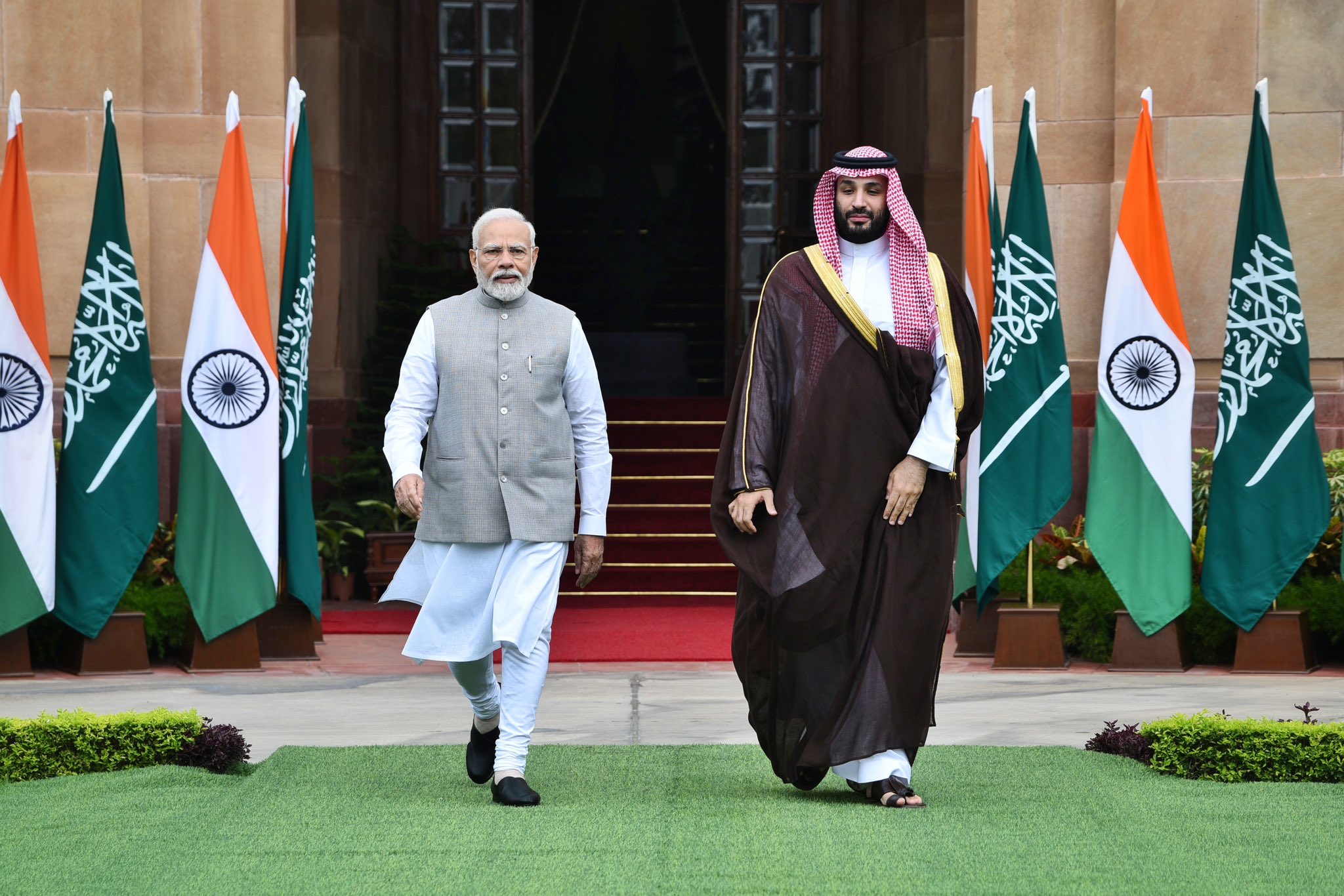
National Security Advisor Ajit Doval didn't just land in Riyadh for a handshake and a photo op. His April 19 visit comes at a time when the Middle East is basically a tinderbox. While the official statements mention "bilateral relations" and "mutual interests," the reality is far more complex. India is no longer just a buyer of Saudi oil; it's becoming a primary security partner in a region where old alliances are shifting faster than desert sands.
Doval's marathon meetings with Energy Minister Prince Abdulaziz bin Salman, Foreign Minister Prince Faisal bin Farhan, and his counterpart Dr. Musaed Al-Aiban tell you everything you need to know. This wasn't about routine trade. It was about hard-nosed geopolitics, energy security, and a shared anxiety over regional stability that keeps both New Delhi and Riyadh up at night.
The Ukraine Factor and the Global Balancing Act
You can't look at Doval’s Riyadh trip in a vacuum. Just 48 hours before he touched down in Saudi Arabia, he was locked in talks with Rustem Umerov, the Secretary of Ukraine's National Security and Defence Council. That’s not a coincidence. It's a signal.
India is positioning itself as the ultimate bridge-builder. By engaging with Kyiv and then immediately pivoting to Riyadh, Doval is highlighting India’s unique spot in the 2026 global order. Saudi Arabia, much like India, has refused to take a hard side in the Russia-Ukraine conflict, preferring a "strategic autonomy" that protects its own economic interests.
The two nations are comparing notes on how to navigate a world where the old superpowers don't call all the shots anymore. They're looking at the fallout of the prolonged war—specifically how it's trashing food security and making energy markets look like a roller coaster. For India, a stable Saudi Arabia isn't just a preference; it’s a necessity for keeping the lights on back home.
Beyond Oil: The New Security Architecture
If you think India and Saudi Arabia are just trading barrels for spice, you’re living in the 1990s. The conversation has shifted toward "non-traditional security." This means cybersecurity, maritime safety in the Red Sea, and protecting the massive digital infrastructure both countries are building.
The Strategic Partnership Council (SPC) is the engine room here. Since its inception, it has moved the needle from simple buyer-seller dynamics to joint defense production. Doval’s presence suggests that there's a lot of talk about:
- Intelligence Sharing: Keeping tabs on radicalization and cross-border threats that affect both the Gulf and South Asia.
- Maritime Security: With the Strait of Hormuz seeing frequent "incidents" lately, India’s Navy and Saudi’s maritime forces have a massive stake in keeping those lanes open.
- Defense Manufacturing: Moving beyond just buying equipment to actually building it together, leveraging India’s growing "Make in India" defense sector.
Why Riyadh is Looking East
It's no secret that Saudi Arabia’s Vision 2030 is the Crown Prince's baby. Mohammed bin Salman (MBS) wants to move the Kingdom away from oil dependence. To do that, he needs tech, he needs labor, and he needs a massive market. India offers all three.
But there’s a deeper layer. Riyadh is diversifying its "security portfolio." While the U.S. remains a key partner, the Saudis have seen that Washington can be fickle. India, on the other hand, is a steady, predictable power with no desire to preach about internal Saudi politics. Doval’s visit reinforces this "no-strings-attached" partnership that is becoming the gold standard for diplomacy in the Global South.
Facing the China Challenge Together
Let’s be honest: the elephant in the room is Beijing. China’s role in brokering the Saudi-Iran deal a few years back was a wake-up call for everyone. India doesn't want to see the Middle East become a Chinese playground, and Saudi Arabia doesn't want to be overly dependent on any single Asian superpower.
By deepening ties with India, Riyadh gets a democratic, stable alternative to Chinese influence. Doval is likely making the case that Indian technology and security cooperation come without the "debt-trap" risks or the political baggage that other players might bring to the table.
The Immediate Road Map
Don't expect a massive joint communique with all the secrets spilled. That’s not how Doval works. However, the next few months will likely show the fruits of this Riyadh trip through:
- Increased Naval Drills: Look for more "Al Mohed Al Hindi" exercises in the Arabian Sea.
- Tech Investments: Expect Saudi sovereign wealth funds to double down on Indian green energy and cybersecurity startups.
- Diplomatic Sync: More frequent voting alignment in international forums on issues like counter-terrorism and energy pricing.
The Doval visit confirms that the India-Saudi relationship has graduated. It’s no longer a "transactional" link. It’s a "strategic" one. In a 2026 landscape where the only certainty is uncertainty, New Delhi and Riyadh have decided they’re much better off facing the chaos together.
If you’re tracking global shifts, keep your eyes on the India-Middle East-Europe Economic Corridor (IMEC). This visit was a major brick in that wall. The real work starts now, as both sides move from high-level talks to the gritty reality of implementation. Watch the maritime traffic and the fiber-optic deals—that’s where the real story is being written.