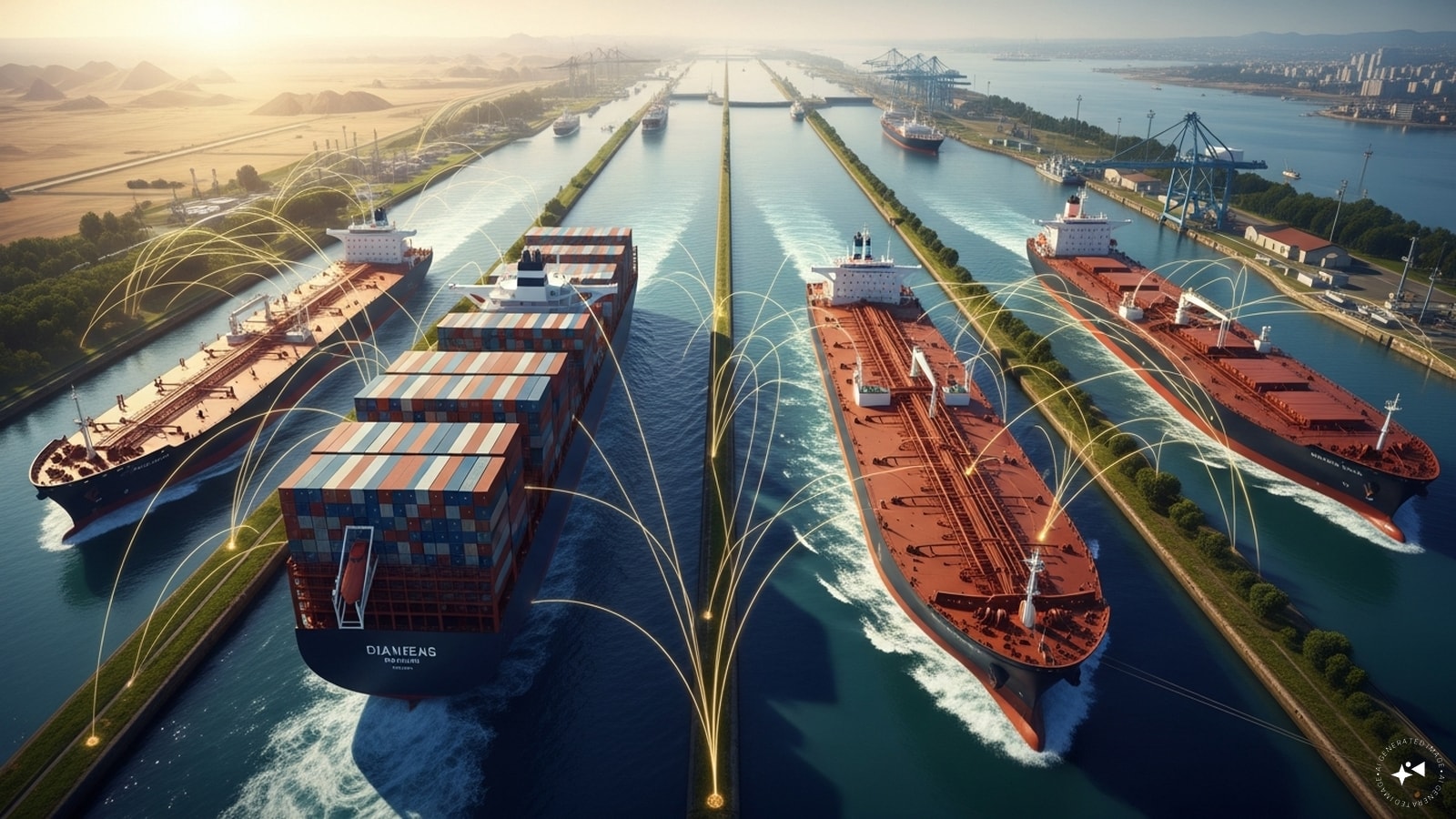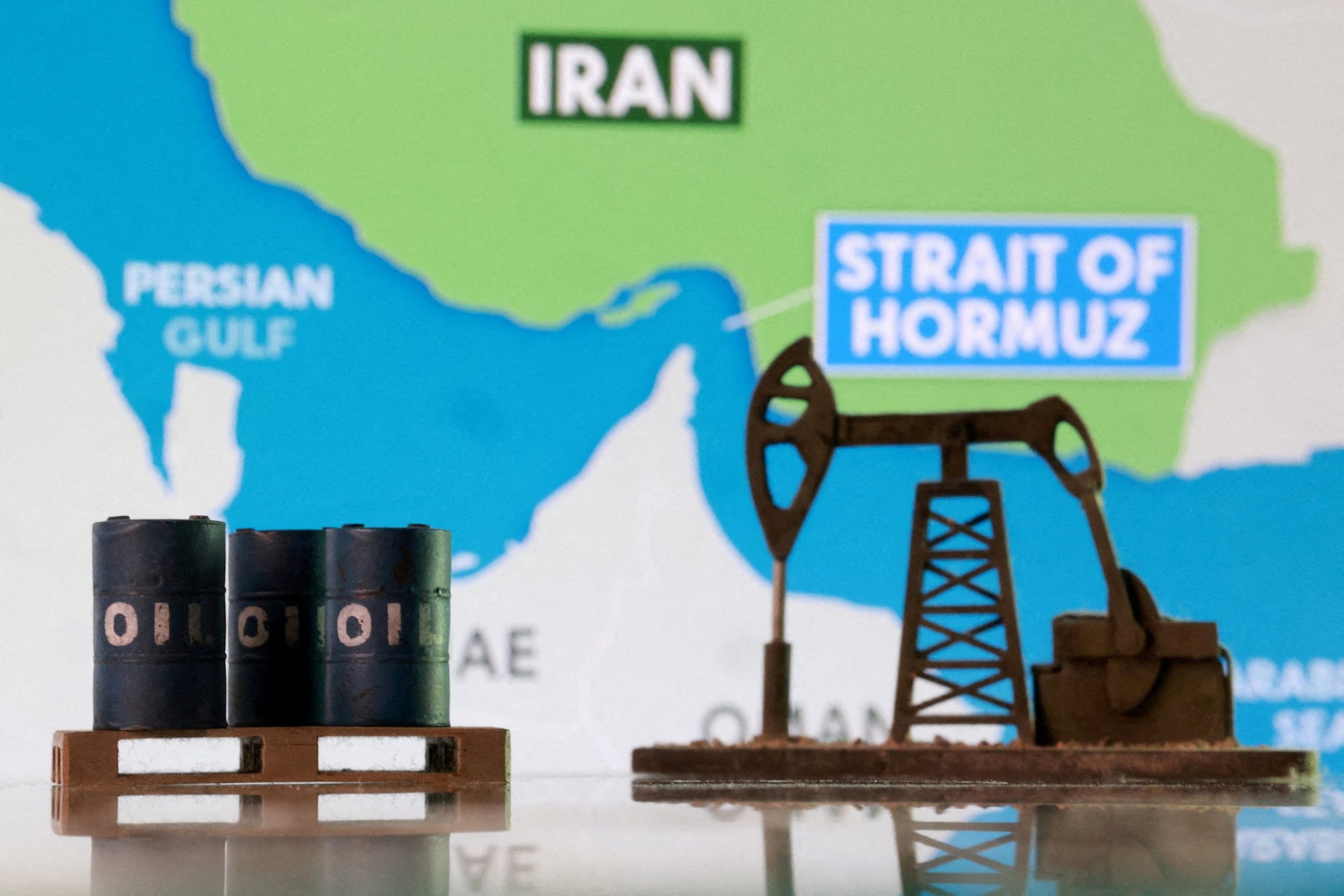
The world’s most vital energy artery has just been fitted with a digital meter. After forty days of kinetic conflict that pushed global oil prices into triple digits, Iran has leveraged a fragile two-week ceasefire with the United States to formalize what many in the shipping industry feared: a unilateral toll on the Strait of Hormuz. For the first time in modern maritime history, a sovereign nation is demanding up to $2 million per vessel for the privilege of navigating an international strait.
This is not a mere suggestion or a diplomatic trial balloon. On April 7, 2026, the Iranian Parliament approved a draft bill codifying these transit fees into law. The mechanism is clinical and technologically aggressive. According to reports confirmed by the Financial Times, Iran is demanding these payments in Bitcoin and stablecoins to bypass the very sanctions the U.S. has used to strangle its economy for decades. By the time a tanker enters the 21-mile-wide chokepoint, it must have already cleared a digital wallet transaction, or it risks being intercepted by the Islamic Revolutionary Guard Corps (IRGC) navy.
The Reconstruction Tax
Tehran is framing this as a "security and reconstruction" levy. Following weeks of intense U.S. and Israeli strikes on Iranian infrastructure, the government claims it lacks the capital to rebuild. By charging a fee—reportedly scaled at $1 per barrel of oil—Iran aims to turn the world’s energy dependence into a direct repair fund.
The math for a Very Large Crude Carrier (VLCC) is staggering. A standard VLCC carries roughly 2 million barrels of oil. Under the new protocol, a single transit could cost a fleet operator $2 million. For an industry that operates on razor-thin margins and is already battling astronomical war-risk insurance premiums, this is a body blow.
President Donald Trump, who brokered the ceasefire, has hinted at a "Golden Age" for the Middle East, suggesting that the U.S. will assist with "traffic buildup" in the region. This rhetoric hides a grim reality for global logistics. While the ceasefire provides a two-week window for "controlled transit," it also hands Iran the keys to a tollbooth that oversees 20% of the world’s oil supply.
The Death of Free Navigation
Under the United Nations Convention on the Law of the Sea (UNCLOS), straits used for international navigation are supposed to be exempt from transit fees. Article 26 is explicit: no charge may be levied upon foreign ships by reason only of their passage through the territorial sea.
Iran is exploiting a legal loophole the size of a supertanker. Since Tehran never ratified UNCLOS, it argues that the Strait of Hormuz is subject to its own internal security laws, especially during a state of war or "controlled peace." By labeling the toll a fee for "security services" and "navigational coordination," Iran is attempting to mimic the revenue models of the Suez and Panama Canals.
The distinction is critical. Canals are man-made shortcuts; straits are natural waterways. If the international community accepts this precedent, every maritime chokepoint—from the Bab el-Mandeb to the Strait of Malacca—becomes a potential revenue stream for whichever nation holds the nearest coastline.
The Crypto Workaround
The use of Bitcoin is the most sophisticated layer of this gambit.
- Traceability: While the blockchain is public, the ownership of Iranian "reconstruction wallets" is easily obscured through mixers and decentralized exchanges.
- Speed: Iranian authorities are reportedly giving ship captains "seconds" to confirm a payment before denying entry.
- Sanction Immunity: Traditional banking transfers can be frozen by the Office of Foreign Assets Control (OFAC). A Bitcoin transfer cannot.
This creates a paradox for Western shipping companies. To pass the strait, they must technically violate U.S. sanctions by sending digital assets to an IRGC-linked entity. To refuse is to leave $200 million worth of cargo idling in the Gulf of Oman.
The Omani Connection
Iran is not acting entirely alone. Reports suggest a "coordinated protocol" with Oman, which shares the strait. While Muscat has been quieter about the specifics, any agreement that includes Oman provides Iran with a veneer of regional legitimacy. If both coastal states agree to the fee, the legal challenge for the U.S. and its allies becomes significantly more complex.
Oman has long acted as the "Switzerland of the Middle East," but the sheer scale of the revenue—potentially $100 million a day during peak traffic—is a powerful incentive for a neighbor weary of regional instability.
Market Reaction and the True Cost
Oil prices initially dropped 13% on news of the ceasefire, settling around $94 per barrel. This is a false bottom. The market is pricing in the availability of oil, but it has not yet fully priced in the cost of the toll.
When you add the $2 million transit fee to the record-high insurance rates and the "war-risk" surcharges, the effective price of Middle Eastern crude is still climbing. Logistics giants like Maersk and Hapag-Lloyd are now forced to choose between the "Hormuz Tax" and the long, expensive journey around the Cape of Good Hope.
The ceasefire is scheduled to last only two weeks. If a permanent deal is not reached, Iran has already shown its hand: it will use its geography as a weapon of fiscal mass destruction. The "tollbooth" in the Strait is no longer a theoretical threat; it is an active financial architecture designed to force the West to fund the reconstruction of its own adversary.
Strategic reserves can only buffer the global economy for so long. As the two-week clock ticks down, the shipping industry is realizing that the era of "free" passage through the world’s most dangerous waters ended the moment the first Bitcoin hit an Iranian wallet.