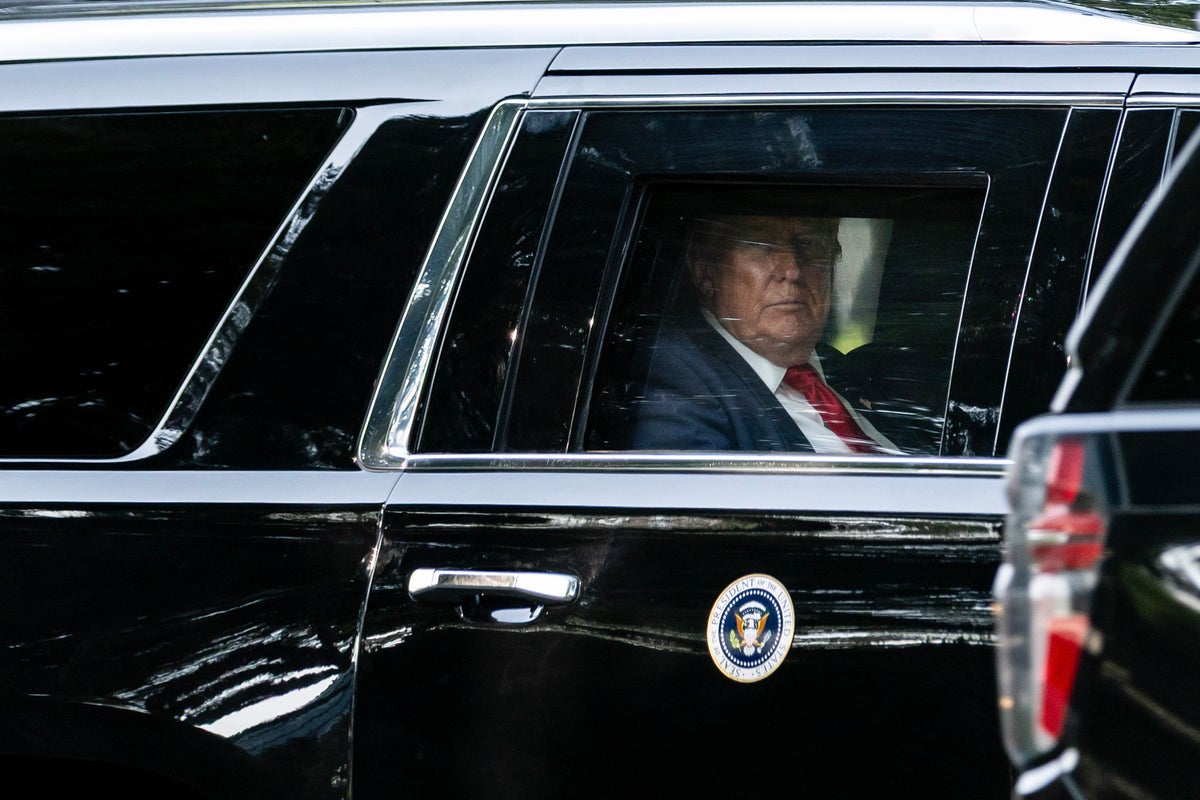
On Capitol Hill, silence usually means trouble, but the current quiet among Republican strategists is born of pure dread. As the clock ticks toward Donald Trump’s scheduled 9:00 PM Eastern primetime address, the private consensus within his own party is a mix of high anxiety and tactical desperation. The official purpose of the speech is to detail newly declassified intelligence indicating foreign attempts to meddle in American democracy, specifically pointing toward Chinese operations. Yet, the real drama is not what is written on the teleprompter. It is the terrifying probability that the president will abandon the script entirely, letting his personal grievances dictate the national broadcast.
Congressional leaders and campaign advisers are terrified. They know that when the red light on the camera glows, written policy arguments often dissolve. A structured, evidence-backed address on national security could easily morph into a rambling monologue about voting machines, mail-in ballots, and the unhealed wounds of the 2020 election.
For a party trying to secure its legislative agenda and protect vulnerable moderates in swing districts, this unscripted vulnerability is a critical liability. It threatens to overshadow months of disciplined messaging on inflation, border security, and energy independence.
The Battle of the Teleprompter
The tension between the written word and Trump's natural instincts is a permanent feature of his political identity. Inside the West Wing, speechwriters have spent days polishing a draft designed to frame election security as a modern defense issue. The strategy is clear. By focusing on declassified reports of Chinese intelligence analyzing voter registration data, the administration could mount a sober, policy-driven argument for tighter election controls.
But to Trump, a teleprompter is often a starting point rather than a guide. His most potent moments come when he speaks directly to his audience, responding to the energy in the room or his own internal monologue. In a closed television studio, devoid of the roaring crowds that fuel his rallies, that impulse does not vanish; it simply becomes more unpredictable.
Party strategists have warned that a single ad-libbed claim about rigged voting machines could destroy the credibility of the entire address. If the president uses the platform to settle old personal scores, the media coverage will not focus on foreign adversaries. It will focus on his refusal to move past his previous electoral defeat.
This is not a theoretical worry. During previous major addresses, even those with the highest stakes, the president has frequently veered off-script to air grievances against political rivals, media outlets, and intelligence officials. The fear is that tonight’s speech will follow the same pattern, turning a national security briefing into a prime-time campaign rally.
The Intelligence Dilemma
The core of the GOP’s anxiety lies in the thin line between the declassified intelligence and the president’s public claims. The documents scheduled for discussion outline sophisticated attempts by foreign actors, particularly Chinese state-sponsored hackers, to probe state voter databases and run influence campaigns on social media.
These are serious, documented threats that national security officials agree require attention. However, the intelligence community has consistently maintained that these attempts did not alter a single vote or compromise the actual tabulating infrastructure. The voting systems remained secure.
This distinction is crucial, and it is exactly what Republicans fear Trump will ignore. If he conflates foreign cyber reconnaissance with active, domestic election fraud, he risks alienating moderate voters who are weary of election denialism.
To the average swing-state suburbanite, the distinction between a foreign state scanning a public database and an election being "stolen" is massive. Strategists worry that Trump will treat the two as identical, claiming the newly declassified reports vindicate his most extreme theories.
This creates a severe trust gap. When the president exaggerates intelligence findings on national television, the immediate pushback from independent national security experts is swift and devastating. Instead of appearing as a defender of American sovereignty, the president risks looking like he is manipulating national security data for personal political gain.
Collateral Damage for the Legislative Agenda
The timing of this primetime gamble could not be worse for congressional Republicans. For months, GOP leaders have been working to build support for the SAVE Act and other voting reform measures. Their argument has been framed around constitutional order, administrative efficiency, and preventing non-citizen voting.
They have tried to keep the conversation focused on forward-looking, commonsense reforms that appeal to a broad majority of Americans. A chaotic, grievance-filled speech from the Oval Office threatens to burn that bridge.
If the president spends thirty minutes lambasting mail-in voting and suggesting the system is fundamentally broken, he undercuts his own party's legislative efforts. Why should voters support specific, targeted reforms if the leader of the party is claiming the entire structure is beyond repair?
Furthermore, it complicates the efforts of Republican candidates who are actively encouraging their supporters to utilize mail-in and early voting. Party officials have spent millions trying to convince their base that early voting is safe and necessary to win close elections. A single off-the-cuff remark from Trump declaring mail-in ballots inherently corrupt can erase those efforts instantly, depressing GOP turnout in key states.
The Divide in the Party
This moment exposes the deep, unresolved friction within the modern Republican coalition. On one side are the institutionalists and campaign professionals who view the presidency as an office of strategic communication. They want a disciplined executive who uses the bully pulpit to advance a unified party platform. They see tonight as an opportunity to put political opponents on the defensive regarding foreign influence and national security.
On the other side is the populist wing, which views Trump’s unscripted authenticity as his greatest asset. To this faction, the teleprompter represents the sterile, compromised language of the political establishment. They do not want a polished speech; they want a fighter who refuses to let go of the fight, regardless of the political fallout.
This internal division means that any attempt to manage the president is met with fierce resistance. Advisers who urge caution are often accused of being too timid or out of touch with the base. Meanwhile, those who encourage his combative instincts are viewed by party moderates as enablers driving the party toward an electoral cliff.
Ultimately, the Republican party has built an entire electoral strategy around a figure they cannot control. They rely on his ability to mobilize millions of passionate voters, but they remain constantly exposed to his unpredictable rhetorical storms. Tonight's address is the ultimate test of this uneasy arrangement. If the president sticks to the script, he might deliver a devastating critique of foreign interference and pressure his opponents. If he ad-libs, he will likely leave his party spending the rest of the week clean up the political debris.