The modern World Cup is no longer a sporting event that occasionally bumps into geopolitics. It is a geopolitical deployment mechanism wrapped in a corporate flag. As the tournament kicks off under the shadow of active military conflicts and sweeping travel restrictions, the official narrative focuses on unity and the beautiful game. The reality on the ground tells a radically different story, one where international football acts as a high-stakes pressure valve and a weapon of diplomatic isolation. When global tensions spike, FIFA's meticulously managed illusion of a neutral playing field instantly shatters, exposing how deeply embedded international football is within the machinery of global statecraft.
Sporting bodies love to pretend they can wall off the pitch from the problems of the world. They cannot. The current tournament is not merely being disrupted by global instability; it is actively being used by competing nations to project power, enforce boycotts, and rewrite diplomatic norms.
The Illusion of Neutral Turf
FIFA statutes explicitly forbid political interference in football. This rule is a fiction maintained for corporate sponsors who require a clean, controversy-free environment to sell soft drinks and sportswear. In practice, governing bodies have consistently weaponized tournament access, choosing when to enforce neutrality and when to capitulate to regional pressures.
Consider the mechanics of the current travel bans. When a host nation or a coalition of participating governments restricts visas for specific passport holders, it changes the competitive balance of the tournament. It alters who sits in the stands, who reports from the press box, and, in some cases, which players can legally cross the border to join their squads. This is not a logistical oversight. It is the deliberate application of state power through the medium of sport.
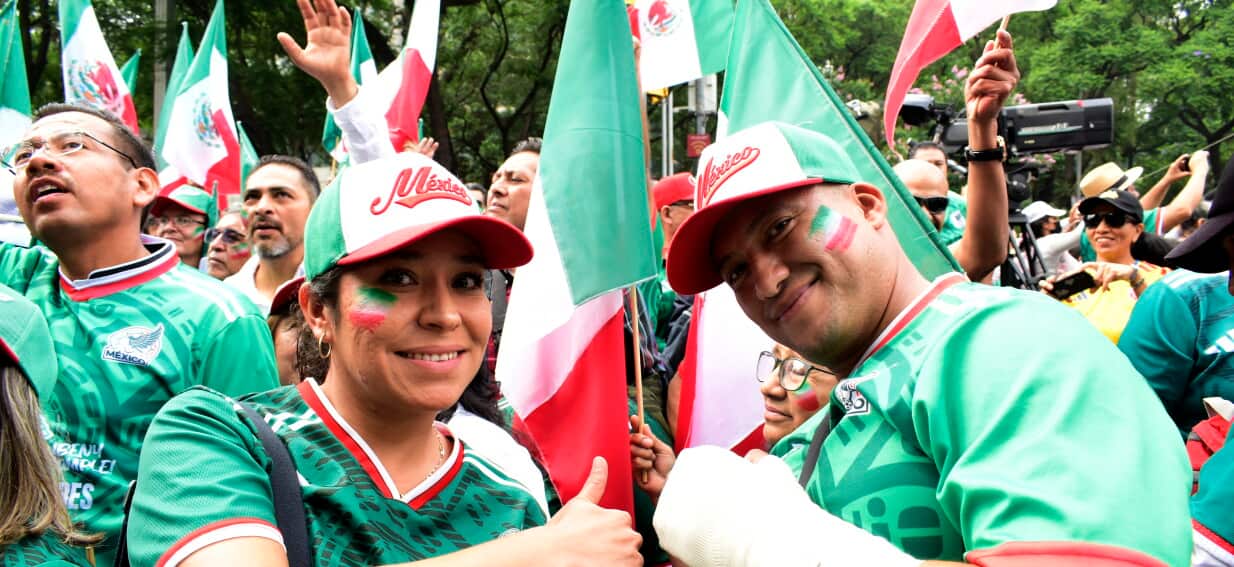
Governments realize that denying entry to athletes or fans from an adversary state sends a sharper message than a standard diplomatic note. It plays out on television screens in front of hundreds of millions of viewers. When a stadium section sits empty because an entire demographic was denied visas, the empty seats become a visual protest. The tournament transforms from a celebration into a stark map of global fractures.
How Travel Restrictions Reshape the Pitch
Travel bans do more than just alienate fans. They actively degrade the integrity of the competition itself. Managing a national team requires precise planning, scouting, and sports science support. When support staff, tactical analysts, or key players face visa denials or grueling multi-day detours through neutral third countries just to reach the host city, preparation falls apart.
The data shows that performance correlates directly with recovery time and psychological stability. A team that spends forty-eight hours navigating diplomatic red tape arrives at the tournament base camp physically depleted. Their opponents, flying in on direct charter flights with expedited diplomatic clearance, hold a massive, non-sporting advantage before a single ball is kicked.
Furthermore, the absence of independent journalists from banned nations means that the narrative surrounding these teams is controlled entirely by host-nation broadcasters or neutral media outlets that lack deep context. This creates an information vacuum. Controversial refereeing decisions, training ground incidents, and security concerns are filtered through a lens that favors the host, removing the accountability that a robust, international press corps typically provides.
The Corporate Calculus of Conflict
Corporate sponsors find themselves trapped in a difficult position during these politically charged tournaments. Companies pay hundreds of millions of dollars for multi-cycle partnership deals, expecting global goodwill and undisputed brand exposure. Instead, they find their logos displayed on billboards next to empty fan zones and military security cordons.
These corporations do not pull out of tournaments because of ethical epiphanies. They operate strictly on risk mitigation. When a war or a diplomatic blockade threatens to dominate the front pages, sponsors shift their marketing strategies from aggressive promotion to quiet damage control. You will notice a distinct change in television commercials during these cycles. The ads move away from celebrating the specific host nation and instead rely on generic, animated imagery of footballs, retro clips of historical goals, and vague messages about global community.
Behind closed doors, the legal teams of these major brands are constantly reviewing force majeure clauses. They pressure tournament organizers to resolve visa disputes not out of concern for human rights, but because an empty stadium or a boycotted match lowers television ratings. Lower ratings mean a smaller return on investment. If a sponsor buys airtime expecting a peak audience of fifty million viewers, and a political walkout cuts that audience in half, the financial hit is immediate and severe.
The Historical Precedent of the Plastic Pitch
This dynamic is not new, but the scale has escalated dramatically. During the Cold War, boycotts were blunt instruments. Nations simply refused to send their delegations to Moscow or Los Angeles. Today, the strategy is far more sophisticated. Rather than pulling out entirely, states use targeted travel bans, airspace closures, and financial sanctions to make participation logistically miserable for their opponents while maintaining their own presence on the global stage.
This approach allows governments to claim the moral high ground without facing the domestic backlash that comes with a total sporting boycott. Fans blame the host nation or the governing body for the logistical chaos, rather than their own politicians. It is a highly effective method of proxy warfare, fought in the arrivals terminals of international airports and the meeting rooms of immigration ministries.
The Security State Infrastructure
Go to any major tournament venue today and you will see that the perimeter fences resemble international borders more than stadium gates. The integration of state intelligence services with local organizing committees has reached an unprecedented level. Biometric scanning, facial recognition software, and real-time database sharing are now standard features of the World Cup infrastructure.
Host nations routinely use the tournament as an excuse to build out permanent surveillance networks. Under the guise of protecting international athletes from geopolitical blowback, cities install thousands of high-definition cameras and automated tracking systems. Once the final whistle blows and the teams fly home, this infrastructure does not get dismantled. It remains in place, integrated into the domestic policing apparatus of the host state.
The fan experience is systematically stripped of spontaneity. Ticket sales are tied directly to government-issued identification cards that track a fan's movement from the moment they land in the country to the moment they enter the turnstile. If a fan has ever posted criticism of the host nation online, their digital permit can be revoked instantly without explanation. The system is automated, opaque, and entirely unaccountable to the fans who fund the sport.
The Failure of Governing Bodies
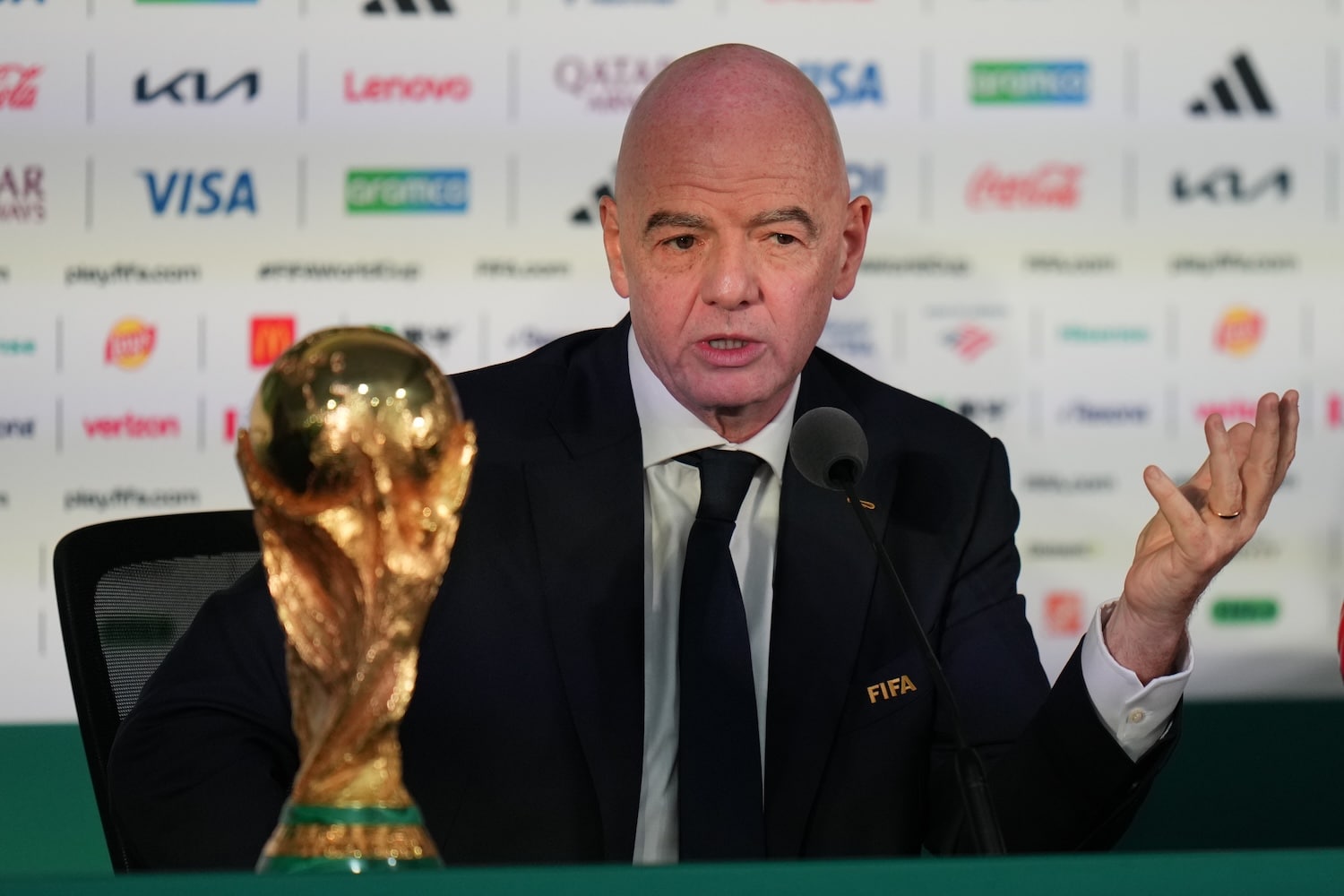
FIFA has consistently failed to address this reality because its leadership structure is dependent on the votes of individual national associations. Many of these associations are controlled directly by government ministries. To punish a country for implementing a politically motivated travel ban or using the tournament for propaganda purposes requires a political will that does not exist within Zurich's headquarters.
Instead, the governing body relies on bureaucratic delay tactics. They form task forces, issue statements condemning the escalation of violence, and appeal to the vague spirit of international cooperation. This inaction is a choice. By refusing to strip hosting rights from nations that violate the principle of open access, the governing body effectively endorses the use of the tournament as a geopolitical weapon.
The current crisis proves that the model of awarding massive, single-country sports spectacles is broken. When the host selection process is driven by financial promises rather than guarantees of free movement and human rights, the tournament will always become a hostage to global conflict.
The athletes themselves are left to navigate this minefield alone. They are told to focus on the game, yet they face press conferences dominated by questions about international law, human rights abuses, and regional blockades. If they speak out, they risk sanctions from their own federations or harassment from host-country authorities. If they remain silent, they are accused of being complicit in sportswashing. The pitch is no longer an escape from reality; it is the stage where global conflicts are dramatized, commercialized, and stripped of their human cost. The game goes on, but the field is tilting heavily in favor of whoever controls the borders.