International soccer fans who spent thousands of dollars on tickets and flights are being blocked from entering the United States by aggressive new border restrictions, turning the world's most inclusive sporting event into a logistical fortress. Decades of diplomatic precedent have been upended by an expanded travel ban targeting 39 nations, combined with unprecedented mandatory financial bonds and a flawed visa fast-track program that locks out secondary-market buyers. The friction is hitting national federations and accredited professionals too. An Iranian soccer federation president has been barred, a Somali referee was turned back at the airport, and foreign journalists face systemic visa denials.
The immediate casualty is the global tournament's traditional matchday atmosphere. Millions of local stadium attendees will notice vast, empty patches in international supporter sections or crowds heavily skewed toward wealthy nations. Beneath the public relations statements from FIFA and the U.S. Department of State lies an administrative machinery designed to vet travelers with maximum skepticism, treating legitimate sports tourists as high-risk immigration liabilities.
The Parallel Border Policy Overhauling the Fan Base
The administrative bottleneck is not an accident of bad timing. It is the direct consequence of massive structural changes implemented at the beginning of 2026. On January 1, the U.S. government expanded its active travel restrictions from 19 countries to 39, freezing or severely limiting the issuance of standard B1/B2 tourist visas across a massive swath of the globe. For 19 of those nations, including tournament participants like Haiti, Iran, and Ivory Coast, visa issuance was suspended entirely. Another 20 nations face partial restrictions that specifically block everyday tourism.
For fans outside the total ban zones, the State Department introduced a financial hurdle known as the Visa Bond Pilot Program. Under this system, consular officers can demand a refundable cash bond of $5,000, $10,000, or $15,000 before stamping a passport. The money is held by the U.S. government to ensure compliance with departure dates. For a family of three from a developing nation, this transforms a standard sports vacation into a $30,000 upfront cash liability.
Even those with financial means face staggering structural backlogs. Despite internal assertions that 80% of global consular posts maintain interview wait times under 60 days, specific posts in South America and West Africa report backlogs extending up to six months. The administrative reality has collided violently with the tournament schedule.
The Two Tier Architecture of the FIFA Pass
To mitigate the administrative disaster, the State Department launched the FIFA Priority Scheduling System, marketed as the FIFA Pass. The system was designed to provide expedited interview appointments for foreign travelers who purchased match tickets directly from FIFA during the initial lottery phases.
The system operates on an exclusionary logic. It completely bars anyone who acquired tickets through secondary resale platforms such as StubHub or ticket-broker networks.
Consider a hypothetical scenario of two fans in Bogotá, Colombia. Fan A secured a group-stage ticket during the official FIFA lottery fifteen months ago and qualifies for a priority interview within ten days. Fan B purchased an identical ticket through a verified secondary market vendor last month after saving enough income for the trip. Fan B is shunted into the standard non-immigrant visa queue, facing a wait time that stretches weeks past the date of the actual match.
The State Department defends this bifurcation as an essential security measure. Deputy spokesperson Mignon Houston confirmed the mechanism is actively used to reduce security fraud and prevent unverified ticket sellers from exploiting the priority pipeline. The policy treats secondary ticket authentication as a national security vulnerability rather than a standard consumer transaction.
| Visa Obstacle Category | Target Population | Operational Impact |
|---|---|---|
| Full Visa Suspension | 19 Nations (incl. Iran, Haiti) | Total ban on B1/B2 issuance; dual nationals excluded unless using secondary passport. |
| Partial Visa Suspension | 20 Nations (incl. Senegal, Ivory Coast) | Discretionary tourist visa freezes; high rejection rates at consular interview stage. |
| Visa Bond Pilot Program | Selected developing nations | Cash deposit requirement of up to $15,000 per applicant prior to approval. |
| FIFA Pass Exclusion | Resale ticket buyers (StubHub, etc.) | Complete denial of expedited interviews; redirection to standard 100+ day queues. |
Official Vetting Extends to the Pitch
The restrictions are not confined to everyday spectators. The security apparatus has begun entangling the active participants, support staffs, and media personnel essential to running a multi-billion-dollar athletic operation.
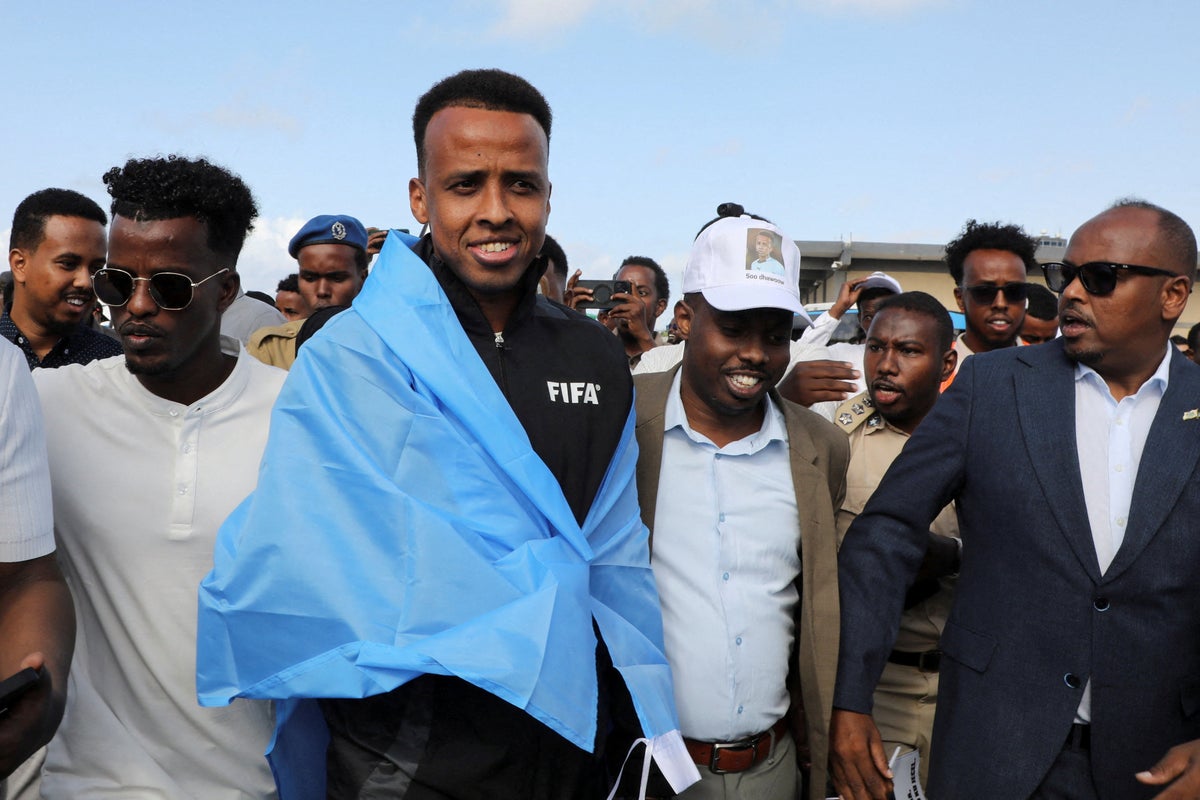
In early June, a match referee from Somalia and an official member of the Iraqi national team support staff were intercepted and denied entry at U.S. international airports. Both individuals possessed active visas and official tournament credentials, yet both were turned back following secondary inspections by Customs and Border Protection. CBP maintains that a visa functions purely as a permission slip to knock on the door, not a guarantee of entry. Admissibility determinations are executed on a discretionary, case-by-case basis by frontline officers at individual ports of entry.
The diplomatic fallout is mounting. Mehdi Taj, the president of the Iranian football federation, had his visa application rejected outright, preventing him from leading his delegation. In a formal communication sent via diplomatic channels in Turkey, the Iranian Embassy accused the United States of politically biased interference in sport, asserting the host nation is actively violating explicit FIFA hosting regulations by subjecting athletes and staff to undue psychological and administrative pressure.
Foreign media coverage is suffering from identical friction. Journalists from targeted regions report widespread denials of non-immigrant visas, while others are issued restrictive, single-entry documents. New York City officials have openly broken ranks with federal policy to criticize the restrictions. Local leadership noted publicly that refusing journalists and enforcing single-day transit limits on foreign squads fundamentally violates the historic mandate of global athletic competition.
The Economic Mirage of Global Host Cities
The administrative crackdown creates an economic reckoning for local municipalities that invested hundreds of millions in infrastructure upgrades. Cities like Dallas, Atlanta, and Los Angeles budgeted for massive influxes of international, high-spending tourists to fill hotel rooms, occupy restaurants, and generate local sales tax revenue.
The reality on the ground shows a mismatch between projections and actual foot traffic. Less than two weeks before match kickoffs, hospitality associations in major host cities reported unexpected vacancies in mid-tier and luxury hotel sectors. While regional domestic fans are traveling to matches, they do not match the long-stay economic profile of international travelers who typically book two-to-three-week itineraries across multiple host cities.
When international fans are blocked, tickets do not vanish; they enter a distressed resale market. Frustrated ticket holders in North Africa, the Middle East, and parts of South America are dumping inventory onto digital resale exchanges. This oversupply drives down prices for non-marquee group stage matches, eroding the perceived premium nature of the tournament and shifting stadium demographics toward localized, regional crowds. The global carnival vibe is replaced by a domestic stadium experience.
Why FIFA Conceded Host Authority
The deeper institutional failure lies with FIFA itself. During the host selection and evaluation phases years ago, the governing body repeatedly assured international stakeholders that the United States, Canada, and Mexico had committed to a smooth, uninhibited travel process for all qualified nations and their citizens. FIFA President Gianni Infantino went on the record to dismiss travel concerns as mere misconceptions.
Behind the scenes, FIFA top leadership quietly deferred to federal sovereignty. Faced with a firm, national security-first posture from Washington, soccer's governing body chose to protect its commercial broadcast rights and corporate sponsorships rather than fight for universal access. FIFA accepted a framework where the domestic security apparatus of a single host nation dictates who can watch the games in person.
The long-term precedent this sets for international sports infrastructure is bleak. By proving that a host nation can deploy aggressive visa bans, cash bonds, and secondary-market exclusions without facing institutional penalties or relocation threats from FIFA, the current tournament provides a template for future host states. Global sporting events are no longer neutral zones detached from geopolitical posturing; they are extensions of domestic border policy. International fans are learning that holding a valid ticket means nothing when trapped inside an administrative vacuum.