Oaktree Capital Management’s acquisition of FC Internazionale Milano represents a pivot point in European football where the distressed debt cycle meets the professionalization of sporting assets. The club is no longer an emotional vanity project but a distressed asset undergoing a rigorous operational turnaround. This transition focuses on decoupling the brand from the stagnating domestic Italian economy and re-indexing it against the high-multiple valuations of the English Premier League and American major leagues. Success depends on the execution of three distinct levers: the modernization of infrastructure, the exploitation of global commercial whitespace, and the maintenance of on-pitch competitiveness through a sustainable wage-to-revenue ratio.
The Infrastructure Bottleneck and the New Stadium Mandate
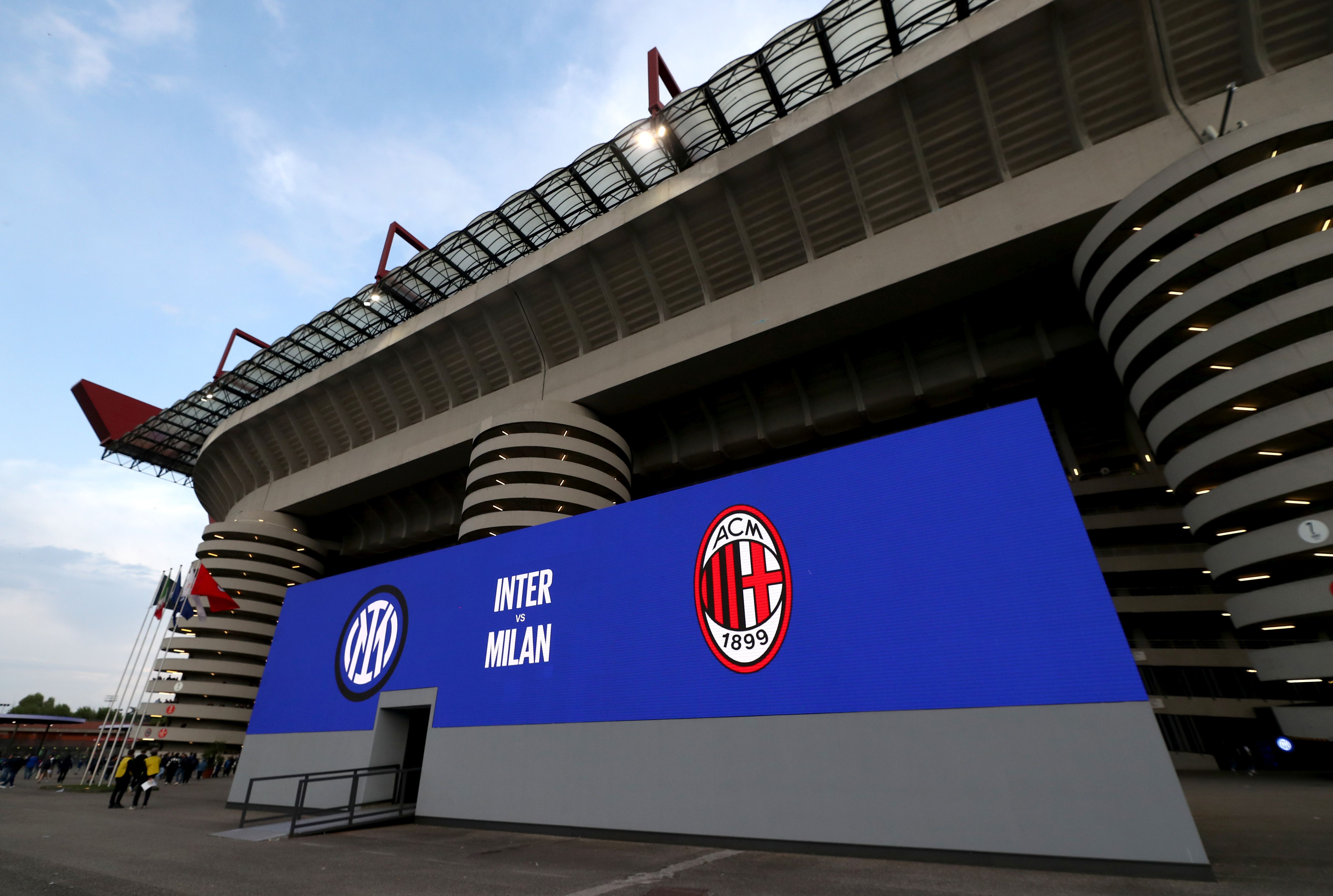
The primary constraint on Inter’s valuation is the lack of a privately owned stadium. San Siro, while a cultural landmark, operates as a revenue ceiling. Under the current municipality-owned model, the club lacks control over premium seating, year-round hospitality, and non-matchday monetization. This creates a structural deficit when compared to peers in the Premier League or even Juventus in Turin.
For Oaktree, a new stadium is not a construction project; it is a balance sheet transformation. A modern facility allows for:
- Premium Inventory Expansion: Increasing the percentage of high-margin corporate boxes and "club level" seating which typically generates 3-4x the revenue per attendee compared to general admission.
- Ancillary Revenue Streams: Capturing 100% of concessions, parking, and stadium tours which are currently diluted by municipal lease agreements.
- Asset Collateralization: A privately owned stadium provides a tangible asset against which the club can refinance existing high-interest debt at more favorable terms.
The logic follows a simple cost-benefit function: $V_s = \sum_{t=1}^{n} \frac{R_{nd} + R_{m}}{(1+r)^t} - C$, where the value of the stadium ($V_s$) is the sum of discounted non-matchday ($R_{nd}$) and matchday ($R_m$) revenues minus the construction cost ($C$). Until $V_s$ is realized, Inter remains a cash-flow-constrained entity regardless of its trophy count.
Strategic Commercial Expansion and Brand Decoupling
Italian football has historically suffered from a "localism" trap, where commercial partnerships are tied to domestic firms with limited marketing budgets. Inter is currently executing a strategy to decouple its brand from the Italian GDP and align it with global luxury and lifestyle sectors. This is a move from being a "Milanese football club" to a "Global Entertainment IP."
The North American Growth Vector
The 2026 FIFA World Cup in North America serves as the primary catalyst for Inter’s regional strategy. By establishing a physical and digital presence in the U.S., the club aims to capture a share of the world's most lucrative sponsorship market. This involves:
- Media Rights Optimization: Leveraging the American ownership’s connections to influence how Serie A is packaged for U.S. broadcasters, moving away from low-fee bulk deals toward high-engagement streaming partnerships.
- Strategic Sponsorship Tiers: Replacing regional Italian partners with global blue-chip firms in the technology, fintech, and travel sectors. The goal is to move the average jersey sponsorship value closer to the €70m+ range seen by Tier 1 European clubs.
- Digital Monetization: Utilizing CRM data to monetize a global fanbase of over 500 million. Converting a "passive follower" on social media into a "paying subscriber" requires a sophisticated digital ecosystem that offers exclusive content, e-commerce integration, and membership tiers.
The Sporting Integrity vs. Financial Sustainability Matrix
The core tension in professional football is the correlation between wage spend and league position. Historically, Inter relied on owner subsidies to bridge the gap between high player costs and organic revenue. Oaktree’s mandate is to break this dependency through "Self-Sustaining Competitiveness."
This requires a data-driven recruitment model that identifies undervalued talent (low transfer fee, high potential) and sells players at their peak valuation to fund the next cycle. This "trading profit" is essential for complying with UEFA’s Financial Fair Play (FFP) regulations and the new Squad Cost Ratio rules.
The Efficiency Frontier of Player Trading
To maintain a winning squad without increasing net debt, the club must operate on the efficiency frontier of the transfer market. This involves:
- Wage Bill Compression: Transitioning away from "legacy contracts" for aging stars and toward performance-linked incentives for younger players.
- Academy Integration: Increasing the internal rate of return (IRR) on the youth academy by integrating homegrown talent into the first team or selling them for "pure profit" in accounting terms.
- Algorithmic Scouting: Using advanced metrics to find replacements for departing stars before the market inflates their price.
The risk is "Sporting Decay." If the talent exodus exceeds the recruitment success rate, the club loses access to Champions League revenues—a vital component of the annual budget (often exceeding €60m-€100m). This creates a feedback loop: lower revenue leads to lower wage capacity, which leads to lower performance.
Debt Restructuring and the Path to Exit
Oaktree is not a long-term operator in the mold of a family dynasty; they are an investment firm. Their presence signals a multi-year "build-to-sell" strategy. The ultimate goal is to clean the balance sheet, stabilize EBTIDA (Earnings Before Interest, Taxes, Depreciation, and Amortization), and exit via a sale to a sovereign wealth fund or a multi-club ownership group at a valuation exceeding €1.5 billion.
The primary hurdle is the existing debt stack. Inter has historically carried high-interest bonds. A critical part of the current strategy is refinancing this debt at lower rates by demonstrating a path to profitability. If the club can show a consistent positive EBITDA, the risk premium demanded by lenders drops, freeing up millions in annual interest payments for reinvestment into the squad.
The "Oaktree Era" will be judged not by the number of trophies alone, but by the delta in the club’s Enterprise Value (EV). The strategy is a cold, calculated bet that the "Calcio" discount—the lower valuation of Italian clubs compared to English ones—is a temporary market inefficiency that can be corrected through superior management.
The strategic play for Inter is the immediate and aggressive pursuit of the San Donato or Rozzano stadium projects. Every month of delay in breaking ground on a private facility is a month of forfeited revenue that cannot be recovered through player sales or sponsorship deals. The club must prioritize administrative and political lobbying over marquee player signings in the short term to ensure the long-term viability of the asset. The transition from a municipal tenant to a real estate owner is the only path to a Tier 1 valuation.
Would you like me to analyze the specific impact of the new FIFA Club World Cup format on Inter’s 2025-2026 revenue projections?