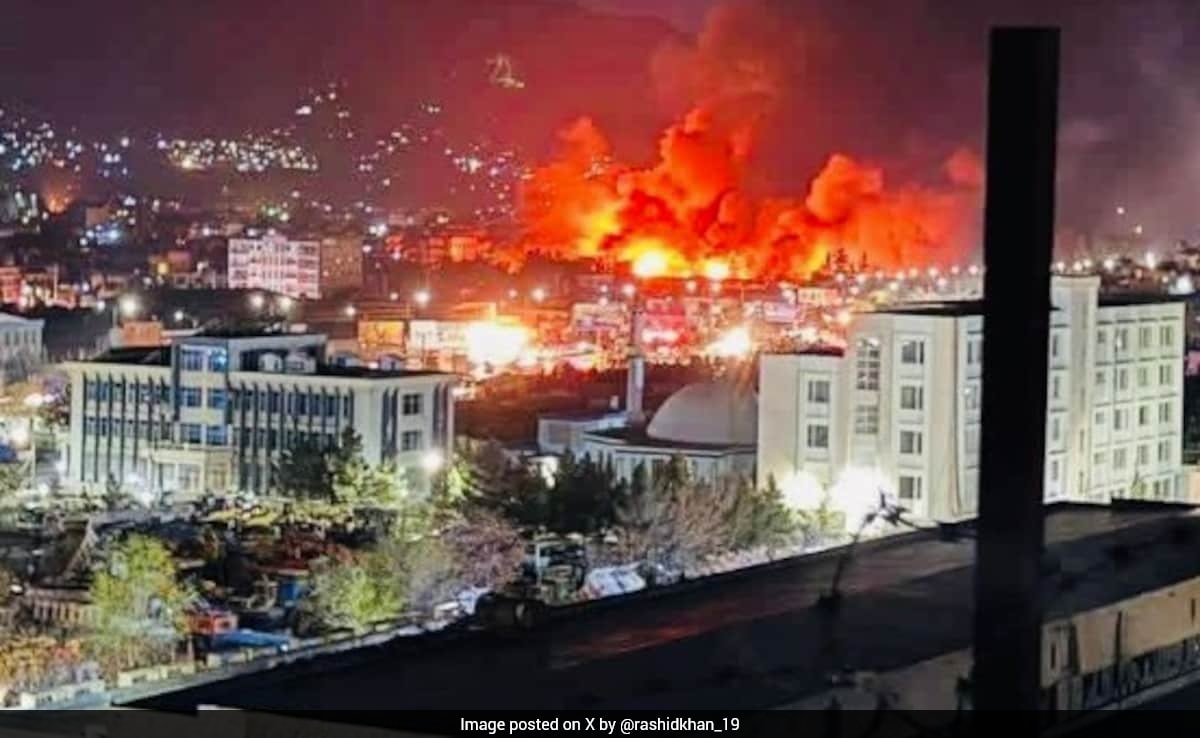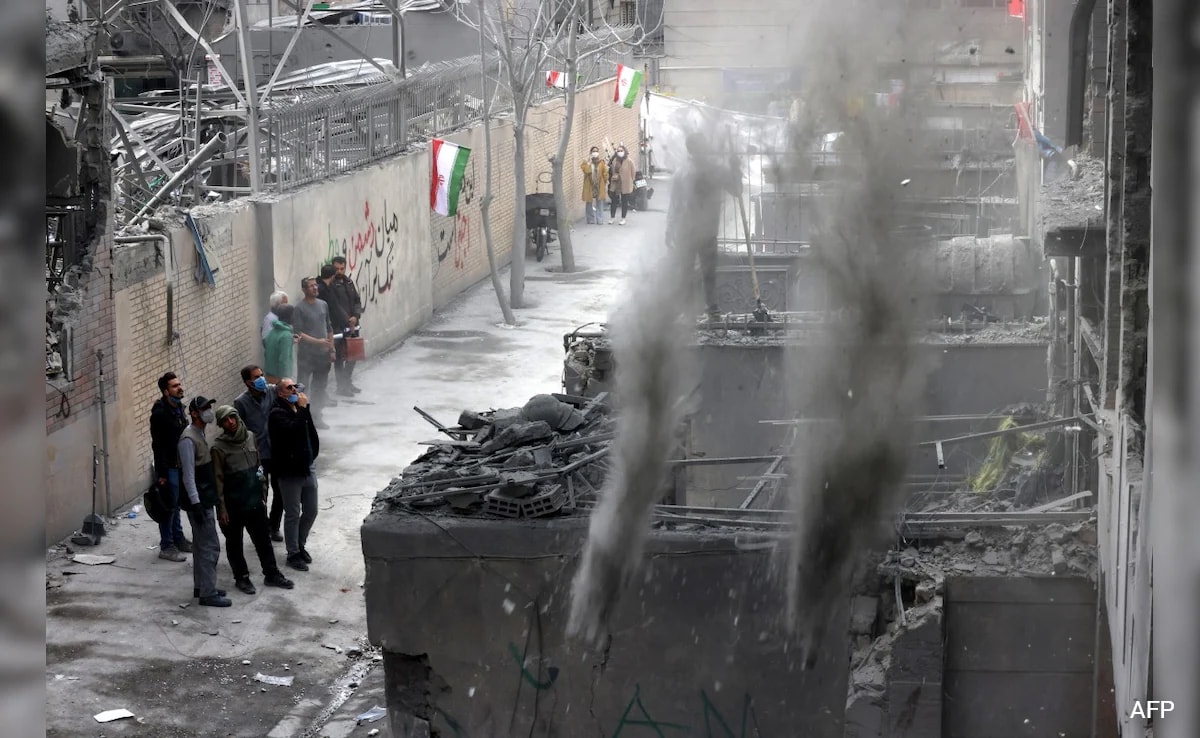
The smoke clears, the sirens fade, and the satellite imagery counts the craters. These are the metrics of modern warfare we understand. However, the true casualty count from the recent bombing in Iran is currently being written in the lungs and bloodstreams of civilians miles away from the blast radius. When high-grade explosives meet industrial infrastructure, the resulting chemical plume creates a secondary theater of conflict that persists long after the Tomahawks have landed. This is not just about debris. It is about the specific, lethal transformation of heavy metals and synthetic compounds into breathable micro-particulates that the human body is not equipped to filter.
The immediate destruction of a target is a kinetic event. The subsequent environmental fallout is a biological one. In the localized atmosphere following these strikes, the concentration of toxic airborne pollutants has spiked to levels that render standard air quality indices irrelevant. We are seeing a cocktail of pulverized concrete, asbestos, and uncombusted fuel oil mixing with more exotic toxins from specialized manufacturing sites. This isn't a "risk" in the abstract sense. It is a documented physiological assault on the population.
The Chemistry of a Kinetic Strike
When a bunker-buster or a precision-guided munition hits a hardened target, the heat generated is sufficient to vaporize materials that are normally inert. In the industrial corridors of Iran, where petrochemical plants and metallurgical facilities are often clustered near urban centers, the results are catastrophic. We aren't just looking at smoke. We are looking at the aerosolization of lead, mercury, and chromium.
These heavy metals do not simply drift away. They bind to dust particles and settle into the soil and water tables. More importantly, they enter the "fine particulate" category, specifically PM2.5. These particles are small enough to bypass the nose and throat, settling deep in the lungs and crossing directly into the blood. Once there, they trigger systemic inflammation. For a child in a nearby residential district, a single afternoon of breathing this "war haze" can result in a lifetime of respiratory insufficiency or neurological developmental delays.
The military planners call this "collateral effects." A more honest term would be "delayed lethality." By destroying a facility, the strike also destroys the containment systems for every hazardous material inside. The atmosphere becomes the transport mechanism for a decentralized poison gas attack, minus the international outcry that follows actual chemical weapons.
Infrastructure as a Weapon
There is a grim irony in the way modern precision bombing works. By being "accurate," the weapons often target the most vital organs of a nation's economy—its power plants, its refineries, and its storage hubs. But these are precisely the locations where the most dangerous chemicals are housed.
When a fuel depot burns, it releases polycyclic aromatic hydrocarbons (PAHs). These are potent carcinogens. In the recent strikes, the duration of the fires—some lasting over 48 hours—ensured that a steady stream of PAHs was pumped into the prevailing winds. Depending on the wind shear and atmospheric pressure, these plumes can travel hundreds of kilometers before losing their concentration.
The Problem of Particulate Persistence
Standard environmental remediation involves containing a spill. You cannot contain a cloud. The toxic airborne pollutants from bombing in Iran are currently settling on agricultural land. This introduces the toxins into the food chain. If a strike hits a facility involved in electronics or missile component manufacturing, you introduce halogenated flame retardants and specialized resins into the air.
These compounds are "forever chemicals." They do not break down in the sunlight. They wait. They sit in the dust on a windowsill or the silt in a local creek. When a dry wind kicks up three months from now, that dust will be kicked back into the air, and the cycle of inhalation begins again. This is the "tail" of the strike—a period of heightened toxicity that can last for years.
Healthcare Systems Under Seige
The Iranian healthcare system, already strained by sanctions and previous internal crises, is now facing a surge in acute respiratory distress cases that do not respond to typical treatments. This is because the irritation isn't just viral or bacterial; it is chemical.
Doctors in the affected regions are reporting a "war cough" among patients who were nowhere near the explosions. This is characterized by severe inflammation of the bronchial tubes and, in some cases, chemical pneumonitis. Because the specific composition of the bombed targets is often a state secret or classified by the attacking force, medical professionals are flying blind. They do not know exactly what their patients have inhaled.
"The lack of transparency regarding the materials housed in these facilities makes effective triage nearly impossible. We are treating symptoms without knowing the cause." — Anonymous Medical Official, Tehran Province.
This lack of data is a choice. Every intelligence agency that selects a target knows exactly what chemicals are likely on-site. Sharing that data with international health organizations would mitigate the human cost, but it would also reveal the depth of the intelligence "take." So, the civilians breathe the mystery, and the doctors guess the cure.
The Long Shadow of Heavy Metals
We have seen this pattern before, notably in the Balkans and during the Gulf War. The use of depleted uranium (DU) in armor-piercing rounds is a primary example of how military technology creates long-term health crises. While the current strikes in Iran may or may not involve DU, the pulverization of industrial-grade hardened steel and tungsten achieves a similar effect.
When these metals are inhaled, they don't just stay in the lungs. They migrate to the bones and the brain. The result is a spike in rare cancers and autoimmune disorders that will not manifest for another five to ten years. By the time the cancer wards are full, the "bombing campaign" will be a footnote in a history book, and the link between the two will be dismissed by the aggressors as "unverifiable."
The Vulnerability of the Young
Physiologically, children are at much higher risk. They breathe more rapidly than adults, meaning they take in a higher volume of air relative to their body weight. They are also shorter, placing them closer to the ground where heavier toxic particulates settle. A child playing in a park five miles from a bombed refinery is essentially standing at the end of an exhaust pipe of a burning chemical plant.
We are currently witnessing a massive, uncontrolled experiment in human toxicology. Without immediate intervention—air filtration, soil testing, and mass relocation of the most vulnerable—the regional health impact will dwarf the immediate death toll of the missiles.
The Reality of Atmospheric Dispersion
The narrative that a strike is "clean" because it hit its target is a myth manufactured for public consumption. No strike is clean. Every explosion is a release of energy that disrupts the local environment in a chaotic, unpredictable way.
The topography of Iran, with its high mountain ranges and deep basins, often traps these toxic plumes in "inversion layers." Instead of dispersing into the upper atmosphere, the poison sits over the cities. It becomes a stagnant fog of heavy metals and charred hydrocarbons. This is what the residents of the affected zones are waking up to every morning.
The international community's silence on this issue is a matter of political convenience. Admitting the scale of the toxic airborne pollutants would require a re-evaluation of the legality of these strikes under international environmental law. It is easier to talk about "strategic objectives" than it is to talk about the blood-lead levels of toddlers in a Tehran suburb.
The data that is trickling out, despite the communication blackouts, paints a grim picture. Air quality monitors—the few that remain operational—are showing levels of sulfur dioxide and nitrogen dioxide that are off the charts. These are the precursors to acid rain, which will eventually damage the very crops the population relies on for survival. The strike didn't just hit a building; it hit the ecosystem.
If you are looking for the true cost of this conflict, stop looking at the craters. Look at the pharmacies. Look at the pediatric wards. Look at the haze that refuses to lift from the valleys. The war isn't over when the planes go home. For the people breathing this air, the war is just beginning, and it is a battle they are being forced to fight without masks, without information, and without an end in sight.
Check the prevailing wind patterns in your region and cross-reference them with known industrial strike zones to assess your local exposure risk.