Washington is checking its watch, but Tehran isn't even looking at the clock. If you're following the headlines today, May 10, 2026, you've seen the narrative: the US has laid a 15-point "comprehensive" proposal on the table, and Iran is "reviewing" it. US Secretary of State Marco Rubio expected an answer days ago. President Trump is signaling that a deal is "very close" before his high-stakes trip to China. Yet, the silence from the Iranian Foreign Ministry is deafening.
It’s not because they’re slow readers.
Iran isn't just "taking its time." It’s executing a deliberate stall, turning silence into a weapon of leverage while the global economy shivers under the weight of a closed Strait of Hormuz. You want to know why they haven't signed yet? It's because the current US proposal feels more like a supervised surrender than a peace treaty, and the folks in Tehran know that the longer they wait, the more desperate the West becomes for oil to flow again.
The leverage of the empty tanker
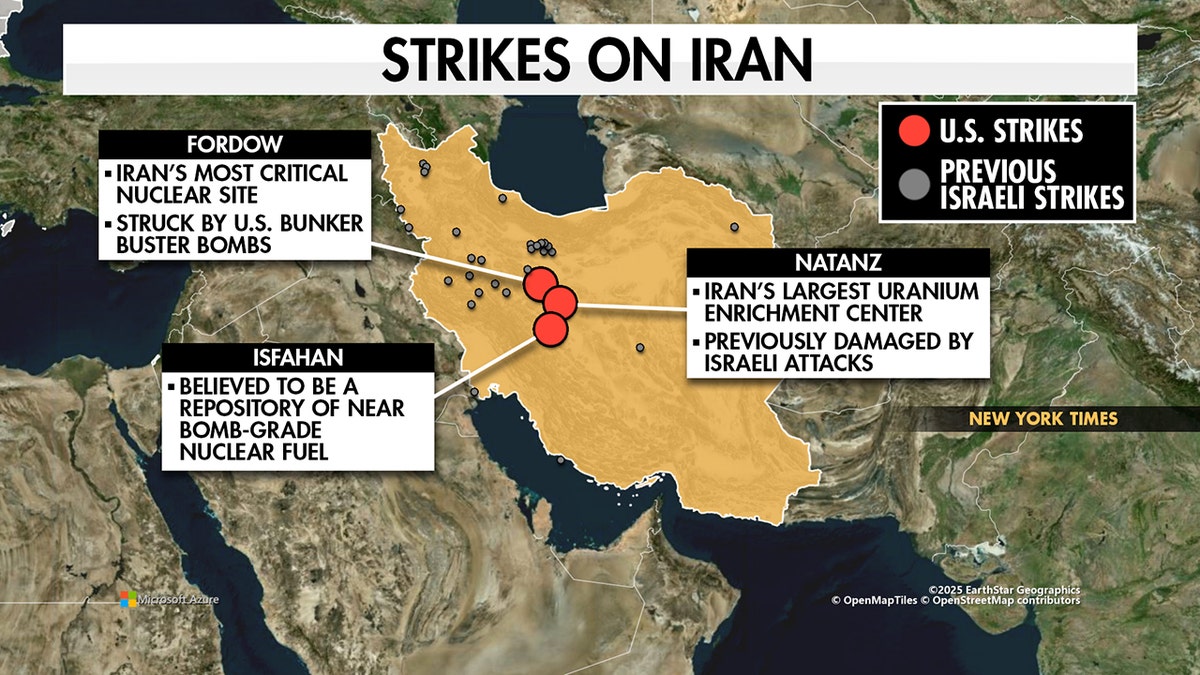
The biggest reason for the delay is the Strait of Hormuz. By shutting it down, Iran has effectively put a chokehold on 20% of the world’s petroleum and nearly a third of its liquefied natural gas. Just yesterday, a Qatari LNG tanker was spotted heading toward the Strait—the first since the war started. That's a massive deal.
But Iran knows that once they sign a ceasefire, they lose that "on/off" switch for the world economy. The US proposal demands an immediate and permanent reopening of the Strait. For Tehran, that’s their only real bargaining chip. If they give it up in Phase 1 of a deal, what's to stop the US from dragging its feet on the sanctions relief promised in Phase 2? They’ve been burned by Western "promises" before—think back to the 2015 JCPOA—and they aren't about to hand over their only leverage for a "trust me" from Washington.
Internal chaos and the power vacuum
Let’s get real about what’s happening inside Iran right now. The reported death of Supreme Leader Ali Khamenei in late February has left a gaping hole in the country’s decision-making structure. You don’t just "respond" to a US proposal when your internal factions are fighting for the soul of the Islamic Republic.
- The Pragmatists: They want the sanctions lifted and the war ended before the economy totally implodes.
- The IRGC Hardliners: They see any deal with Trump as a betrayal of the revolution and would rather keep fighting a "war of attrition."
- Foreign Militias: Reports of Iraq's Hashd al-Shaabi manning checkpoints in Tehran suggest the regime is terrified of domestic unrest.
When you have foreign militias policing your capital, you aren't in a position to sign a deal that looks weak. Any response sent to Pakistan (the current mediator) has to be vetted by a dozen different power players who currently hate each other.
The "15 points" vs the "10 points"
The gap between the two sides isn't a crack; it’s a canyon. The US 15-point plan is aggressive. It demands an end to the nuclear program, strict limits on missiles, and a regional framework that essentially neuters Iran’s influence in Lebanon and Yemen.
In contrast, Iran’s 10-point counter-proposal is "maximalist." They aren't just asking for a ceasefire; they’re demanding:
- Full withdrawal of all US forces from the Middle East.
- War reparations for the damage caused since February.
- Lifting of all sanctions, not just the nuclear-related ones.
- A regional security protocol where Iran helps regulate the Strait.
Iran is waiting to see if the US will blink. With Trump’s approval ratings hovering around 34% and domestic opposition to the war growing, Tehran thinks they can wait for a better offer. They aren't interested in a "temporary pause" that lets the US reload and reposition its carrier groups. They want a permanent end to the "maximum pressure" era, or they’ll keep the world’s oil under lock and key.
What to watch for in the next 48 hours
Don't expect a simple "yes" or "no." Iran’s strategy is "negotiation under fire." Even as they "review" the proposal, they’re accusing the US of violating the existing shaky truce by disabling tankers. This allows them to claim the moral high ground and justify more delays.
If you’re looking for signs of a breakthrough, watch the shipping data in the Persian Gulf. If more tankers start moving toward the Strait of Hormuz without being intercepted by the Revolutionary Guard, it means a back-channel deal is likely done. Until then, the "review process" is just theater.
Next steps for following this:
- Monitor the Pakistani Foreign Ministry’s briefings; they are the only ones seeing the actual drafts.
- Watch for any official "victory" rhetoric from Tehran—they won't sign unless they can frame it as a win to their own people.
- Keep an eye on oil futures; the market's volatility will tell you more about the deal's likelihood than any White House press release.