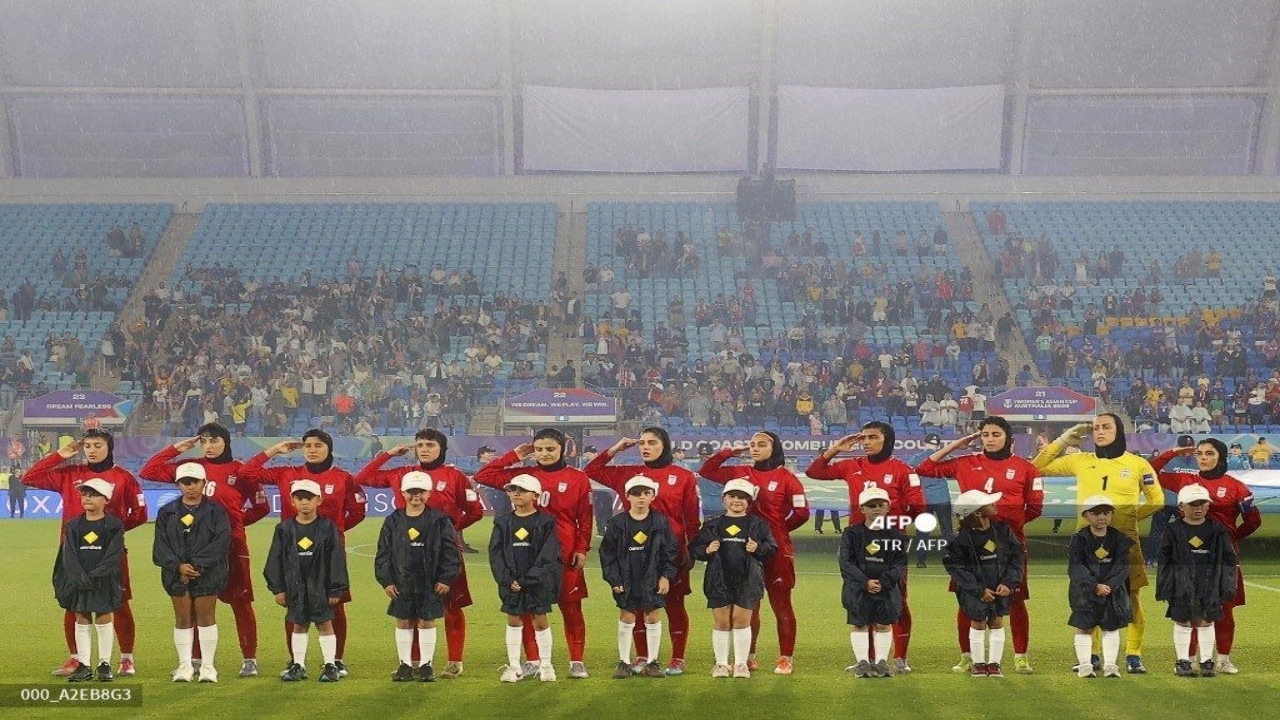
The final whistle didn't just signal the end of a match. It signaled the end of a historic, messy, and ultimately heartbreaking debut. When the Iran football team exits Women's Asian Cup play, they aren't just leaving a tournament. They’re returning to a domestic reality that remains lightyears behind the ambition they showed on the pitch in India.
They came in as the ultimate underdogs. Most analysts didn't give them a prayer of even scoring, let alone competing. While the scoreboard often looked lopsided, the narrative beneath the surface was far more complex. This wasn't just about losing games. It was about a group of women proving they belonged in the same stadium as Asia’s elite, despite every institutional hurdle thrown their way.
A brutal reality check on the big stage
Let’s get real about the numbers. The scorelines weren't pretty. Facing giants like China and India (before India’s COVID-19 withdrawal) was always going to be a mountain too high to climb for a squad that lacks regular international exposure. You can't just flip a switch and beat teams with professional leagues and decades of investment. It doesn't work that way.
The gap in fitness and tactical awareness was clear. Teams like China play with a speed and a spatial understanding that only comes from years of high-level competition. For Iran, this tournament was a massive, painful learning curve. They looked gassed by the 60th minute in several stretches. That's not a lack of heart. It’s a lack of the high-performance infrastructure that defines modern women’s football.
- Game 1 vs India: A gritty 0-0 draw that felt like a win.
- Game 2 vs China: A 7-0 crushing that exposed the defensive cracks.
- Game 3 vs Taiwan: A 5-0 loss that sealed their fate.
These results aren't just statistics. They're a roadmap. They show exactly where the investment needs to go. We're talking about sports science, nutrition, and, most importantly, more friendly matches against top-50 opponents.
Why the Iran football team exits Womens Asian Cup with their heads high
If you only look at the goals conceded, you're missing the point entirely. Zohreh Koudaei became a symbol of resilience under pressure. The goalkeeper faced more than just shots on goal; she faced a grotesque gender verification controversy sparked by the Jordan Football Association. She handled it with a level of grace and defiance that many seasoned male professionals would struggle to muster.
The team played under a microscope. Every movement, every kit choice, and every emotional outburst was scrutinized by both a domestic audience and an international community. They didn't crumble under the weight of that. Instead, they used the platform to show that Iranian women are athletes first. They’re competitors.
There's something deeply impressive about a team that knows it's outmatched but keeps pressing. They didn't park the bus and hope for the best for 90 minutes. They tried to build play. They tried to find gaps. Sometimes they got punished for that ambition. But that’s how you grow. You don't get better by hiding in your own box.
The systemic barriers back home
Now comes the hard part. The team returns to a country where women's football is still fighting for scraps. You can't expect a national team to thrive when the domestic league is underfunded and rarely televised. Sponsors are hesitant. Training facilities are often substandard compared to the men’s side.
The Iranian Football Federation has a choice to make. They can treat this exit as a one-off adventure and let the program stagnate. Or they can see it as the foundation for something sustainable. If they choose the latter, they need to stop treating the women's game as a secondary concern. That means equal access to the best pitches, the best coaches, and the best medical staff.
The psychological toll of the return journey
Returning home after a high-profile exit is never easy for any athlete. For these women, it’s even more layered. They’ve tasted the international stage. They’ve seen what professional setups look like in countries like South Korea and Australia. Going back to a reality where they might struggle for basic recognition is a massive psychological hurdle.
We often talk about the "post-tournament blues." For the Iran football team, it's more like a post-tournament reality check. They need a support system that doesn't just evaporate once the cameras are off. The federation needs to ensure these players have a clear path forward, including coaching opportunities and roles within the sport after their playing days are over.
What the fans get wrong about this exit
I've seen the comments online. "Why bother if they're going to lose 7-0?"
That's the kind of short-sighted thinking that kills sports. You bother because every 7-0 loss today is a 3-0 loss tomorrow and a 1-0 win five years from now. Look at the history of Japanese women's football or even the USWNT in their earliest days. They didn't start as world-beaters. They started as teams that were willing to take their lumps while they built a culture.
The Iranian fans who traveled to India and those cheering from home are the lifeblood of this movement. Their vocal support is the only thing that forces the powers that be to take notice. If the fans keep demanding better, the federation eventually has to deliver.
Moving past the heartbreak
The Iran football team exits Women's Asian Cup competition, but the momentum shouldn't stop at the airport. This was a proof of concept. It proved that the talent exists. It proved that the hunger is there.
The next step isn't a "review" or a "strategic committee." It’s a budget increase. It’s a commitment to a full calendar of matches for the next four years. It’s about building a grassroots system that finds the next Koudaei or the next Behnaz Taherkhani before they’re 18, not after.
Iranian women's football has finally stepped out of the shadows. The light might be harsh right now, but it's better than the dark. They showed the world they can play. Now it's up to the stakeholders to show they can support them.
Stop waiting for the "perfect moment" to invest in these athletes. The moment was ten years ago. The second best moment is today. Every day of inaction is a day of wasted potential for a generation of girls who watched these games and realized that a career in football isn't just a dream—it's a possibility.
Pressure your local sports clubs to open more girls' divisions. Demand better coverage from sports media. Follow these players on social media and show the sponsors that there is a massive, untapped market waiting for them. The exit from the cup is just a comma in the story of Iranian football, not a period. Keep the pressure on the federation to fund the youth leagues immediately. Support the players who are vocal about their needs. Don't let this story fade until the next tournament cycle begins.


