The clock is ticking toward midnight, and in the world of high-stakes diplomacy, silence is the loudest noise you’ll hear. Right now, a 14-day ceasefire between the United States and Iran is about to expire, and the second round of talks in Islamabad looks like it’s stuck in the mud. While Pakistan has been working overtime to get both sides back to the Serena Hotel, Tehran is dragging its feet. You might think they're just being difficult, but there's a calculated logic behind the delay.
If the clock hits zero at 0000 GMT Wednesday without an extension, the "lots of bombs" President Donald Trump warned about on social media could become a reality. This isn't just about a missed meeting; it's about whether the Middle East slides back into a full-scale war that’s already claimed over 2,100 lives.
The Strategy Behind Tehran's Silence
Iran isn't delaying because they’ve lost interest. They’re delaying because they’re being squeezed. Foreign Ministry spokesperson Esmaeil Baqaei isn't hiding the frustration, pointing to "contradictory messages" coming out of Washington. On one hand, you have the U.S. negotiating team led by Vice President JD Vance; on the other, you have Trump threatening to "eliminate" any Iranian ship that touches the naval blockade in the Strait of Hormuz.
For the Iranian leadership, showing up too early looks like a surrender. Parliamentary Speaker Mohammad Bagher Qalibaf made it clear on X: they don't negotiate under the shadow of threats. By waiting until the final hours, Tehran is trying to reclaim some leverage. They want to show they aren't desperate, even though the U.S. blockade is choking their ports and the economy is in a tailspin.
What Actually Happened in Round One
To understand why Round 2 is so shaky, you have to look at the wreckage of the first round. Earlier this April, the world watched a historic moment: the first direct, high-level, face-to-face talks between the U.S. and Iran since 1979. It was a 21-hour marathon. Vance, Jared Kushner, and Steve Witkoff sat across from Qalibaf and Foreign Minister Abbas Araghchi.
The talks didn't fail because of a lack of effort. They failed because the gap is a canyon.
- The Nuclear Wall: The U.S. demanded Iran dismantle its nuclear program entirely. Iran wanted a deal better than the old JCPOA, with all sanctions lifted first.
- The Minefield: There’s a bizarre and dangerous dispute over mines in the Strait of Hormuz. The U.S. claims Iran laid them but can't find them to clear them. Iran says the blockade itself is the act of war.
- The Battlefield: While the ceasefire mostly held, the U.S. Navy recently seized an Iranian container ship. Tehran sees this as a blatant violation of the truce.
The Risks of a Ceasefire Expiry
If the deadline passes without a signature or an extension, the region resets to a state of active combat. Trump’s rhetoric hasn't left much room for de-escalation. He’s already boasted about the Iranian Navy being "completely obliterated," yet warned about "fast attack ships" that still pose a threat.
The consequences of the ceasefire ending aren't just military; they’re global:
- Oil Prices: A fifth of the world’s oil goes through that strait. If the shooting starts again, your gas prices will go through the roof.
- The Blockade: The U.S. is poised to tighten the noose on Iranian ports. This isn't just a trade restriction; it's a "dark transit" hunt that risks pulling in other powers like China, which is reportedly prepping air defense systems for Tehran.
- The Human Cost: We’re looking at over a million people already displaced in Lebanon and the region. Resuming the war means those numbers will skyrocket.
Pakistan's Role as the Middleman
It’s easy to overlook Pakistan in this, but they’ve become the indispensable mediator. Prime Minister Shehbaz Sharif and Field Marshal Asim Munir have been the ones relaying messages when the principals refuse to talk. Munir even flew to Tehran recently to keep the process on life support.
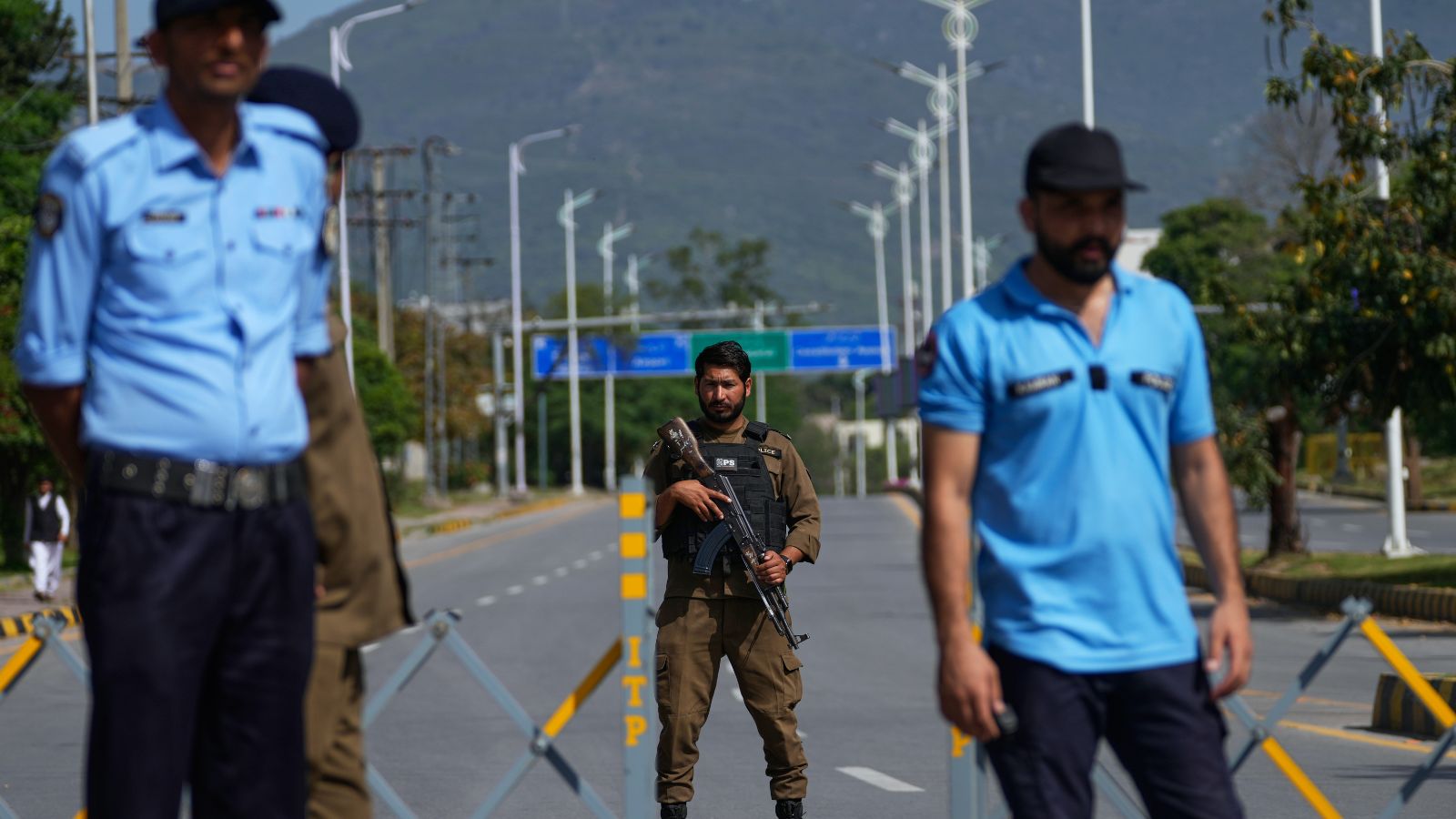
Pakistan isn't doing this out of the goodness of their hearts. They’re a neighboring country that can’t afford a total Iranian collapse or a massive refugee crisis on their western border. They need this deal to work as much as anyone, which is why they’ve declared public holidays in Islamabad just to keep the streets clear for the motorcades.
What Happens Next
We’re at the "put up or shut up" moment. If you’re looking for a sign of hope, watch for a last-minute extension of the ceasefire—even a 48-hour window would mean the diplomatic channel is still open.
If Tehran confirms their delegation is landing in Islamabad, it’s a signal they’ve found a way to save face. If not, the blockade becomes the new front line. Watch the Strait of Hormuz. If we see more ship seizures or "accidental" skirmishes in the next 24 hours, the Islamabad talks won't just be delayed—they'll be dead.
Keep an eye on the official state media feeds from Tehran. They usually signal the move an hour or two before it happens. If the rhetoric shifts from "unreasonable demands" to "regional stability," a deal might still be on the table.