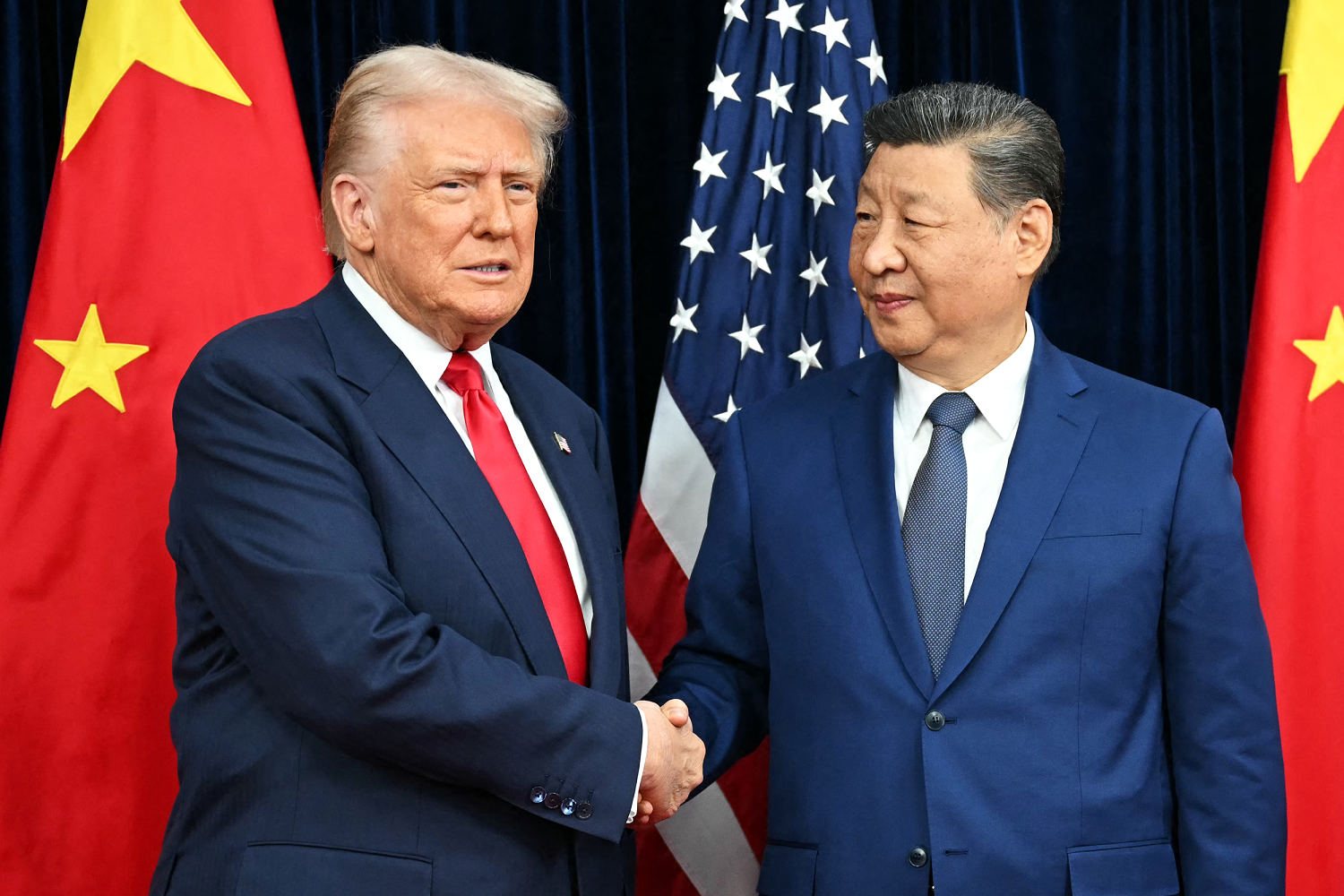
The mainstream media is choking on its own narrative again. Every major outlet is currently peddling the same tired story: Washington is "delaying" a critical summit with Xi Jinping because the Middle East is on fire. They want you to believe that the White House is distracted, overwhelmed by the logistics of a regional conflict, and forced to put the "real" work of trade diplomacy on the back burner.
They are dead wrong.
This isn't a scheduling conflict. It isn't a "unfortunate delay" caused by the fog of war. It is a deliberate, cold-blooded tactical pivot. The "Iran distraction" is the most effective piece of geopolitical leverage the U.S. has used in a decade, and Beijing knows it. While pundits mourn the loss of "dialogue," the reality is that the U.S. just pulled the chair out from under a Chinese economy that was desperate for a photo-op to stabilize its free-falling markets.
The Myth of the Distracted Superpower
The "lazy consensus" suggests that a government can only do one thing at a time. It assumes that if there are missiles flying in the Levant, the Treasury and State Departments suddenly lose the ability to negotiate tariffs or intellectual property rights.
That is amateur hour thinking.
The U.S. isn't delaying the meeting because it’s busy; it’s delaying the meeting because time is a weapon. Every week that passes without a formalized "thaw" in U.S.-China relations is a week that capital continues to flee the Mainland. By citing the Iran conflict as the reason for the delay, Washington achieves three things simultaneously:
- It signals to global markets that China is no longer the top priority, causing a massive "relevance discount" on Chinese equities.
- It forces Beijing to wait in the lobby like a junior partner while the "adults" handle global security.
- It keeps the current, crushing tariffs in place for another "month or so" without having to justify the lack of progress to the domestic business lobby.
I’ve spent years watching trade negotiations from the inside. When a superpower says they are "too busy" to talk to you, they aren't actually busy. They are telling you that your leverage has evaporated.
Why Beijing Needed This Meeting (And Why We Denied It)
China’s internal numbers are a disaster. We aren't talking about the polished GDP figures they feed to the press; we’re talking about the raw electricity consumption, the cratering property values in Tier-2 cities, and the terrifying youth unemployment rates.
Xi Jinping didn't want this meeting to "fix" trade. He wanted it to provide a signal of stability. A handshake with the U.S. President is a "Buy" signal for foreign institutional investors who are currently looking for any excuse to exit their positions in Shanghai and Shenzhen.
By pushing the meeting back, the U.S. is effectively extending the "Risk Premium" on anything involving Chinese manufacturing.
The Fallacy of "Urgent Diplomacy"
People often ask: "Isn't it dangerous to stop talking to a nuclear-armed rival during a global crisis?"
This question is flawed because it assumes that "talking" equals "safety." In the world of high-stakes trade, talking is often just a way to stall for time. If the U.S. had sat down with Xi this week, they would have been forced to offer concessions to prevent a total decoupling. By moving the goalposts under the guise of the Iran conflict, the U.S. keeps the status quo—which currently favors the dollar—without having to give up a single inch of ground on technology transfers or semiconductor bans.
The Iran-China Connection Nobody Mentions
The competitor articles treat the Iran war and the China trade war as two separate tabs in a browser. They aren't.
Iran is China’s primary source of discounted, "shadow market" oil. Every strike on Iranian infrastructure or every tightening of the naval blockade in the Strait of Hormuz is a direct tax on the Chinese industrial machine.
Imagine a scenario where the U.S. isn't "distracted" by Iran, but is instead using the Iran conflict to systematically dismantle China's energy security. By delaying the Xi meeting, the U.S. is letting the pressure of high energy costs and supply chain uncertainty cook the Chinese economy for a few more weeks. It’s like letting a steak rest—except the steak is a $17 trillion economy and the "resting" is actually a slow-motion strangulation.
The High Cost of the "Wait and See" Strategy
Let’s be honest about the downsides. This isn't a risk-free maneuver.
- Supply Chain Volatility: American companies still relying on "Just-in-Time" manufacturing from Guangdong are getting hammered by the uncertainty.
- The BRICS Pivot: The longer the U.S. ignores China, the faster Beijing pushes for an alternative financial system.
- Inflationary Pressures: Tariffs are a tax on the American consumer. Delaying the meeting means delaying any potential relief at the checkout counter.
But these are tactical costs for a strategic gain. The goal isn't "cheap iPhones" anymore; the goal is the preservation of the dollar's hegemony against a challenger that is currently gasping for air.
Dismantling the "Stability" Argument
The most common critique of this delay is that it "creates instability."
Good.
Stability is what you want when you are winning. When you are trying to reorder a global trade system that has been tilted against you for thirty years, stability is your enemy. You want friction. You want the other guy to be unsure of when the next meeting is, what the agenda will be, and whether the person on the other side of the table even cares about his problems.
Stop Asking When the Meeting Will Happen
You’re asking the wrong question. It doesn't matter if they meet in a month, six months, or not at all. The meeting itself is a vestigial organ of 1990s-era "Engagement Policy."
The real story isn't the delay. The real story is that the U.S. has realized it no longer needs to pretend that the "U.S.-China Relationship" is the most important thing in the world. By putting Xi Jinping on hold to deal with a regional power like Iran, Washington has signaled the end of the G2 era.
We aren't in a bipolar world anymore. We are in a world where the U.S. dictates the tempo, and everyone else—Beijing included—is forced to dance to the rhythm of "Check back with us in a month."
If you’re waiting for a "breakthrough" at the next summit, you’ve already lost the plot. The breakthrough happened the moment the U.S. decided that making Xi wait was more valuable than hearing what he had to say.
The delay isn't a failure of diplomacy. It is diplomacy by other means.
Go back and look at the market reactions. Look at the capital flight. Look at the desperate rhetoric coming out of the Chinese Ministry of Foreign Affairs. They aren't acting like a superpower that’s been "delayed." They are acting like a business that just had its line of credit pulled.
The Iran war didn't get in the way of the deal. The Iran war became the deal.
Stop looking for a calendar date and start looking at the balance of power. The U.S. just told the world that China is a secondary concern. That is a shift that no amount of "bilateral cooperation" talk can undo.
The meeting will happen when the U.S. has extracted every bit of leverage from the wait. Not a second sooner.
Welcome to the new era of the snub.