Iran just fired a verbal warning shot that’s louder than its latest missile test. After flatly rejecting Donald Trump’s latest "peace plan," Tehran decided to show off a new piece of hardware with a very specific, and frankly bizarre, warning. Major General Hossein Salami, the head of the Islamic Revolutionary Guard Corps (IRGC), didn't just talk about range or payload. He told the United States to stay back so they "don't get a heart attack" from seeing what Iran has built.
It’s easy to roll your eyes at the hyperbole. Iranian military leaders have a long history of colorful metaphors. But behind the "heart attack" theatrics is the unveiling of the Raad-500 missile and a new generation of satellite launch engines. This isn't just about big talk; it's about a massive leap in technical capability that makes the old "maximum pressure" strategy look increasingly toothless. Also making waves recently: The Empty Pavements of Red Square.
The Raad 500 and the heart attack threat
The Raad-500 isn't just another ballistic missile. It’s a game-changer—oops, let's say it's a massive shift—because of what it's made of. It uses carbon fiber composite materials instead of traditional steel. Why does that matter to anyone who isn't a rocket scientist?
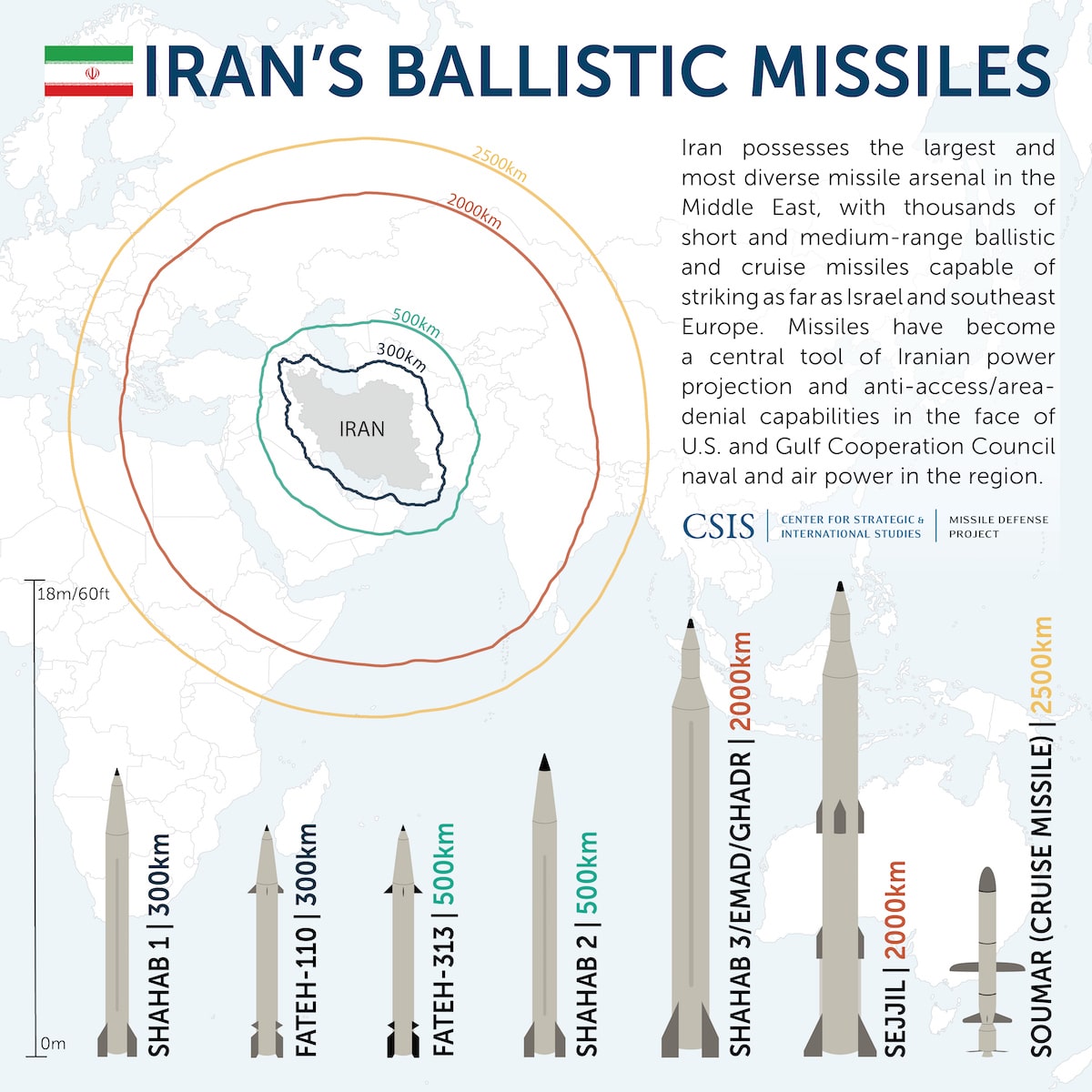
Using carbon fiber makes the missile significantly lighter. In the world of ballistics, less weight means more speed and more distance. The Raad-500 has a range of about 500 kilometers, which is nearly double the range of the older Fateh-110 it’s replacing. Even more critical is the "Zoheir" engine. It’s a movable nozzle engine, meaning the missile can change direction mid-flight. More information on this are covered by Reuters.
When Salami says the U.S. might get a heart attack, he’s talking about the fact that this technology makes Iranian missiles much harder to intercept. If a missile can dodge and weave while screaming toward a target at several times the speed of sound, traditional missile defense systems start to look like expensive lawn ornaments.
Trump’s peace plan was dead on arrival
Tehran’s timing wasn't accidental. The unveiling happened right as they officially buried any hope of engaging with Trump’s "Deal of the Century." To the Iranian leadership, the proposal wasn't a peace plan; it was a surrender document.
You’ve got to look at the context. Iran has been under a crushing weight of sanctions for years. The U.S. goal was to force them to the table to sign a more restrictive deal than the 2015 nuclear agreement. Instead, Iran has doubled down. They’re basically telling Washington that for every economic blow they take, they’re going to respond with a technological leap.
The rejection of the peace plan wasn't just about the terms. It was about the fact that Iran no longer sees the U.S. as a reliable broker. When you tear up an international agreement like the JCPOA, you shouldn't be surprised when the other side decides that building better missiles is a safer bet than signing more papers.
What most people get wrong about Iranian military tech
There’s this common misconception that Iranian military technology is just painted-over Soviet leftovers. That’s a dangerous mistake. The move to composite materials and solid-fuel engines shows a high level of indigenous engineering.
They aren't just buying these parts off the shelf. They've built a domestic industry that can churn out advanced carbon fibers despite being locked out of the global market.
- Precision is the new priority: They aren't just aiming for cities anymore. They’re aiming for specific hangars and command centers.
- Mobility is key: These new missiles are smaller and easier to hide on mobile launchers.
- Cost-effectiveness: Iran can build dozens of these for the price of one American interceptor missile.
I’ve seen plenty of "experts" dismiss these announcements as propaganda. Sure, the "heart attack" line is pure theater for the domestic audience. But the technical specs of the Raad-500 are based on physics that don't care about politics. If you can move a nozzle and use lighter materials, you've got a more dangerous weapon. Period.
The strategy of calculated escalation
Iran is playing a very specific game. They aren't looking for a full-scale war—nobody wins that. They're practicing "calculated escalation." By showing off the Raad-500, they're reminding the U.S. and its regional allies that the cost of an attack on Iran has gone up.
It’s a deterrent. If you know that your multi-billion dollar defense system might miss a missile made of carbon fiber, you’re going to think twice before pushing the "start war" button.
The U.S. responds with more sanctions, and Iran responds with a more advanced engine. It’s a cycle that doesn't seem to have an off-ramp. Trump’s team thought "maximum pressure" would leave Iran with no choice but to cave. Instead, it seems to have accelerated their drive for self-sufficiency in high-tech weaponry.
How this actually affects the region
If you live in the Middle East, this isn't just a headline. It’s a shift in the local balance of power. The Raad-500 puts a lot of high-value targets within reach of a very precise, very fast weapon.
- U.S. Bases: There are dozens of them in the region. They all just became slightly more vulnerable.
- Shipping Lanes: The Strait of Hormuz is already a tinderbox. Faster missiles make controlling that water even easier for Iran.
- Allied Infrastructure: Desalination plants and oil facilities aren't exactly hard to hit if you have precision guidance.
Honestly, the "heart attack" comment is the least interesting part of this story. The real story is that Iran has proven it can innovate under pressure. They’ve moved past the era of just making bigger rockets. They’re now making smarter, lighter, and more agile ones.
Don't expect Tehran to come back to the table anytime soon. They've made it clear that their answer to "maximum pressure" is "maximum resistance," backed by carbon fiber and movable nozzles. If the U.S. wants a different result, it’s probably going to need a different strategy than the one that’s currently being laughed at in Tehran.
Pay attention to the next few satellite launches. Those use the same engine technology as the Raad-500. If those succeed, it means Iran’s intercontinental potential just took a giant step forward. Keep your eyes on the technical data, not just the spicy quotes from the generals.