Iran's "ghost ships" are hitting a wall. For years, the regime in Tehran relied on a sprawling, messy network of aging tankers and anonymous shell companies to keep its oil revenue alive. They used fake flags, turned off transponders, and performed dangerous mid-sea cargo swaps to hide their tracks. But the latest wave of U.S. sanctions, part of the aggressive "Economic Fury" campaign launched by the Treasury Department, proves that the game of hide-and-seek is getting a lot harder for the Iranian regime to win.
If you've been following the energy markets, you know that the shadow fleet isn't just a few rogue boats. It’s a massive parallel shipping industry. In April 2026, the U.S. Office of Foreign Assets Control (OFAC) didn't just go after the ships; they went after the "teapot" refineries in China that buy the oil and the elite families, like the Shamkhanis, who manage the money.
The Teapot Refinery Crackdown
The big news this week centers on Hengli Petrochemical, a massive independent refinery in China. For a long time, these "teapots" operated in a grey zone, buying sanctioned Iranian crude at a discount while the world looked the other way. Not anymore. By sanctioning Hengli, Washington is sending a message to Beijing—if you buy the oil, you're out of the U.S. financial system.
It's a bold move. Hengli is China’s second-largest independent refinery. This isn't some small-time operation; we're talking about billions of dollars in oil purchases that directly fund Iran's military and its regional proxies like Hizballah. When you cut off the buyer, the "shadow" part of the shadow fleet starts to matter a whole lot less.
How the Shadow Fleet Actually Works
You can't understand these sanctions without knowing how these ships operate. They don't just sail from Point A to Point B. They use a playbook of deception that would make a spy novelist blush.
- Flag Hopping: Ships constantly switch their registration between countries like Panama, the Marshall Islands, or Cameroon to stay ahead of inspectors.
- AIS Spoofing: They turn off their Automatic Identification System (AIS) or broadcast fake locations to make it look like they're in the middle of the ocean when they're actually loading oil at an Iranian terminal.
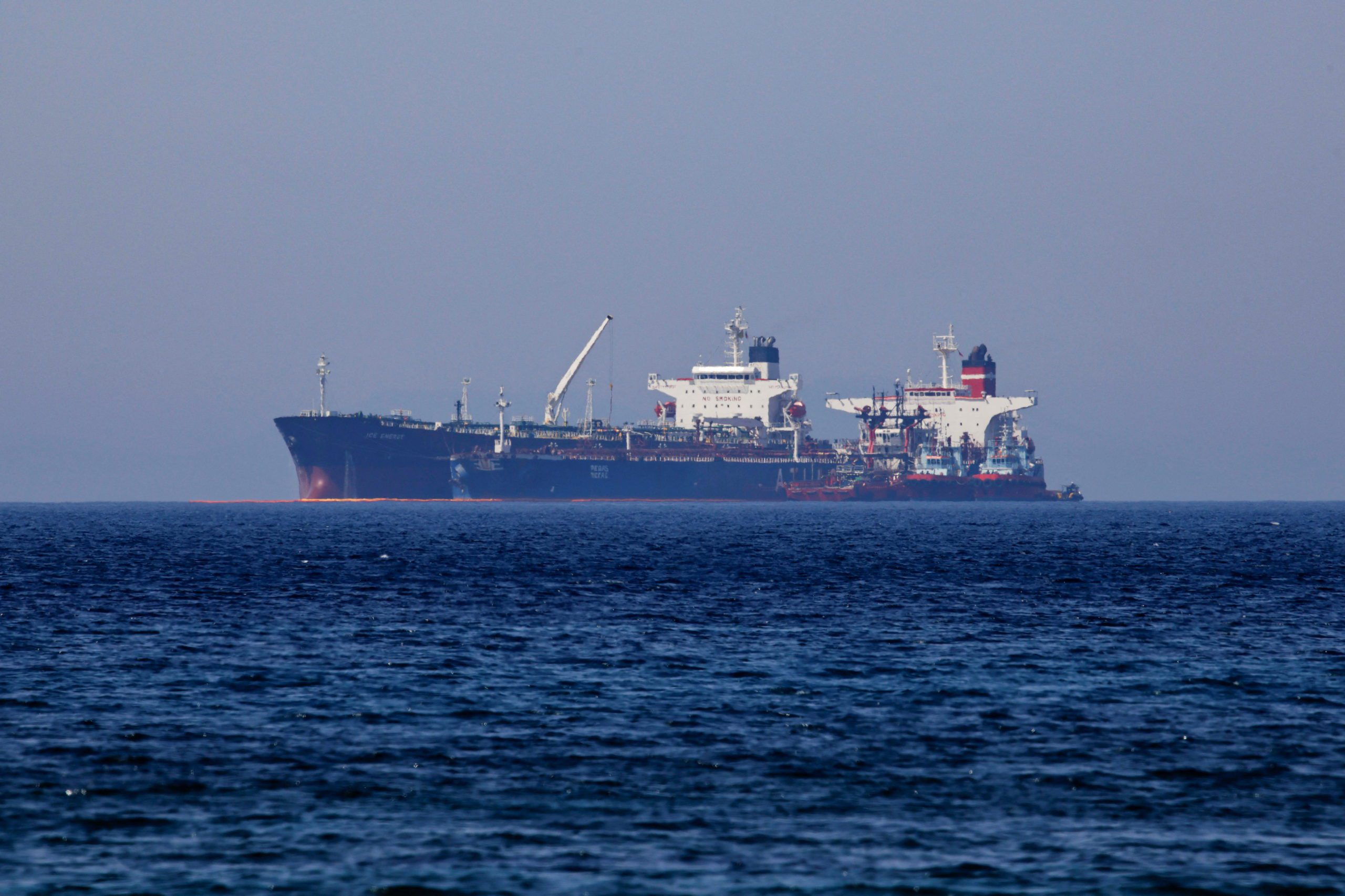
- Ship-to-Ship (STS) Transfers: Two tankers meet in international waters. One is "clean," and the other is carrying sanctioned oil. They pump the cargo from one to the other, often without proper safety equipment, risking massive oil spills.
The U.S. just blacklisted roughly 40 shipping firms and vessels involved in this specific cycle. Some of these ships, like the BIG MAG and the GALE, have been moving Iranian crude for years. By naming them, the U.S. effectively turns them into floating junk. No reputable port will let them dock, and no legitimate insurance company will touch them.
The Shamkhani Connection and the Oil-for-Gold Scheme
This isn't just about ships; it’s about the people behind the curtain. OFAC recently targeted Mohammad Hossein Shamkhani, the son of a high-ranking (and now deceased) Iranian security official. The Treasury Department claims he ran a multi-billion dollar operation selling both Iranian and Russian oil.
Think about that. The same network moving Iran's oil was also helping Russia bypass its own sanctions. It’s a consolidated web of illicit trade.
Then there's the gold. In a joint investigation with Homeland Security, the U.S. uncovered a "zombie tanker" scheme where Iranian oil was sent to Venezuela in exchange for gold. That gold was then flown back to Iran to fund the Islamic Revolutionary Guard Corps (IRGC). It's a desperate, circular economy designed to avoid banks entirely.
Why This Matters for Global Shipping
The shadow fleet is a ticking time bomb for the environment. These vessels are usually old—often over 20 years—and they don't have standard Protection and Indemnity (P&I) insurance. If one of these tankers leaks in the English Channel or the South China Sea, there’s no one to pay for the cleanup.
Analysts estimate that the shadow fleet now makes up more than 18% of the global oil tanker fleet. That’s over 1,100 ships operating outside the law. By tightening the screws, the U.S. is trying to force these ships out of the water before a disaster happens.
What Happens Next
If you're involved in maritime logistics or international trade, the "Economic Fury" campaign is your new reality. The U.S. is using a "strict liability" standard. This means if you wittingly or even unwittingly deal with a sanctioned vessel or entity, you're on the hook for massive fines.
Don't wait for a formal notice from your bank. You need to start auditing your entire supply chain.
- Check the SDN List Weekly: The Specially Designated Nationals (SDN) list is growing at an unprecedented rate—over 1,000 entities have been added since early 2025.
- Verify Vessel History: Use satellite tracking data to see if a ship you’re dealing with has ever "gone dark" near Iranian waters.
- Scrutinize Ownership: Look past the shell company in the Marshall Islands to find the ultimate beneficial owner.
The era of "don't ask, don't tell" in oil shipping is over. Washington is watching the waves, and they've got a very long memory.