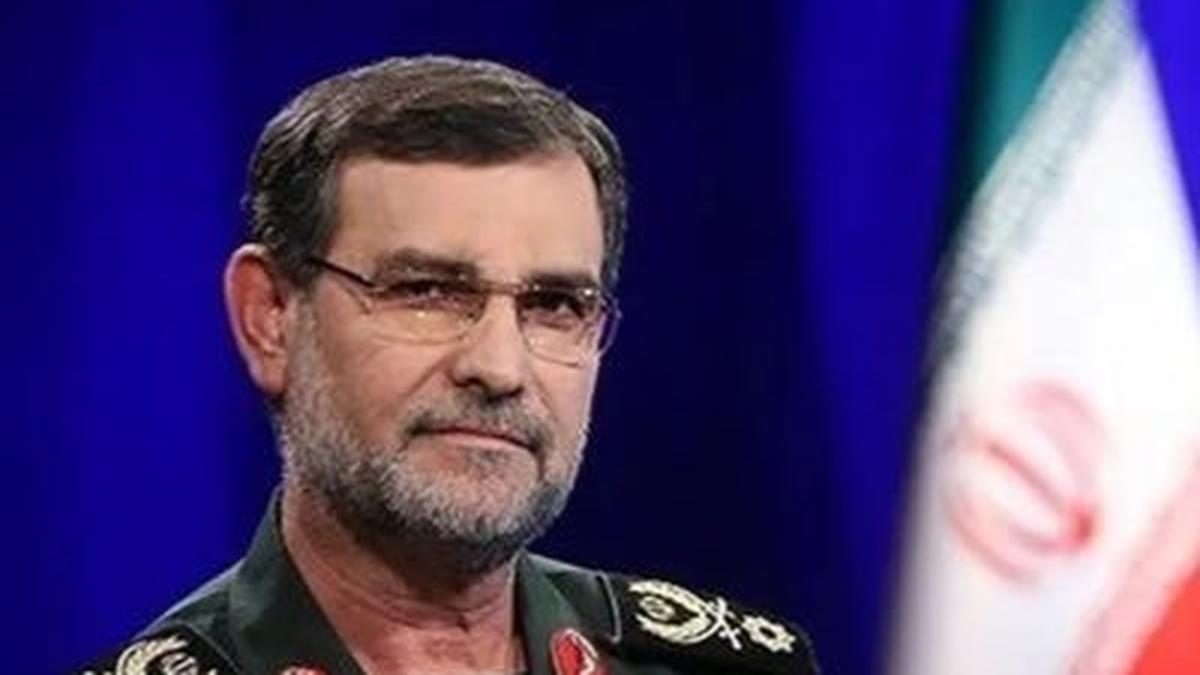
The targeted elimination of a high-ranking Islamic Revolutionary Guard Corps (IRGC) naval commander, recently signaled by Israeli defense officials, marks a violent shift in the long-standing "war between the shadows." For years, Israel and Iran have engaged in a calibrated exchange of cyberattacks, maritime sabotage, and proxy skirmishes. This strike, however, shatters the unspoken rules of engagement. By removing a key architect of Iran’s naval strategy, Israel is not just trimming the grass; it is pulling up the roots of Tehran’s maritime insurgency.
The implications are immediate and severe. Iran’s naval arm, specifically the IRGC Navy (IRGCN), operates as a distinct entity from the regular Artesh navy. It focuses on asymmetrical warfare, using fast-attack craft, sea mines, and "suicide" drones to control the strategic chokepoints of the Persian Gulf and the Red Sea. Losing a top-tier commander in a precision strike suggests a massive intelligence failure within the IRGC's inner sanctum. It signals that the digital and human intelligence nets draped over the region have become transparent to Israeli mossad and military intelligence.
The Intelligence Breach Behind the Blast
High-level assassinations of IRGC officials do not happen in a vacuum. They are the result of months, sometimes years, of pattern-of-life analysis. To hit a naval commander, the strike team required real-time telemetry on a moving target or a deep breach of encrypted communication channels. This is where the technical superiority of the Israeli defense apparatus meets the gritty reality of physical warfare.
The IRGC has historically relied on localized, fragmented command structures to avoid this exact scenario. By keeping commanders isolated and their movements erratic, they hoped to evade the reach of long-range precision munitions. That strategy failed. The strike indicates that Israel has likely compromised the IRGC's "secure" mobile networks or has placed assets deep enough within the Iranian military hierarchy to provide precise coordinates.
This isn’t just a loss of personnel. It is a loss of institutional memory. In a military organization built on personal loyalty and idiosyncratic command styles, the death of a senior leader creates a vacuum that cannot be filled by a simple promotion. The specific tactics used by the IRGCN in the Red Sea—harassing commercial shipping and providing logistics to Houthi rebels—are often the brainchild of specific tactical geniuses. When those geniuses are removed, the operations frequently stumble into chaos.
Maritime Insurgency and the Red Sea Chessboard
To understand why this commander was targeted now, one must look at the broader maritime map. The Red Sea has become a primary theater for Iranian influence, executed through the IRGCN's expertise in unconventional naval warfare. By arming the Houthis and maintaining a persistent presence in international shipping lanes, Iran has created a "kill switch" for global trade.
Israel’s defense establishment views this as an existential threat. A significant portion of Israel’s imports and exports pass through these waters. If the IRGC can effectively close the Bab el-Mandeb strait or make the cost of insurance for merchant vessels prohibitive, they can strangle the Israeli economy without ever firing a missile at Tel Aviv.
The strike on the naval commander is a direct response to this maritime buildup. It is a loud, kinetic message that Israel will not allow the IRGC to operationalize the high seas as a private playground. The timing suggests that the commander in question may have been overseeing a specific escalation—perhaps the deployment of more advanced anti-ship cruise missiles or the establishment of a permanent IRGCN presence on unoccupied islands in the southern Red Sea.
The Asymmetric Response Trap
Iran now faces a strategic dilemma. If they do not respond, they appear weak to their proxies and their own hardline internal factions. If they respond too aggressively, they risk a full-scale regional war that the Iranian economy, currently reeling from sanctions and internal dissent, cannot sustain.
Typically, the IRGC prefers the "death by a thousand cuts" approach. This involves:
- GPS Jamming: Scrambling signals for commercial tankers to force them into Iranian waters.
- Limpet Mines: Attaching explosives to the hulls of ships while they are anchored or in transit.
- Drone Swarms: Using cheap, mass-produced "Shahed" style drones to overwhelm the sophisticated air defenses of Western warships.
However, after a strike of this magnitude, these low-level irritants might not suffice. Tehran is under pressure to deliver a "slap" that resonates. The danger lies in the miscalculation. If an Iranian retaliation kills a significant number of Israeli or Western personnel, the cycle of escalation could bypass the proxy phase and lead to direct strikes on Iranian soil.
Technological Parity and the Myth of Iranian Stealth
For a decade, the IRGC has marketed its naval capabilities as a "stealth" force capable of vanishing into the jagged coastlines of the Gulf. They have invested heavily in small, high-speed vessels that are difficult to track with traditional radar. This strike proves that "difficult" is not "impossible."
The integration of AI-driven imagery analysis and ELINT (Electronic Intelligence) has stripped away the IRGC's cloak. Israeli defense contractors have been at the forefront of developing sensors that can distinguish a military fast-craft from a civilian dhow through heat signatures and wake patterns. The commander likely thought he was invisible. He was wrong.
This technical edge is what allows for the "surgical" nature of these strikes. In previous eras, a mission to take out a high-ranking official might have required a massive bombing run with significant collateral damage. Today, it involves a single, high-velocity kinetic interceptor that enters a window or hits a specific car on a crowded highway. The precision is the point. It tells the remaining IRGC leadership: We know where you sit, we know what you drive, and we can reach you whenever we choose.
The Proxy Breakdown
The IRGC's greatest strength has always been its ability to fight through others. From Hezbollah in Lebanon to the Houthis in Yemen, the "Axis of Resistance" allows Tehran to maintain plausible deniability. But as the IRGCN's naval missions have grown more brazen, the IRGC has been forced to take a more direct hand in the operations.
When an IRGC commander is killed on the front line of a maritime campaign, it signals that the proxies are no longer enough. The IRGC itself must now get its hands dirty, and in doing so, it has exposed its own leadership to the very risks it once delegated to others. This shift is not just about a single death. It’s about the structural vulnerability of the IRGC's regional power projection.
The IRGC's naval wing is essentially a "pirate" navy with state backing. Its commanders are not traditional admirals but specialized operatives who understand how to disrupt a $20 trillion global trade ecosystem. Without them, the coordination between land-based missile batteries and sea-based assets begins to fray.
The Response Spectrum
Iran's retaliation will likely be multifaceted. They can’t afford a direct naval confrontation with Israel or the U.S. Navy, so they will strike elsewhere.
- Cyber-Kinetic Offense: A sophisticated cyberattack on Israeli critical infrastructure—water, electricity, or medical records.
- UAV Incursions: Massive drone launches from multiple directions simultaneously to bypass the Iron Dome and David's Sling systems.
- Third-Party Retaliation: Attacking Israeli-linked commercial interests in the Indian Ocean or South China Sea, far from the Mediterranean theater.
None of these options are without risk. Israel has demonstrated that it is willing to strike the head of the snake, not just the tail. If Iran attempts a cyberattack on a hospital, they might find their own electrical grid collapsing the following day. This is the new reality of deterrence: the cost of retaliation is now as high as the cost of the original strike.
The Strategic Shift in Israeli Defense
For years, the Israeli defense establishment was criticized for being too reactive. They would wait for a rocket fire or a border breach before responding. That era is over. Under the current defense leadership, Israel has moved to a "pre-emptive" posture. This means identifying the nodes of an enemy’s command and control before they can authorize an attack.
The strike on the IRGC naval commander is the physical manifestation of this doctrine. By eliminating the individual responsible for planning the next maritime escalation, Israel is effectively "buying time." They are disrupting the enemy's OODA loop (Observe, Orient, Decide, Act).
This isn’t just about the military; it’s about the psychology of the Iranian leadership. If an IRGC general isn’t safe in a supposedly secure location, then no one in the IRGC is safe. This creates a culture of paranoia and distrust within the Iranian ranks. They will spend more time looking for moles and securing their communication lines than they will planning operations against their rivals.
Global Repercussions for Energy Markets
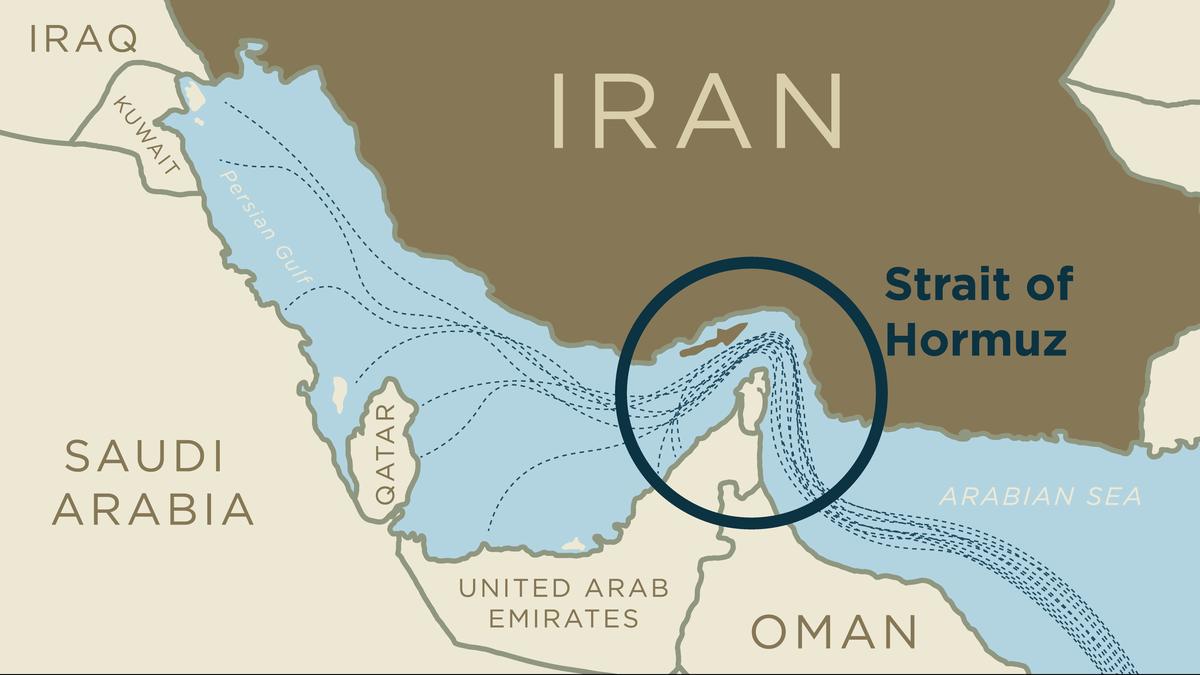
When a commander of the IRGCN is killed, the world’s energy markets take notice. The Persian Gulf and the Strait of Hormuz are the world’s most sensitive maritime arteries. Any disruption there sends shockwaves through the price of Brent crude.
The markets are currently pricing in a "conflict premium." While there hasn’t been a significant disruption to oil flow yet, the removal of a high-ranking naval officer increases the probability of a "tit-for-tat" maritime war. If the IRGC decides to mine the Strait of Hormuz in retaliation, we could see oil prices spike by 20% or 30% in a matter of days.
This is the hidden cost of the shadow war. It isn't just a regional conflict between two bitter enemies; it’s a global economic risk. The death of one man in a precision strike can lead to a fuel crisis in Europe or an inflationary spike in the United States. The interconnectedness of modern trade means that there are no "local" wars in the Middle East anymore.
Intelligence Overreach or Calculated Risk?
Some analysts argue that Israel is playing a dangerous game. By targeting high-ranking officials, they are removing the very people they would eventually need to negotiate with if a de-escalation were ever possible. However, the Israeli perspective is that you cannot negotiate with an entity that is ideologically committed to your destruction. In their view, the only language the IRGC understands is the language of kinetic force.
The risk of miscalculation is immense. If the IRGC feels that their entire leadership is being systematically liquidated, they may decide that they have nothing left to lose. This is the "Samson Option" for a regional power. They could launch their entire ballistic missile arsenal at Israeli cities in a final, desperate act of defiance.
Israel’s gamble is that the Iranian leadership is ultimately pragmatic. They want to survive. They want to maintain their grip on power. As long as the strikes are targeted and precise, the theory goes, the IRGC will choose to absorb the blow rather than risk total destruction. This is a high-stakes poker game played with millions of lives.
The Future of the IRGC Navy
The IRGCN will recover, eventually. They will promote a new commander, and they will continue their missions in the Red Sea and the Gulf. But they will do so with the knowledge that their "invincibility" is a myth. The technical and intelligence gap between the IRGC and its adversaries is wider than they realized.
The next phase of this conflict will likely be underwater. Both sides are investing heavily in UUVs (Unmanned Underwater Vehicles) that can linger for months near strategic targets. These "smart mines" are the next frontier of maritime warfare. If the IRGC can’t control the surface of the water, they will try to control what’s beneath it.
For Israel, the mission remains the same: identify the threat, find the commander, and neutralize the risk before it reaches their shores. The strike on the IRGC naval commander was not an isolated incident; it was a blueprint for the future of warfare in the 21st century.
The IRGC's naval wing is now at a crossroads. They can continue their path of aggressive expansion and risk further decimation of their leadership, or they can retreat into a more defensive posture. Given the ideological DNA of the Revolutionary Guard, a retreat is unlikely. They will re-group, they will re-calibrate, and they will wait for their opportunity to strike back.
Israel knows this. They are not waiting for the response. They are already preparing for the next target. The shadow war has stepped into the light, and there is no going back to the old rules. The IRGC's naval command has been decapitated, but the body remains active and dangerous.
Verify the status of regional shipping lanes and monitor the Iranian domestic media for "martyrdom" announcements, as these often precede a kinetic response.