The Middle East just shifted on its axis, and if you're looking at your phone wondering if this is "it," you aren't alone. The news that Israel and the United States launched a massive, coordinated strike on Iran isn't just another headline in a long-running shadow war. It's a fundamental break from the old rules of engagement. On February 28, 2026, the sirens in Tel Aviv and the explosions rocking central Tehran signaled that the era of "strategic patience" is officially dead.
This isn't just a localized skirmish. We're talking about Operation Roaring Lion (as the IDF calls it) or Operation Epic Fury (the Pentagon's branding). While the headlines focus on the smoke over the Tehran skyline, the real story is the audacity of the targets and the unprecedented nature of the retaliation spreading across the Gulf.
Israel attacks Iran and the gamble for regime change
For years, the world watched a "war between wars"—small-scale sabotage, cyberattacks, and the occasional drone strike. That ended today. The joint US-Israeli operation didn't just clip the wings of the IRGC; it went for the head.
Reports from both Israeli and US officials suggest this was a decapitation strike. We've seen satellite imagery of the Supreme Leader’s compound in Tehran showing catastrophic damage. Israeli Prime Minister Benjamin Netanyahu and US President Donald Trump haven't been shy about the goal: they're openly talking about toppling the regime. This isn't about "deterrence" anymore. It's about a total reset.
- The Targets: Airstrikes hit Tehran, Isfahan, Qom, and Karaj.
- The Casualties: While Iran remains tight-lipped, Western intelligence and various reports suggest that Supreme Leader Ali Khamenei was killed in the initial barrage. Other high-ranking officials, including the IRGC commander, are also reportedly among the dead.
- The Strategy: This was a multi-day campaign designed to "raze" the Iranian missile program and eliminate the nuclear threat once and for all.
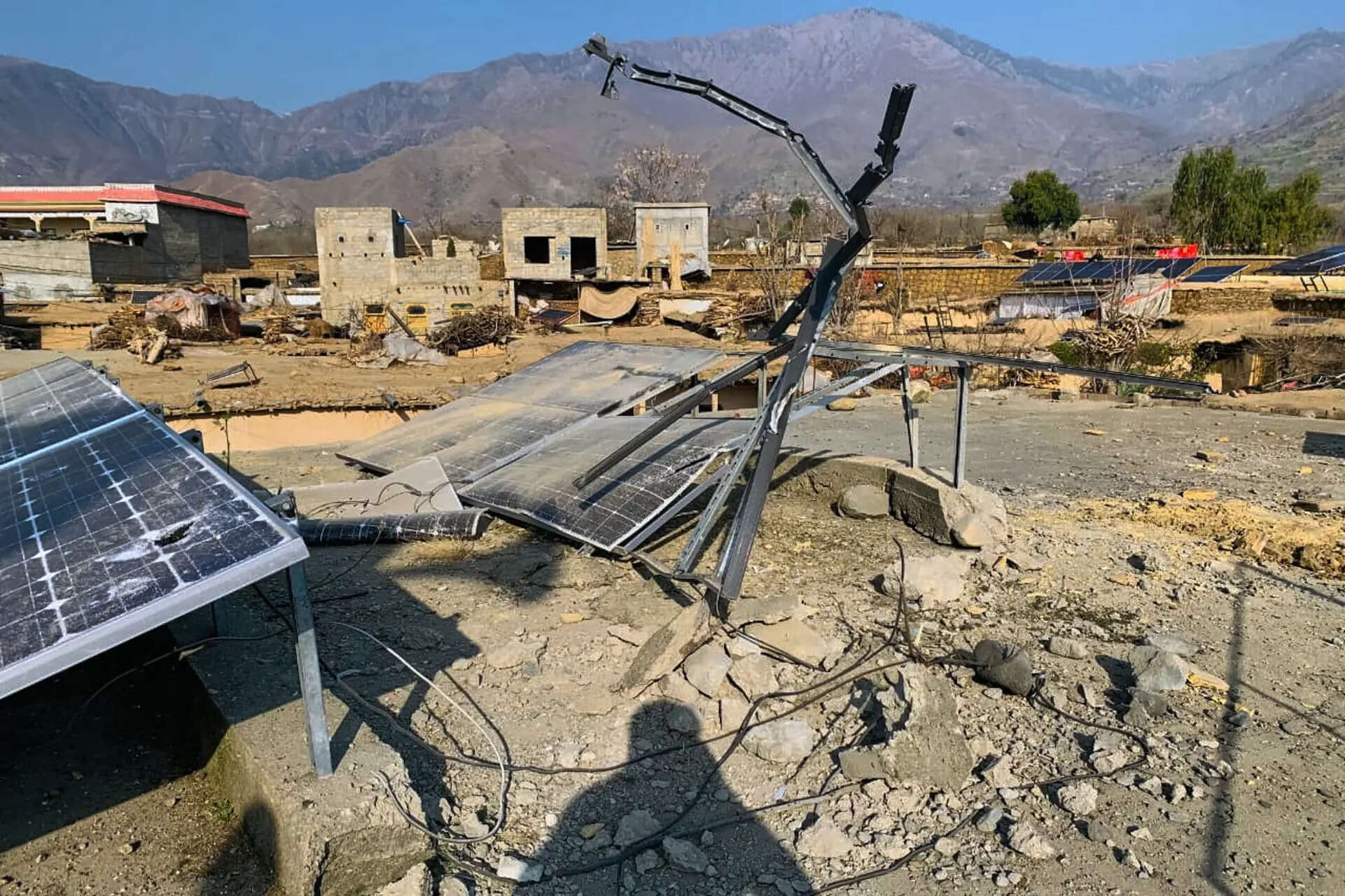
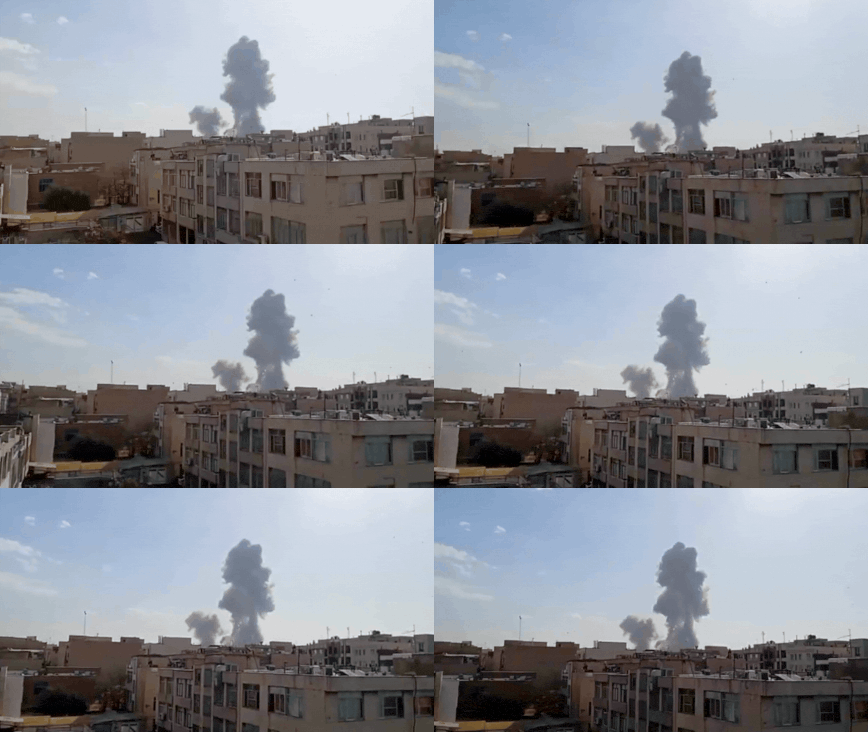
The sheer scale of the fire in Tehran tells you this wasn't a "surgical" warning. It was an eviction notice.
The chaos in Tel Aviv and the regional spillover
If you think the violence stayed within Iran’s borders, you've missed the most terrifying part of the last 24 hours. Iran didn't just roll over. Their retaliation was immediate, massive, and scattered across the entire map.
In Tel Aviv, the sirens haven't been a drill. Magen David Adom has already confirmed at least one fatality and scores of injuries as Iranian ballistic missiles—specifically the Emad and Ghadr models—evaded some layers of the Iron Dome. But it’s the broader Middle East that’s feeling the heat.
Iran has launched strikes against US bases and civilian infrastructure in:
- The UAE and Qatar: Explosions were heard in Dubai and Doha.
- Bahrain and Kuwait: US Fifth Fleet assets and military bases were targeted.
- Saudi Arabia and Jordan: Missiles were intercepted over major cities.
The UAE government even took the rare step of sending emergency mobile alerts in English and Arabic, telling millions of residents to seek immediate shelter. This kind of regional "all-in" move by Tehran shows they're trying to make the cost of this war unbearable for everyone involved, not just Israel.
Why the diplomacy failed in 2026
You might wonder how we got here when just two days ago, there were "high-stakes" talks in Geneva. Honestly, those negotiations were a ghost ship. Mediated by Oman, the talks were supposedly about a nuclear breakthrough. In reality, the US demands—total dismantlement of the Fordow and Natanz facilities and the surrender of all enriched uranium—were terms the Iranian leadership was never going to accept.
It looks like the decision to strike was made weeks ago. Reports indicate that Saudi and Israeli leaders heavily lobbied the Trump administration to move now, fearing that any more "diplomacy" was just a cover for Iran to finish a nuclear warhead. When the Geneva talks ended without a deal on February 26, the fuse was lit.
The immediate fallout for the rest of the world
This isn't just a military story. It's a logistical nightmare that's going to hit your wallet and your travel plans.
- Airspace is a No-Go Zone: Iran, Israel, Iraq, Jordan, and several Gulf states have shut their skies. Over 800 flights from India alone have been cancelled or diverted. If you're flying between Europe and Asia, expect massive delays as planes are rerouted through Turkish and Saudi corridors.
- Oil Markets on Edge: Explosions near Kharg Island—where 90% of Iran’s crude exports originate—have sent shockwaves through energy markets.
- The Digital Blackout: Iran has largely shut down its internet to prevent protests (or celebrations) from being organized, making real-time information from inside the country incredibly scarce.
What you need to do right now
If you have family in the region or travel plans involving the Middle East, stop waiting for "official" airline emails that might be delayed.
- Check Flight Statuses Manually: Don't just look at the app; check the NOTAMs (Notices to Air Missions) for the countries you're flying over.
- Follow Local Embassies: If you’re an expat in the UAE, Bahrain, or Israel, follow your country's embassy on social media. They are posting shelter-in-place instructions that are more current than the news.
- Watch the Strait of Hormuz: This is the chokepoint. If Iran tries to close the Strait, global oil prices will jump overnight. Keep an eye on shipping data.
The situation is moving faster than the analysts can keep up with. We're no longer talking about a "potential" war. We're living through the opening chapters of a regional transformation. Stay off the streets in the affected cities and keep your devices charged. This is going to be a long week.