The Middle East just shifted under our feet. If you've been watching the headlines about Israel stepping up airstrikes in Tehran, you might think it's just another round of the same old "shadow war." It isn't. We're four days into a coordinated campaign by Israel and the United States—codenamed Operation Roaring Lion and Operation Epic Fury—that has effectively decapitated the Iranian leadership and pushed the region into a hot war.
By March 3, 2026, the situation has moved far beyond "tit-for-tat." Israel isn't just hitting missile warehouses; they're leveling the Supreme National Security Council and the Presidential Office in the heart of Tehran. Meanwhile, Iran has stopped pretending it only cares about "Zionist targets" and is actively hitting U.S. embassies and Gulf energy hubs.
If you're wondering why oil prices are twitching and why the U.S. is closing embassies in Saudi Arabia and Kuwait, it's because the old rules of engagement are dead.
The Strategy Behind the Tehran Strikes
Israel’s air campaign over Tehran isn't about sending a message anymore. It's about dismantling the state's ability to function. On March 3, the Israeli Air Force (IAF) didn't just strike military outskirts; they hit the Assembly of Experts in Qom and political institutions in the capital.
The goal is regime change. Plain and simple.
You've probably heard that the Supreme Leader, Ali Khamenei, was killed in the initial waves. While the dust hasn't fully settled on the transition of power, an "Interim Leadership Council" is reportedly trying to hold the pieces together. But Israel and the U.S. aren't giving them breathing room. They've conducted over 2,000 strikes since February 28, focusing on:
- Decapitation: Taking out the political and military elite.
- Suppression: Hunting down the Law Enforcement Command (LEC) to prevent the regime from crushing internal protests.
- Degradation: Systematically destroying the missile launchers that Iran uses to strike back.
Israel is now using "stand-in" munitions, meaning their jets are flying directly over Tehran for the first time in this conflict. They've destroyed the LEC Intelligence Organization headquarters and the Sarallah Headquarters—the very heart of the regime's domestic repression machine.
Iran Widens the Fire to the Gulf
Iran isn't going down without making everyone else pay. Since they can't stop the jets over Tehran, they're lashing out across the "Axis of Resistance." On March 2, two Iranian drones hit the U.S. Embassy in Riyadh. Think about that. That’s a direct strike on American soil in the middle of the Saudi capital.
The response from the Islamic Revolutionary Guard Corps (IRGC) has been to target the world's wallet. They’ve effectively closed the Strait of Hormuz, where 20% of the world’s petroleum flows. They’ve also struck:
- The Port of Salalah and Duqm Port in Oman.
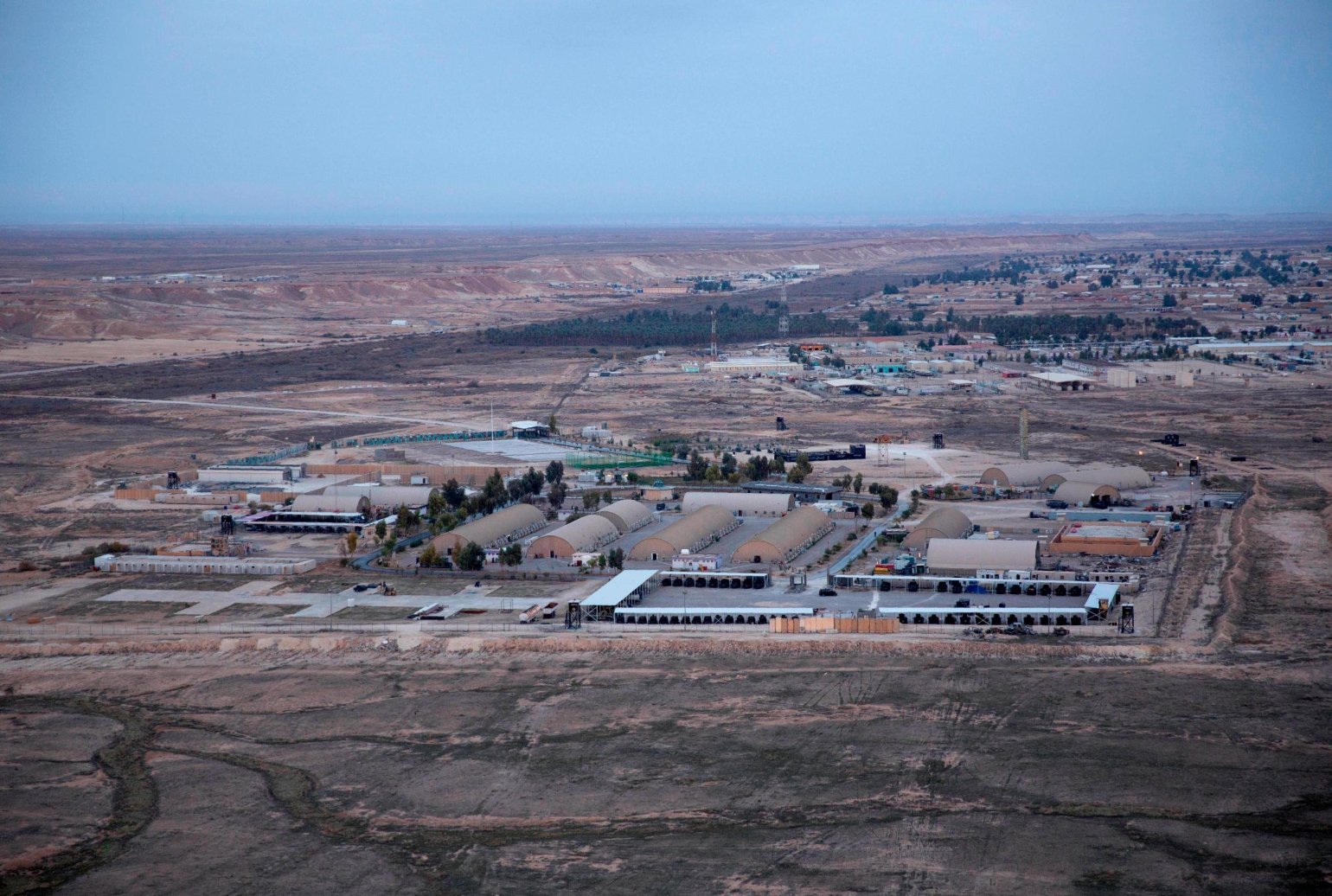
- The Minhad Air Base in Dubai.
- Energy infrastructure in Ras al-Khaimah and Fujairah.
Tehran’s logic is brutal: if they can’t survive, the global economy shouldn't either. They want the Gulf states—Saudi Arabia and the UAE—to feel so much pain that they force the U.S. to pull the plug on Israel. But it’s backfiring. Instead of backing off, Saudi Arabia is reportedly preparing for its own strikes against Iran.
What the Media is Missing
Most reports focus on the explosions, but the real story is the internal collapse. Iran was already brittle. Early 2026 saw massive protests across the country, fueled by a dying economy and a government that spent more on foreign proxies than domestic bread.
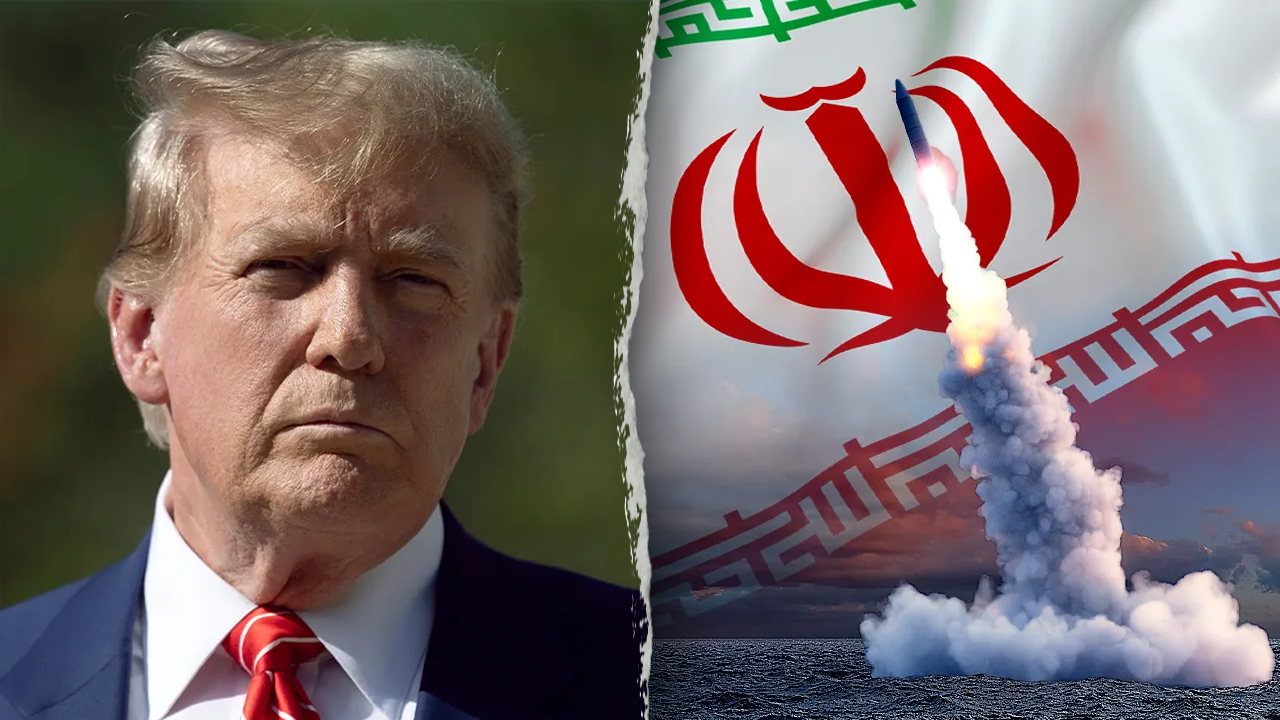
When President Trump announced on Truth Social that "help is on the way" on February 28, he wasn't just talking to the military; he was talking to the Iranian street. The strikes on the LEC (the police force) in Kurdistan and Tehran are designed to give those protesters a chance to rise up without being mowed down by security forces.
We’re also seeing the "Axis of Resistance" crumble in real-time. In Syria, President Assad has already been overthrown. Hezbollah in Lebanon is so weakened from the 2024 offensive that their response has been—honestly—pretty pathetic compared to what we expected. They’re launching rockets, sure, but the IDF is already carrying out "forward defense maneuvers" in southern Lebanon to shut them down before they can truly escalate.
The Civilian Toll and the New Reality
Don't let the "precision strike" talk fool you. People are dying in huge numbers. The Iranian Red Crescent reports over 780 dead, and human rights groups say over 740 of those are civilians. In Israel, cluster munition warheads launched from Iran have hit residential areas, killing 12 people and injuring hundreds.
This isn't a conflict that’s going to "de-escalate" by the weekend. The U.S. and Israel have committed to a total "dismantling" of the Iranian security apparatus. They’re not looking for a new nuclear deal; they’re looking for a new government.
If you’re in the region or have interests there, the immediate priority is security. The U.S. has already shuttered embassies, and air travel is a mess.
- Monitor Energy Prices: With the Strait of Hormuz effectively a no-go zone, expect massive volatility in fuel costs.
- Follow the Saudi Response: If Riyadh joins the fray, we’re looking at a true regional world war.
- Watch the Iranian Streets: The regime’s survival depends on its ability to keep the population down. If the LEC headquarters continue to fall, the regime loses its last shield.
The strikes in Tehran have changed the map forever. We’re no longer talking about "if" the Middle East will change, but how much of the old order will be left when the smoke finally clears.