The Persian Gulf is currently a powderkeg, and the fuse is burning shorter by the hour. For years, the United Arab Emirates has performed a high-stakes balancing act, trying to keep its massive trade ties with Iran alive while simultaneously welcoming Israeli defense tech and US military assets onto its soil. But that era of "having it both ways" just hit a brick wall.
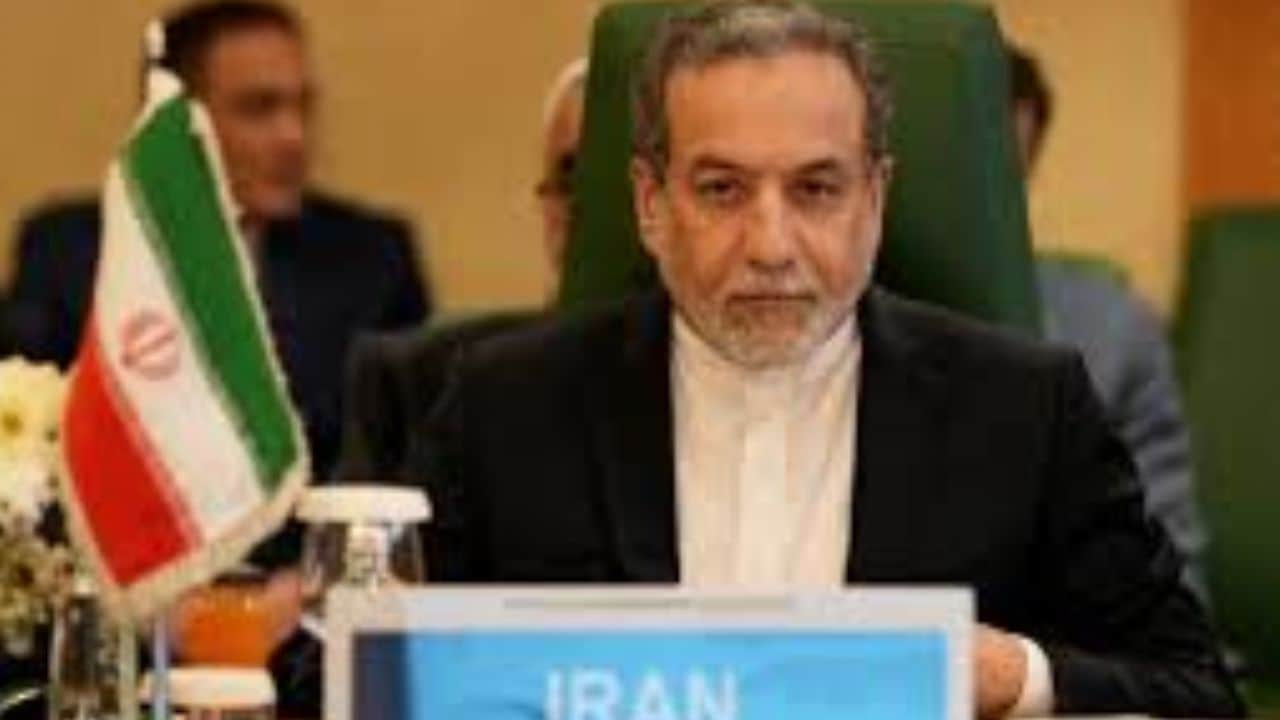
Iran's Foreign Minister Abbas Araghchi didn't mince words at the BRICS meeting in New Delhi this week. He flatly accused the UAE of being an "active partner" in recent military aggressions against Tehran. The message was blunt: those fancy Israeli air defense systems and the American security umbrella aren't the bulletproof vests you think they are. If you let the "enemy" use your backyard to launch strikes, don't be surprised when the return fire hits your porch.
The Secret Visit That Set Everything On Fire
What triggered this latest explosion of rhetoric? It wasn't just a random policy shift. On Wednesday, Benjamin Netanyahu’s office claimed the Israeli Prime Minister made a secret wartime visit to Abu Dhabi during "Operation Roaring Lion." They called it a "historic breakthrough," complete with tales of being received with the "honor of kings."
The UAE’s response was a frantic, categorical denial. They claim no such visit happened and that their relations with Israel are strictly limited to the public framework of the Abraham Accords. Honestly, it's a mess. Whether the visit happened or not almost doesn't matter anymore. The mere claim by Israel—and Iran’s insistence that its intelligence services already knew about it—has stripped away the UAE’s carefully maintained "neutral" facade.
Iran sees this as a betrayal of regional "good neighbor" principles. Araghchi’s post on X was particularly chilling, calling collusion with Israel an "unforgivable" gamble. When Tehran starts talking about holding people "to account," they aren't talking about diplomatic sanctions. They’re talking about the IRGC Navy seizing ships and drones buzzing energy hubs.
The Iron Dome Fallacy
There’s a common belief in Gulf capitals that buying Israeli tech like the Iron Dome or Barak systems creates an impenetrable shield. It doesn't.
In the real world, saturation attacks change the math. Iran has spent decades perfecting "swarming" tactics—launching waves of cheap drones and ballistic missiles simultaneously to overwhelm sophisticated sensors. We saw a glimpse of this during the recent escalations where the Fujairah Oil Industry Zone reportedly saw major fires.
Security isn't something you can just buy off the shelf from Jerusalem or Washington. If the UAE becomes a launchpad for Israeli intelligence or US strikes, no amount of "cope cages" on energy facilities will stop the economic fallout. The Strait of Hormuz is right there. It's the UAE’s jugular, and Iran has its hand on the tap.
Why the Abraham Accords Are Under Real Pressure
When the Abraham Accords were signed in 2020, the pitch was simple: peace through prosperity. But that peace was built on the assumption that a direct war between Iran and Israel wouldn't actually happen. Now that it is happening, the "prosperity" part is looking shaky.
- Expats in Limbo: The breakdown in Iran-UAE relations is already hurting the massive Iranian expat community in Dubai.
- Energy Insecurity: Attacks on tankers and oil zones drive up insurance premiums and scare off investors.
- Intelligence Scrutiny: Iran now views the UAE as an extension of the Mossad, meaning every business deal or tech hub in the Emirates is seen through a military lens.
The UAE thinks it's playing a sophisticated game of 3D chess. They want the security of the West and the markets of the East. But Iran is playing a much simpler game of checkers. They’re telling Abu Dhabi: "If you're with them, you're against us."
What Happens Next
You don't need a PhD in geopolitics to see where this is going. The UAE is likely to double down on public denials of military cooperation with Israel while quietly begging Washington for more "ironclad" guarantees. It’s a reactive strategy that hasn't worked well in the past.
If you’re watching this space, keep your eyes on the maritime traffic. The reported seizure of a ship off the UAE's east coast today is a classic Iranian signaling move. They're showing that they can reach out and touch Emirati interests whenever they want, regardless of who's visiting Abu Dhabi or what batteries are stationed on the coast.
The UAE needs to pivot back to active de-escalation with Tehran, and fast. Relying on an "Israel-plus-US" strategy during an active war is a recipe for being the first one to get burned when things go south. Security in the Gulf doesn't come from a missile battery; it comes from making sure your neighbor doesn't feel the need to fire one at you in the first place.
Iran warns UAE for 'Colluding With Israel'
This video provides a breakdown of the recent warnings issued by Tehran and the UAE's denial regarding the alleged secret visit by Benjamin Netanyahu.

:max_bytes(150000):strip_icc():focal(819x186:821x188)/Murdaugh-Family-e90854a716884d608fb6fd925e18d840.jpg)
