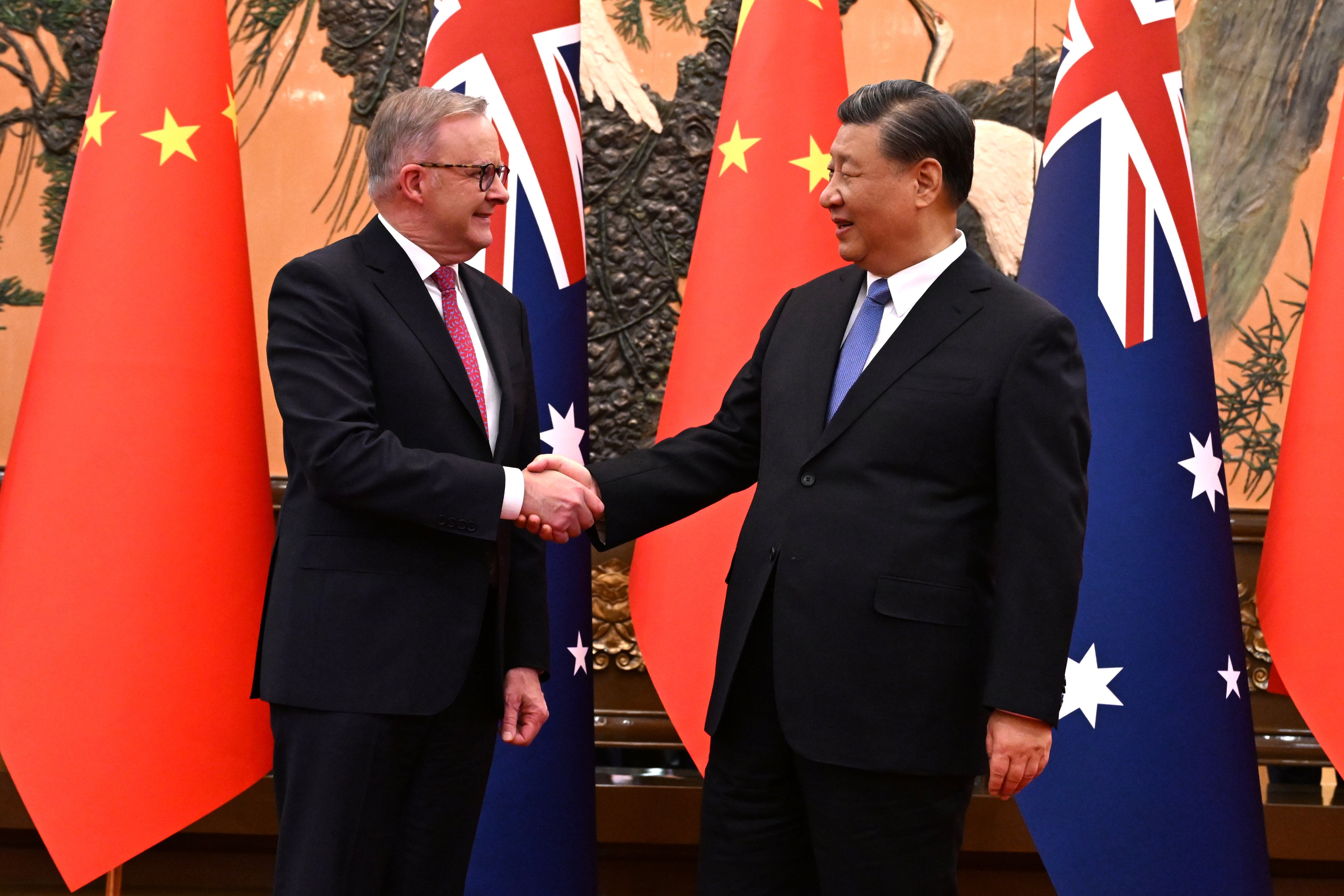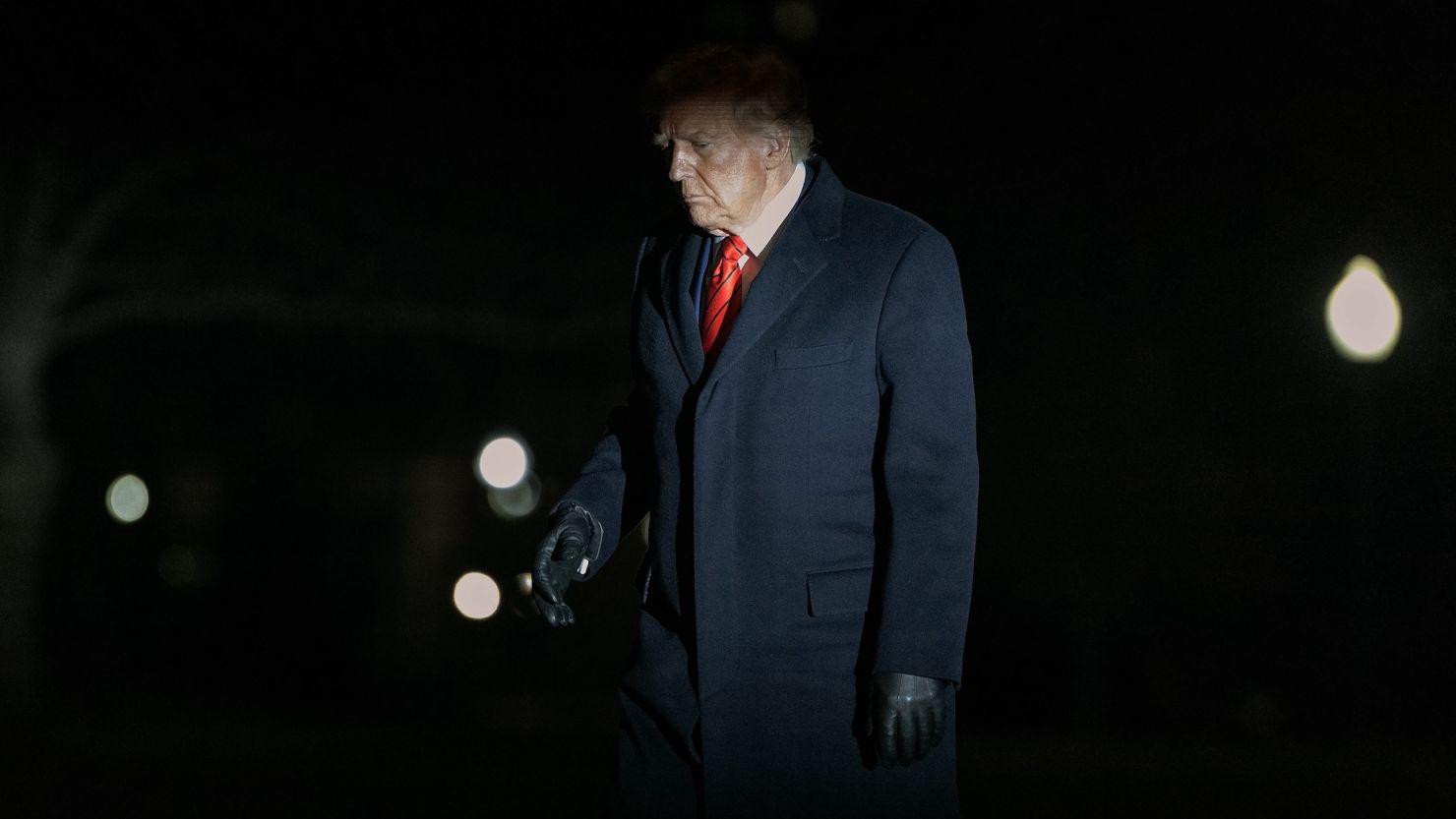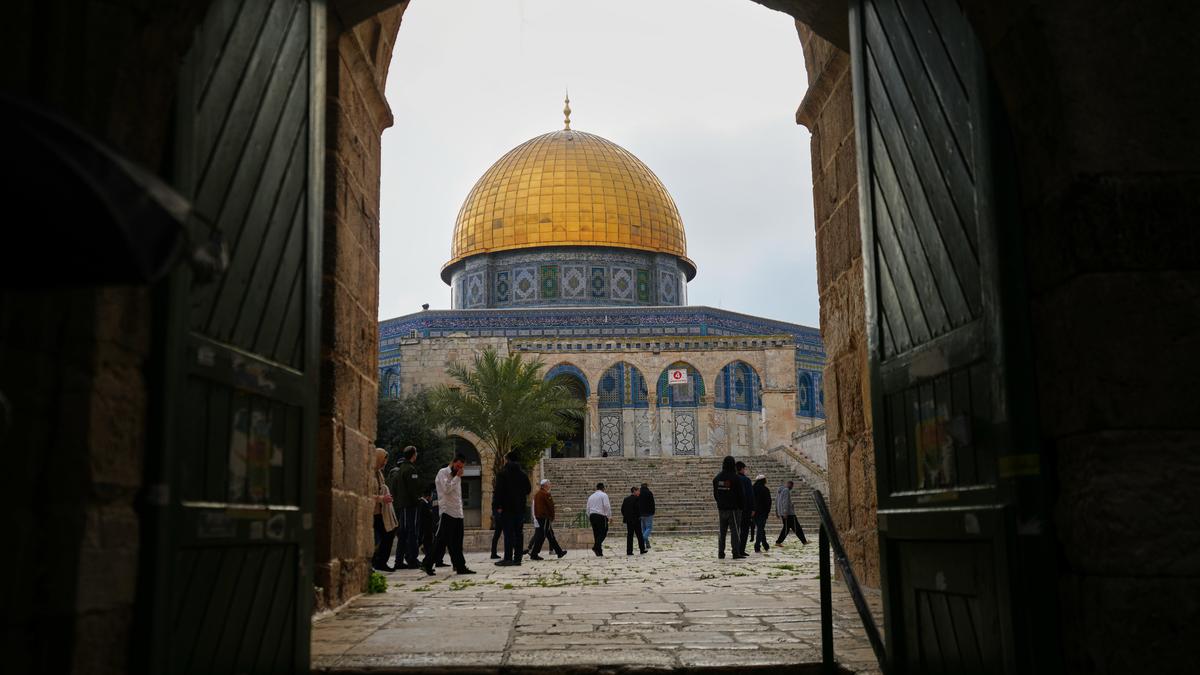
The international press has a script. When Itamar Ben-Gvir walks onto the Temple Mount, the media triggers a pre-written alarm system. They call it a "provocation." They warn of "regional conflagration." They treat a fifteen-minute stroll as if it’s the physical catalyst for a third world war.
Stop buying the hype. In similar news, take a look at: The Tragedy of Yobe and Why Nigerian Airstrikes Keep Missing the Mark.
The coverage of Ben-Gvir’s visits to the Al-Aqsa Mosque compound—or the Temple Mount, depending on which side of the history book you’re reading—is a triumph of lazy consensus. The narrative assumes that these visits are spontaneous acts of pyromania. In reality, they are highly calculated political transactions where every player, from the Israeli National Security Minister to the Palestinian Authority to the Jordanian Waqf, knows their lines perfectly.
The Status Quo is a Ghost
The loudest argument against these visits is that they "violate the status quo." It sounds serious. It sounds like a legal bedrock. It is actually a convenient fiction that hasn't existed in its original form for decades. The New York Times has analyzed this important topic in extensive detail.
The 1967 arrangement—where Muslims pray and non-Muslims merely visit—has been eroding under its own weight for years. If you actually spend time on the ground instead of reading wire reports from a hotel in Tel Aviv, you know that Jewish prayer on the mount happens daily. It is quiet. It is often shielded by police. But it is there.
Ben-Gvir isn't "breaking" the status quo; he is highlighting its decomposition. The outrage isn't about the act of walking. It’s about the acknowledgment of the act. The media is essentially arguing that we should all keep lying to each other for the sake of a fragile peace. That’s a strategy for stagnation, not stability.
The Sovereignty Theater
Why does he do it? The standard take is that he’s a "hardline firebrand" looking for a fight. That’s a shallow reading.
Ben-Gvir is an expert in the economy of attention. In the Israeli political ecosystem, "sovereignty" is the ultimate currency. By standing on that plateau, he isn't just speaking to the Palestinians; he is screaming at his own coalition partners. He is telling his base that the Likud establishment is weak and that he is the only one willing to physically manifest Israeli claims to Jerusalem.
The Cynical Cooperation of the Opposition
Here is the part the news cycles miss: The leaders of Hamas and Hezbollah love these visits as much as Ben-Gvir does.
They need a visual. They need a "desecration" to fundraise against and to use as a recruitment tool. When the "Al-Aqsa is in danger" slogan goes viral, the coffers of militant groups fill up. It is a symbiotic relationship. Ben-Gvir gets his domestic poll bump, and his enemies get a renewed mandate for "resistance." They are all working from the same playbook to ensure that the middle ground remains a scorched wasteland.
Stop Asking if it’s Legal and Start Asking if it Matters
People always ask: "Does he have the right to be there?"
Technically? Yes. He is an Israeli citizen and a government minister.
Does it help? No.
But asking if it's "helpful" is the wrong question. In the Middle East, nothing is "helpful" in the way a Western diplomat understands the word. Everything is about the projection of presence.
If you think a man walking across a courtyard is the reason peace talks aren't happening, you are ignoring the massive, structural failures of the last thirty years. You are blaming the spark for the existence of the gasoline. The gasoline is the total lack of a viable political horizon, the entrenchment of settlements, and the systemic corruption of the Palestinian leadership. Ben-Gvir is just a guy with a camera crew and a specific brand of bravado.
The Myth of the Accidental War
The media portrays these visits as a "powder keg" that could go off at any second. This suggests that the region is filled with irrational actors who just can't help themselves.
The regional powers—Egypt, Jordan, Saudi Arabia—are far more pragmatic than the headlines suggest. They will issue the mandatory condemnations. They will use the "grave escalation" template in their press releases. But they aren't going to scrap the Abraham Accords or risk their security cooperation with Israel over a cabinet minister’s morning walk.
The "conflagration" is a controlled burn. The violence that follows these events is rarely a spontaneous emotional outburst from the "street." It is usually green-lit by organizational leaders who decide when and where to deploy their assets. By hyper-focusing on the "provocation," the media shifts the agency away from the people actually firing rockets and puts it entirely on the person walking.
The Security Logic of the Spectacle
I’ve watched security protocols evolve in Jerusalem for over a decade. The logic is counter-intuitive: sometimes, preventing the visit causes more violence than allowing it.
If the Israeli government bans its own ministers from the site, it signals a surrender of sovereignty that the right-wing won't tolerate. If they allow it, they deal with forty-eight hours of international condemnation and a few days of riots at the Damascus Gate. From a cold, tactical perspective, the riots are a known quantity. They are manageable. The political collapse of a coalition government is not.
The People Also Ask Fallacy
- Is the visit a war crime? No. It’s a domestic political maneuver. International law is incredibly murky on the specific administrative rights of a minister visiting a site his country effectively controls.
- Will it lead to a Third Intifada? An Intifada requires a strategic decision by Hamas or Fatah. If it happens, Ben-Gvir’s visit will be the excuse, not the cause.
- Why can't Jews pray there? Because the world decided in 1967 that keeping the peace was more important than religious equity. We are currently watching that decision fail.
The Brutal Reality of the Plateau
The Temple Mount is the most valuable real estate in the world because it is the only place where the physical and the metaphysical are indistinguishable.
The "provocation" narrative is a security blanket for people who don't want to admit that the Oslo-era arrangements are dead. We are living in a post-status-quo world. Ben-Gvir is simply the only person honest enough—or cynical enough—to act like it.
The international community spends its energy trying to stop the walk. They should be spending it figuring out what happens when the walk becomes a permanent residency.
Stop treating the symptom. The visit isn't the problem. The problem is the vacuum where a real policy should be. Until there is a strategy that goes beyond "please don't make a scene," the scenes will only get louder, more frequent, and more effective for the radicals on both sides.
If you’re still waiting for a return to the "calm" of the 1990s, you aren't paying attention. The theater is the new reality. Ben-Gvir is just the lead actor who actually knows his marks.