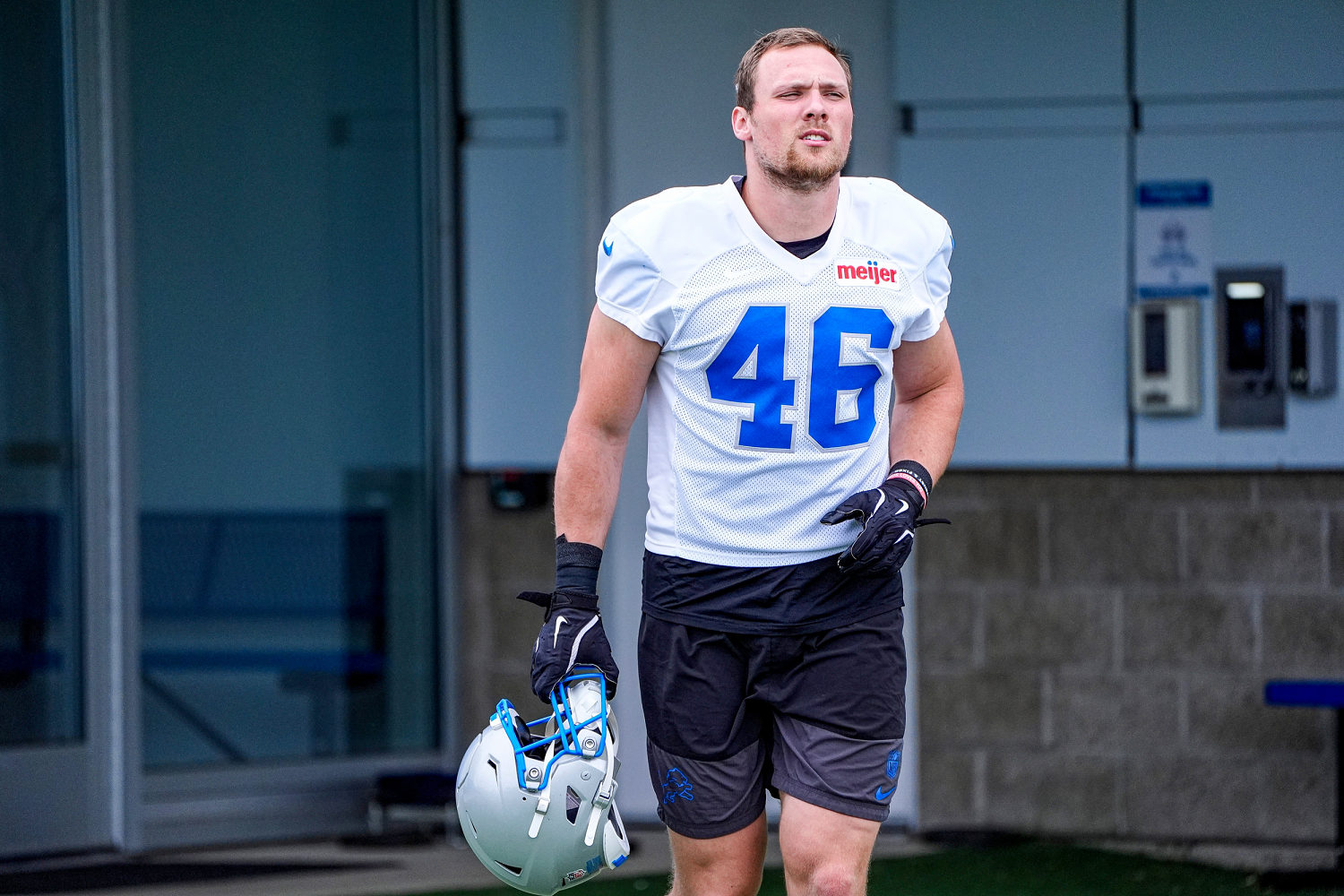
When Jack Campbell went face down on the turf against the Minnesota Vikings on November 1, 2026, Ford Field went dead silent. Seeing a Detroit Lions linebacker strapped to a board and carted off after a collision with tight end T.J. Hockenson isn't just a football storyline. It's a gut check. Three days later, on November 4, Campbell gave fans the news everyone prayed to hear: he had full movement in his lower body and was steadily making progress with movement in his upper body.
Here's the bottom line right up front. Full lower-body movement after a serious neck injury is huge for Jack Campbell's long-term health. It means the scary worst-case fears around lower-extremity paralysis aren't where his story is heading. Still, full lower-body mobility doesn't automatically equal a green light for Sunday football. Upper-body recovery is still progressing, the Lions placed him on injured reserve on November 7 (requiring at least a four-game absence), and the team hasn't published a specific medical diagnosis.
Why Lower Body Movement Matters So Much After a Neck Hit
When a linebacker takes a violent shot to the head or neck, doctors and trainers look at neurological function immediately. Spinal cord injuries are mapped by level—the higher up the cervical spine an injury occurs, the wider the potential impact on the body.
Having full movement in his lower body is an encouraging sign that the pathways serving his legs and hips are functioning properly. At the same time, Campbell specifically noted that his upper-body movement was still a work in progress. In plain English, his recovery hasn't been a single light switch flipping back on. It's been gradual progress, day by day.
Honestly, a lot of fans hear "full movement" and think a player is practically ready to suit up. That's a mistake. Football isn't walking across a living room or lifting light weights in physical therapy. Linebackers absorb full-speed collisions, shed blocks from 300-pound linemen, and snap their heads around while tracking ball carriers. Even if everyday motor function feels strong, high-velocity contact demands a totally different standard of stability and nerve response.
What We Know and What Detroit Hasn't Shared
Transparency around NFL neck injuries is notoriously tight, and Detroit has kept specific clinical details private. We know Campbell stayed in the hospital overnight after the November 1 game. We know he released an emotional statement on November 4 thanking medical staff, his family, and the city of Detroit while sharing his optimism and faith. And we know the Lions moved him to injured reserve on November 7.
What we don't have from the team is a public breakdown of the exact structural or neurological issue involved. Because of that, any armchair diagnosis online is just guessing. Good sports coverage separates confirmed facts from speculation—and right now, confirmed progress with movement is the main anchor.
Can Jack Campbell Actually Play Again in 2026?
Reports out later in November indicated Campbell has set his sights on trying to return during the 2026 season. That drive fits his reputation to a tee. Head coach Dan Campbell pointed out how meaningful it was for Jack to speak directly about his improving condition, and the linebacker himself leaned into Detroit's reputation for grit and resilience.
Still, wanting to play and getting cleared to play are two very different mountains. For a comeback to happen in 2026, several hurdles have to line up:
- Full upper-body and neurological recovery: Campbell has to regain complete, reliable function and strength without lingering deficits.
- Independent and team medical clearance: Outside specialists overseeing his care and the Lions' medical staff both have to sign off.
- Injured reserve timing and conditioning: Being placed on IR on November 7 meant missing at least four games, and he'd still need real football conditioning before taking live snaps.
I've watched plenty of players rush timelines in their heads when they start feeling better, only for doctors to pump the brakes. With the neck and spine, caution isn't pessimism—it's basic survival and career preservation. If Campbell makes it back onto the field in 2026, it'll only be because every specialist feels the risk is acceptable. If he doesn't, protecting his long-term health comes first.
How Detroit Adjusts on Defense Without Him
Losing a starting linebacker in the middle of a playoff-caliber push changes how a defense communicates and fits runs. Campbell isn't just a body in the middle; he's a tone-setter who diagnoses plays and organizes traffic in front of the secondary.
When a player like that goes down, coaches rarely replace him with one guy doing the exact same thing. Instead, Detroit has to lean on rotation depth, tweak blitz and coverage responsibilities, and ask other linebackers and defenders to share the communication load. A short-term dip in crispness is pretty common right after a leader exits, especially when the emotional weight of watching a teammate get carted off is fresh.
If you're watching Lions games right now, pay attention to pre-snap alignment and how fast the second level reacts to play-action and misdirection. Those subtle details tell you way more about how the defense is coping than box-score tackle numbers alone.
Practical Ways to Follow His Recovery Smartly
If you want to keep tabs on Jack Campbell without falling for clickbait rumors, focus on reliable signals:
- Watch official team and player channels: Statements from Campbell or official injury designations from the Lions carry real weight, whereas anonymous social media chatter rarely does.
- Track IR roster moves: Monitor when Detroit's 21-day practice window opens—if it opens at all—following his November 7 injured reserve placement.
- Listen to Dan Campbell and trusted beat reporters: Pay attention to whether coach Dan Campbell talks about football conditioning or strictly day-to-day health updates.
At the end of the day, seeing Jack Campbell walk away from the worst-case fears with full lower-body movement is the win that matters most. Everything else—whether that means a late-season return in 2026 or a longer road back—belongs to the doctors, Campbell, and time.