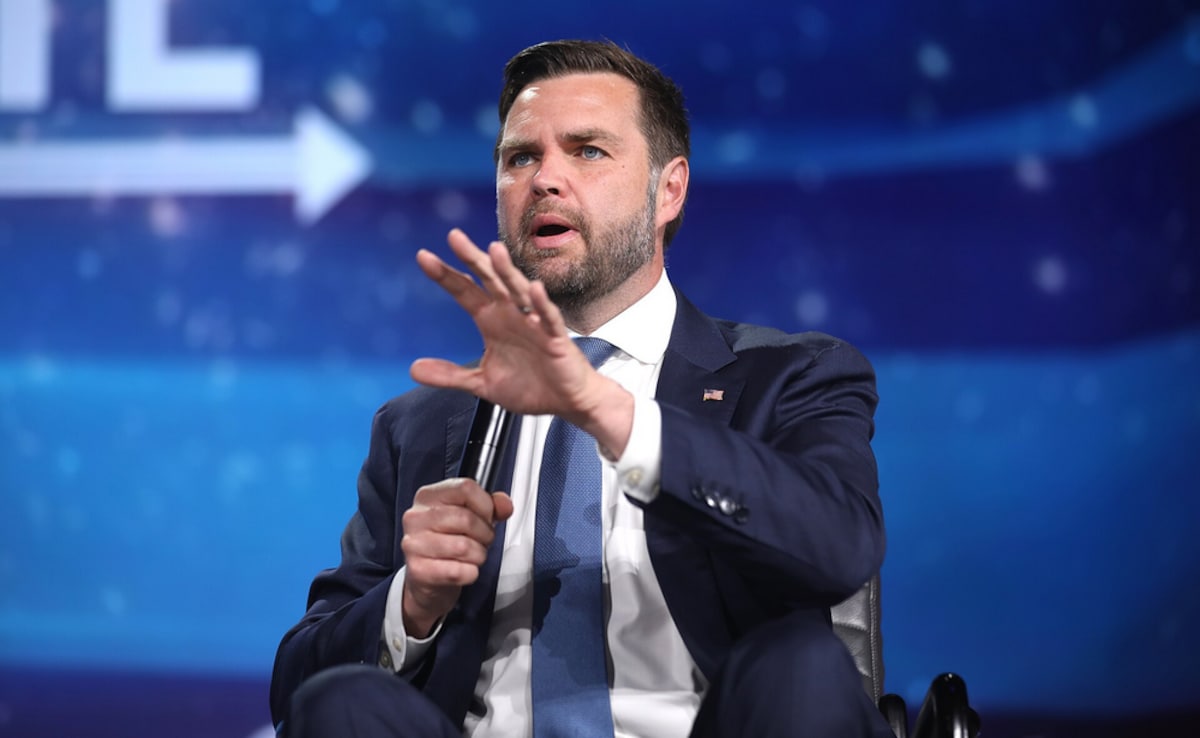
The White House confirmed Wednesday that Vice President JD Vance will lead a high-stakes American delegation to Islamabad this weekend, a move that signals either a desperate search for an exit or a calculated shift in the administration’s strategy toward Tehran. Scheduled to begin Saturday, April 11, these talks represent the first face-to-face attempt to solidify a fragile two-week ceasefire that has barely held since its announcement. While the primary goal is a permanent end to the six-week-old war, the presence of Vance—a man known for his skepticism of foreign entanglements—suggests the administration is prioritizing a pragmatic, "America First" withdrawal over a more traditional diplomatic settlement.
Vance will not be alone. He arrives in Pakistan alongside Steve Witkoff and Jared Kushner, a team that underscores the highly personalized nature of this presidency's foreign policy. This isn't just about ending a war; it is about rewriting the terms of Middle Eastern trade and security on the fly.
The Islamabad Shortcut
Choosing Pakistan as a venue is no accident. While Oman handled the initial, failed backchannels earlier this year, Islamabad offers a different kind of leverage. The Pakistani military establishment remains one of the few entities with the regional weight to force both sides to the table and keep them there. For Vance, the setting provides a neutral, if volatile, ground to test his theory that the United States should not be the world's policeman.
The stakes are higher than the public briefings suggest. Iran has signaled a tentative willingness to surrender its stockpile of highly enriched uranium, a red line that Washington has maintained since hostilities escalated. However, this concession comes with a price tag that the White House is still debating behind closed doors.
- Nuclear Surrender: Tehran is dangling the possibility of turning over its 60% enriched uranium to a third party.
- The Transit Fee: A radical "Strait of Hormuz tax" is on the table, where Iran would charge every commercial vessel $2 million for passage, split with Oman, ostensibly to fund reconstruction.
- The Lebanon Blind Spot: Israel continues to strike Hezbollah targets in Lebanon, a campaign the White House insists is separate from the Iran ceasefire, even as Tehran warns the two are inseparable.
A Vice President Out of His Comfort Zone
Vance’s appointment to lead this mission is a pivot. For months, reports suggested he was the most vocal critic within the cabinet against a full-scale war with Iran. By putting him at the head of the table, the president is effectively saying: "You didn't want this war; now go find a way to end it that doesn't look like a retreat."
The Iranians, ironically, seem to prefer Vance over the other envoys. Tehran has accused Kushner and Witkoff of moving the goalposts in previous rounds. They view Vance as a man whose isolationist instincts might make him more likely to accept a "good enough" deal that restores regional stability and lets the U.S. focus elsewhere.
This is a dangerous assumption. Vance is not a pacifist; he is a realist who views the Middle East through the lens of American resource preservation. He isn't going to Islamabad to save the Iranian government. He is going there to see if the cost of continuing the war exceeds the cost of a messy, imperfect peace.
The Shadow of the Strait
The economic pressure driving these talks is immense. Global energy markets are in a state of paralysis. While natural gas prices at the Dutch TTF hub dipped on the initial ceasefire news, the recovery is stalled. Shipowners are refusing to move vessels through the Strait of Hormuz until they see more than just a press release from the White House.
Insurance premiums for tankers have reached levels that make shipping oil nearly impossible for all but the most desperate operators. The proposed $2 million transit fee—a de facto toll for the world’s most vital waterway—is being pitched by Tehran as a "reconstruction fund." In reality, it is a play for long-term leverage. If the U.S. agrees to this, it effectively acknowledges Iran’s right to tax global commerce in exchange for not blowing it up. It is a protection racket elevated to a diplomatic treaty.
The Lebanon Disconnect
The most immediate threat to the Vance mission is the escalating violence in Beirut. Iran’s Foreign Minister, Abbas Araghchi, has been blunt: if Israel does not stop its ground and aerial attacks in Lebanon, the ceasefire with Iran is "unreasonable."
The White House is attempting a difficult bit of diplomatic gymnastics, claiming the ceasefire deal never included Lebanon. This disconnect could blow the Islamabad talks apart before the first session ends. Israel has shown zero inclination to stop its pursuit of Hezbollah, and the U.S. has shown zero inclination to force them to.
If Vance cannot convince the Iranians to decouple their own survival from the fate of their proxies in Lebanon, the two-week ceasefire will be remembered as nothing more than a brief window for both sides to rearm and refuel.
The Reality of the Table
Talks begin Saturday. The Pakistani Prime Minister, Shehbaz Sharif, and Field Marshal Asim Munir are expected to mediate, but the real movement will happen in the side rooms where Vance and Araghchi face off.
Vance is walking into a room filled with people who have spent decades perfecting the art of the "bazaar" negotiation—patient, tactical, and willing to wait for the other side to blink. He is representing a president who is famously impatient. That friction will define the weekend.
If Vance returns with a deal that includes the removal of Iran’s nuclear material, it will be hailed as a masterstroke of unconventional diplomacy. If he returns with nothing but a list of Iranian demands for "war reparations" and a continuation of the shipping blockade, the war will resume with a ferocity that makes the last six weeks look like a skirmish.
The Islamabad round isn't about mutual understanding or building long-term trust. It is a cold assessment of how much each side is willing to lose to avoid a total collapse. The clock on the two-week ceasefire is ticking, and for JD Vance, the walk from the airport to the negotiating table may be the most significant journey of his political career.