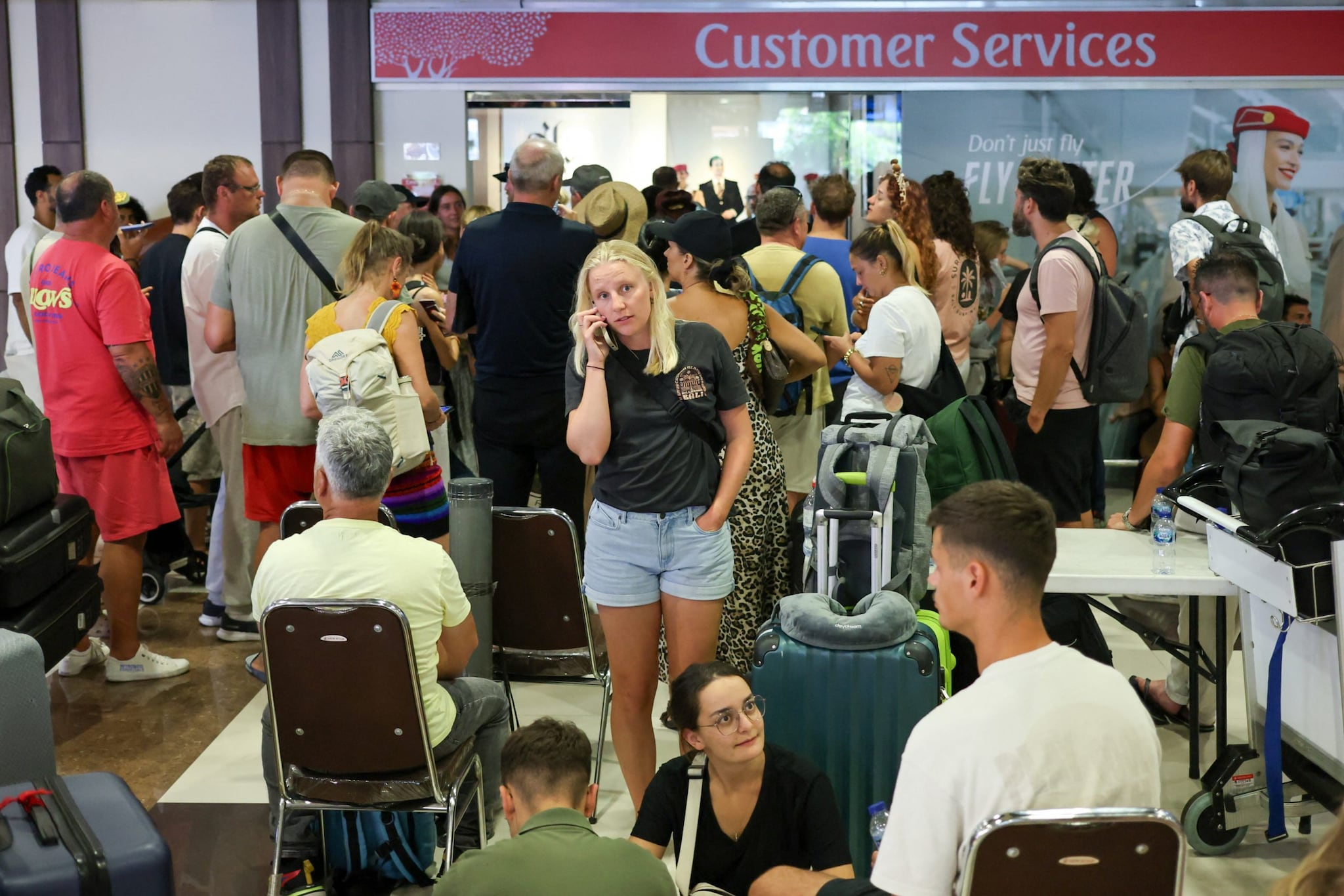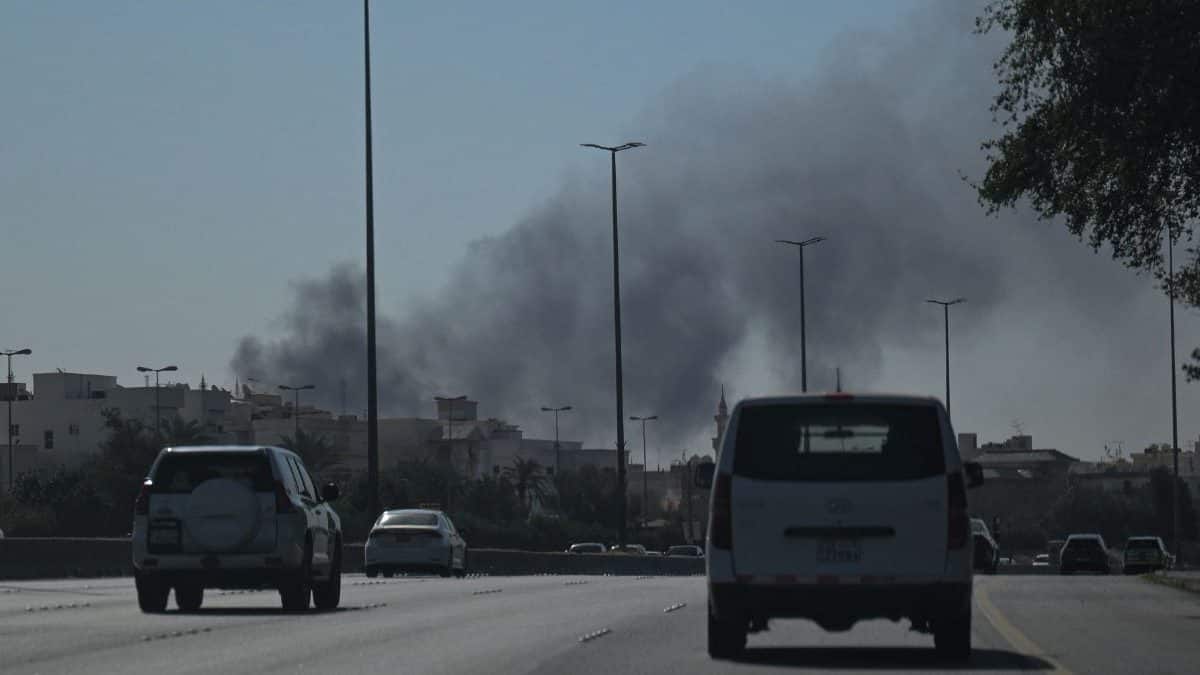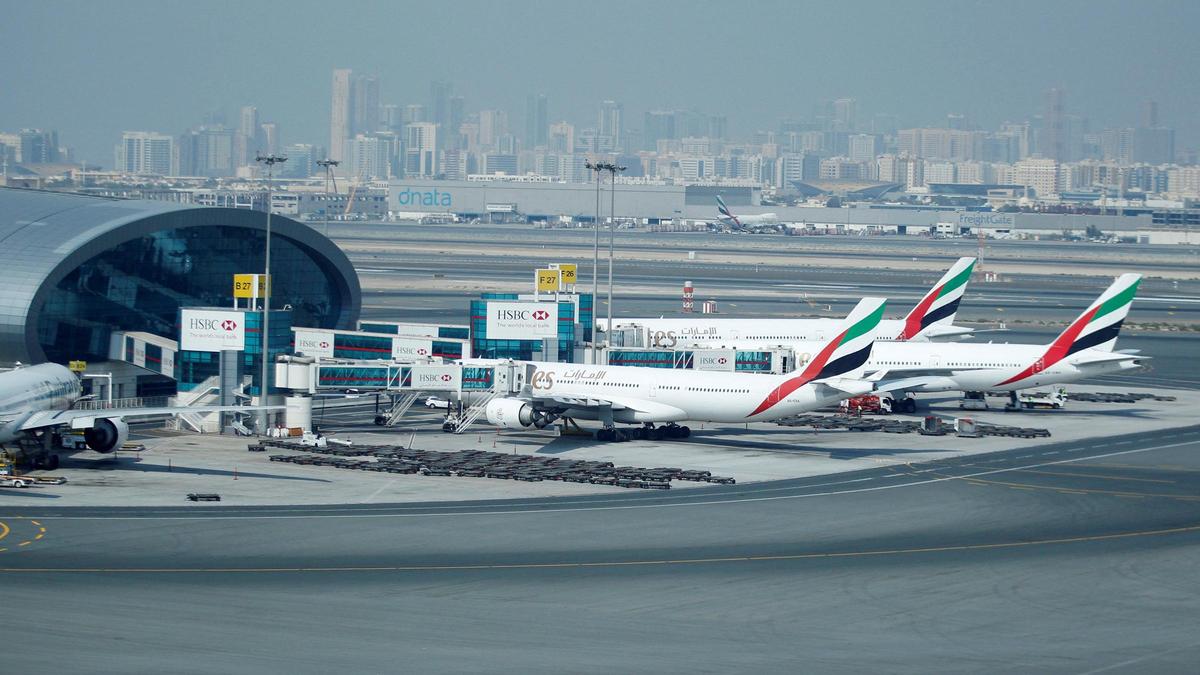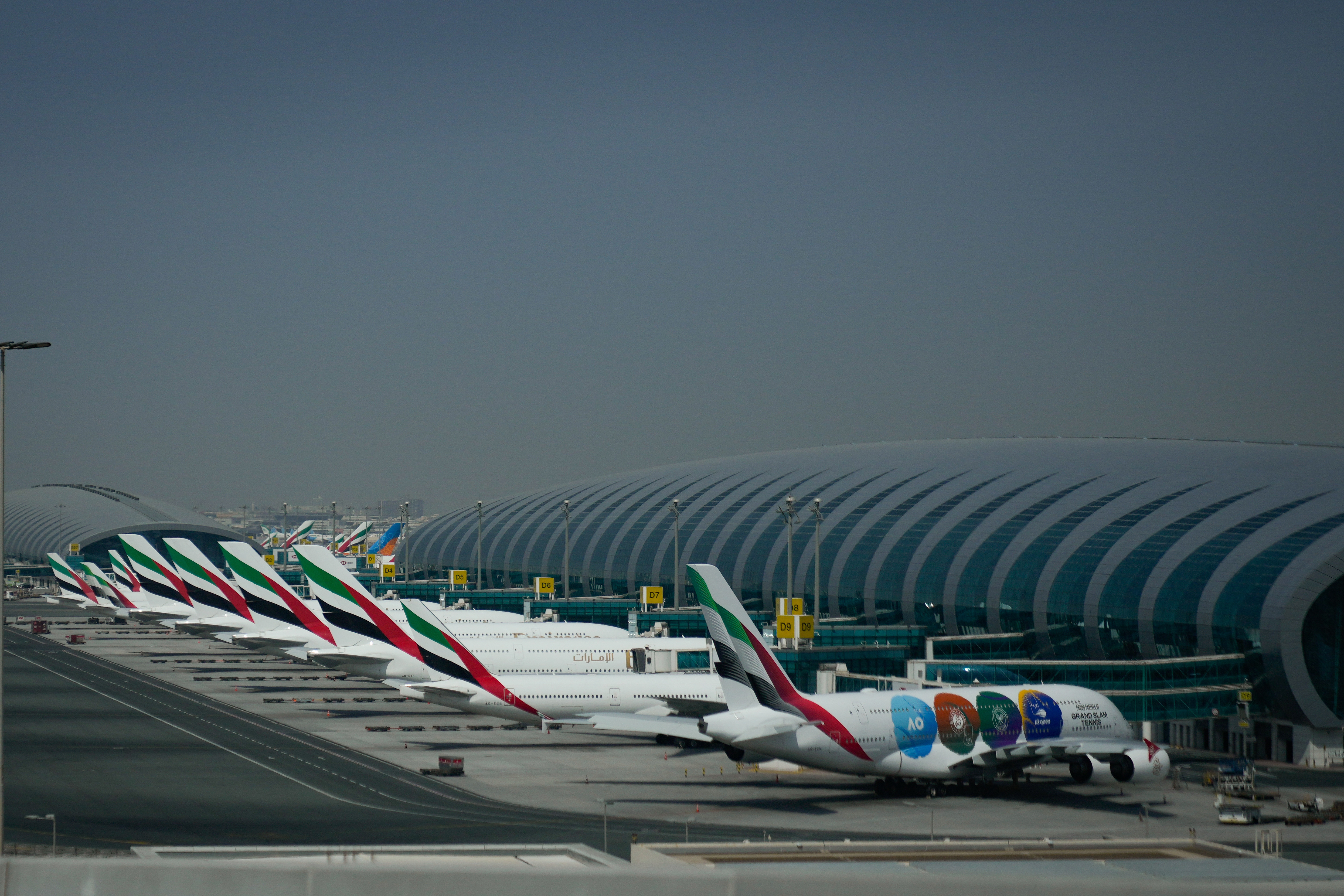
The traditional topology of Australia-to-Europe transit has collapsed. As of March 2026, the primary nodes of global connectivity—Dubai (DXB), Doha (DOH), and Abu Dhabi (AUH)—are effectively offline due to total or partial airspace closures across the Middle East. This is not a temporary delay; it is a structural failure of the "hub-and-spoke" model that has defined the Kangaroo Route for three decades.
For the 1.4 million Australians who utilize these transit corridors annually, the path to the Northern Hemisphere now requires a radical shift in logistical strategy. Understanding how to navigate this crisis requires deconstructing the current aviation landscape into three distinct operational variables: airspace geofencing, seat inventory scarcity, and the technical limits of ultra-long-haul (ULH) performance.
The Three Pillars of the Airspace Crisis
The disruption is governed by a cascade of regulatory and safety barriers that prevent carriers from simply "flying around" the conflict.
- Geopolitically Locked Corridors: The closure of Iranian, Iraqi, and Gulf airspace has removed the most fuel-efficient "Great Circle" paths. For carriers like Emirates and Qatar Airways, which rely on centralizing global traffic in a single geographic point, the loss of these hubs is terminal for their current schedules.
- The ETOPS Constraint: Extended-range Twin-engine Operational Performance Standards (ETOPS) dictate how far an aircraft can fly from an emergency landing site. With Middle Eastern diversion airports unavailable, many twin-engine aircraft (the industry standard) are legally prohibited from flying certain southern or central routes, effectively lengthening the journey by 4 to 6 hours or requiring technical fuel stops.
- The Crew-Duty Bottleneck: International aviation regulations mandate strict rest periods for pilots and cabin crew. The 5-hour detours required to avoid conflict zones frequently push flight times beyond the legal 16-to-18-hour crew duty limits. This forces airlines to cancel flights not because they lack fuel, but because they lack "legal" labor hours.
Quantifying the Alternative Capacity
With Gulf hubs compromised, traffic has migrated to secondary and tertiary corridors. This has created a massive imbalance between demand and the available physical seat inventory.
The Southeast Asian Pivot (Singapore, Bangkok, Kuala Lumpur):
These hubs represent the most immediate alternative. However, seat inventory between Australia and London via Singapore (SIN) is currently down 65% week-on-week due to the sudden influx of displaced Gulf passengers. These routes are operating at 100% load factor, meaning "standby" is no longer a viable recovery strategy.The Northern Arc (Tokyo, Seoul, Hong Kong):
Carriers like Cathay Pacific and ANA are currently the most stable options. They bypass the Middle East entirely by utilizing North Pacific and Central Asian tracks. The trade-off is a significantly higher price floor, as these carriers are now pricing based on "distress demand."The Trans-Pacific Loop (Sydney to London via North America):
While counter-intuitive, routing through Los Angeles, San Francisco, or Vancouver is now mathematically competitive in terms of total travel time. A flight from Sydney to London via Houston or LAX may take 28 to 32 hours—roughly the same as a rerouted, multi-stop journey through a congested Asian hub.
The Cost Function of Displacement
Travellers must stop viewing airfare as a static commodity and start viewing it as a fluctuating cost function of three variables:
$$Total Cost = Base Fare + Opportunity Cost (Time) + Insurance Risk Premium$$
Under the current conditions, the "Insurance Risk Premium" is the most volatile. Many standard travel insurance policies contain "Insolvency" or "War" exclusions that trigger when a carrier cancels due to regional conflict. Voluntary cancellation by a passenger is classified as "Change of Mind," which voids refund rights.
Strategic travel now requires maintaining a "Live PNR" (Passenger Name Record). The moment an airline cancels a flight, they are legally obligated under many jurisdictions (such as EU261 for flights arriving in Europe) to re-route the passenger. If the passenger cancels first, that obligation evaporates.
Logistics for the High-Stakes Traveller
Navigating the 2026 shutdown requires a departure from traditional booking behaviors. The following framework serves as a blueprint for securing passage in a zero-inventory environment.
- The 48-Hour Communication Rule: If your flight is not within the next 48 hours, call centers will prioritize you at the bottom of the queue. Use the airline’s mobile app to monitor "Flight Status" rather than waiting for an SMS. If a "Fee-Free Rebooking" window opens, execute the change immediately via the digital portal.
- The Multi-Ticket Hedge: For mission-critical travel, the most robust strategy is booking "split tickets." Instead of one PNR from Sydney to London, book Sydney to Singapore and Singapore to London on separate, premium carriers (e.g., Qantas to SIN, then British Airways to LHR). This reduces the risk of a single hub failure collapsing the entire itinerary.
- The Documentation Buffer: With routing changes, you may find yourself transiting through countries not in your original plan (e.g., Turkey or Cyprus). Ensure you possess a digital "visa-ready" folder. Countries like India and China have specific transit-without-visa (TWOV) rules that change daily based on airport congestion levels.
The Structural Forecast
The closure of the Middle Eastern hubs has proven that the global aviation system lacks the elasticity to handle a total shutdown of the Gulf. For the remainder of March 2026, expect a "Permanent Peak" pricing environment. Even if airspaces partially reopen, the backlog of 115,000+ stranded Australians will take approximately 21 to 30 days to clear.
The only remaining "safety valve" in the system is the ultra-long-haul non-stop service. The Perth-to-London and Perth-to-Paris non-stop flights (Qantas) remain the most insulated from this crisis. While they are currently booked at capacity, they represent the only "locked" logistical path that does not rely on the stability of a foreign transit hub.
If you are currently holding a ticket through Dubai or Doha, do not cancel. Instead, wait for the airline to declare an "Involuntary Change," then immediately request a reroute through an Asian or North American partner. The objective is no longer to find the cheapest flight; it is to secure the most legally protected seat on any aircraft moving westward.