When a major news network asks the public to submit questions for a chief international correspondent, it usually plays out like a carefully staged marketing campaign. The network wants engagement metrics. The viewer wants a real voice. Most of the time, the resulting Q&A sessions focus on soft, behind-the-scenes anecdotes about what it's like to travel the world with a camera crew.
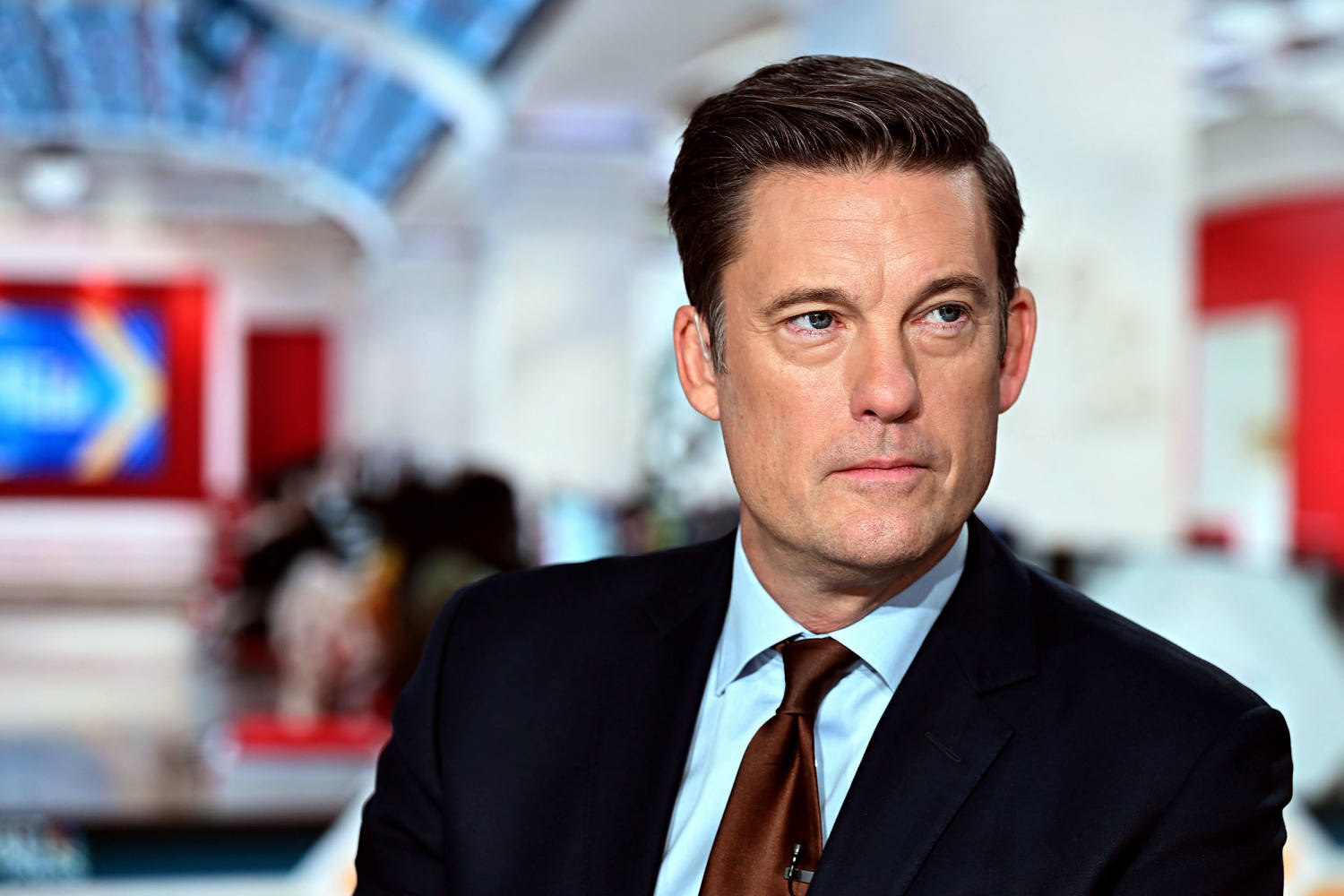
That's a wasted opportunity. Keir Simmons occupies one of the most critical seats in modern broadcast journalism. As the Chief International Correspondent for NBC News, he has stood face-to-face with autocratic leaders, reported from active conflict zones, and frequently serves as the primary lens through which millions of Americans view complex global shifts. You might also find this related story useful: The Beirut Myth and Why Netanyahu Wants Trump To Pull the Brake.
If you're going to hand a question to a journalist who has direct access to the world's most powerful figures, don't ask him about his packing habits or how he copes with jet lag. Ask him about the editorial choices that shape our understanding of geopolitics.
The Reality of Confronting Powerful Figures
Reporting on international affairs isn't just about reading press releases from the State Department or echoing official government stances. It requires an aggressive willingness to push back against official narratives, even when the environment is hostile. As highlighted in detailed coverage by Reuters, the effects are worth noting.
We saw a stark example of this tension during Simmons' interaction with Russian President Vladimir Putin at his high-profile press conference. Simmons didn't mince words. He challenged Putin directly on the failures of the military campaign in Ukraine, the high casualty counts, and the shifting balance of power ahead of diplomatic meetings with Washington. It was a moment of direct journalistic confrontation—until the live broadcast audio mysteriously went silent.
While technical glitches happen, these moments reveal the massive friction between independent journalism and state-controlled media environments. When you look at how these interviews are conducted, several underlying questions deserve answers:
- Navigating the silence: How does a reporter maintain momentum when foreign governments actively try to disrupt the transmission of critical reporting?
- The diplomacy balance: Where is the line between aggressive journalistic cross-examination and maintaining the access needed to report from inside restrictive regimes?
- The safety equation: What internal calculations happen behind the scenes when a reporter pushes a boundary that could result in immediate expulsion or worse?
Breaking Down the Editorial Filter
Audiences often forget that what makes it to the evening broadcast is a tiny fraction of what a reporting team experiences on the ground. A three-minute segment on NBC Nightly News or a quick hit on Today might represent days of intense research, interviews, and travel.
The real value in pressing an international correspondent lies in uncovering the stories that didn't make the cut. Editorial gatekeeping isn't always malicious; it's often a consequence of limited airtime and the frantic pace of the 24-hour news cycle. But those omissions matter.
Consider the ongoing reporting on global conflicts. When a correspondent covers a massive story like the geopolitical maneuvering between Russia, Iran, and Western allies, the broadcast focus inevitably lands on the immediate military threat or the latest political statement. The deeper social impacts, the historical context, and the long-term economic consequences usually get pushed to digital text pieces or dropped entirely.
Understanding how an international news desk prioritizes headlines helps us become more critical consumers of media. It forces us to ask why certain global crises receive wall-to-wall coverage while others are relegated to the margins.
How to Submit Your Questions Effectively
If you want to participate in these public journalism forums and actually get your question answered, you have to bypass the fluff. Newsrooms look for queries that are specific, deeply informed, and impossible to answer with a generic public relations script.
Don't ask broad questions like "What is the future of Europe?" Instead, target specific journalistic choices or documented events. Referencing a particular interview, a specific broadcast segment, or a known geopolitical development forces a more substantive, honest response.
Keep your input focused on the mechanics of reporting. Ask about source verification in regions flooded with state propaganda. Ask about the ethical challenges of using local fixers and translators who remain in danger long after the American network crews fly home. These are the pressure points that define the integrity of international journalism.
To get your voice in front of the NBC editorial team, use their official viewer feedback channels, tag the reporting teams directly on verified social platforms, or submit through the designated network engagement portals during live town halls. Focus your energy on structural journalistic questions. That's how we shift the conversation from standard network promotion to genuine media accountability.