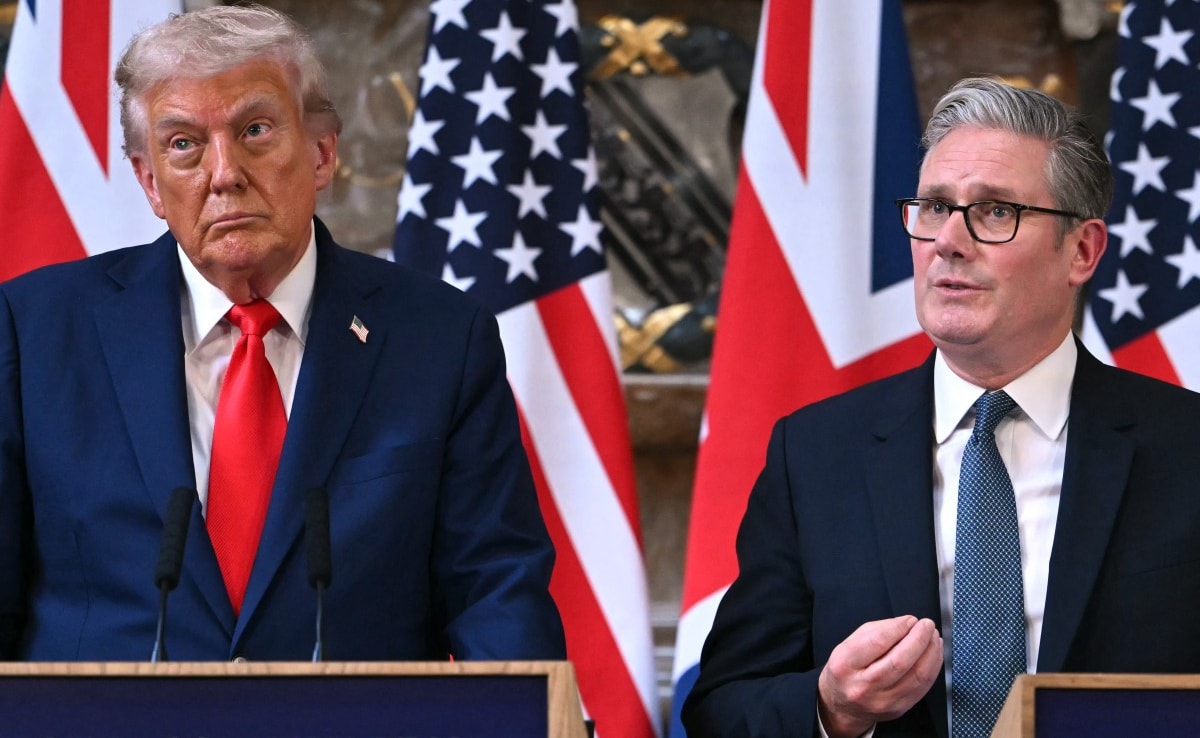
Keir Starmer isn't budging. Despite immense pressure from Washington and a direct "disagreement" voiced by Donald Trump, the UK Prime Minister is standing by his choice to keep British bombers out of the initial offensive against Iran. It’s a move that feels like a massive departure from the "shoulder-to-shoulder" rhetoric we've seen in past Middle Eastern conflicts, and frankly, it's causing quite a stir in the House of Commons.
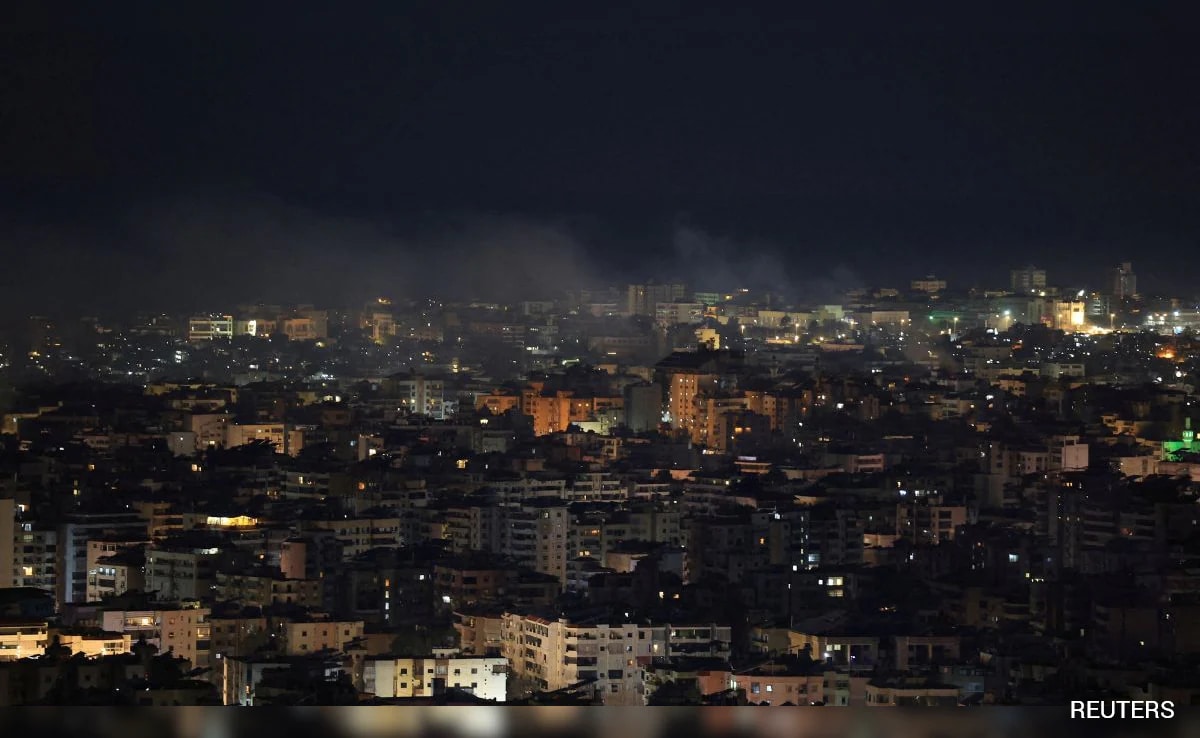
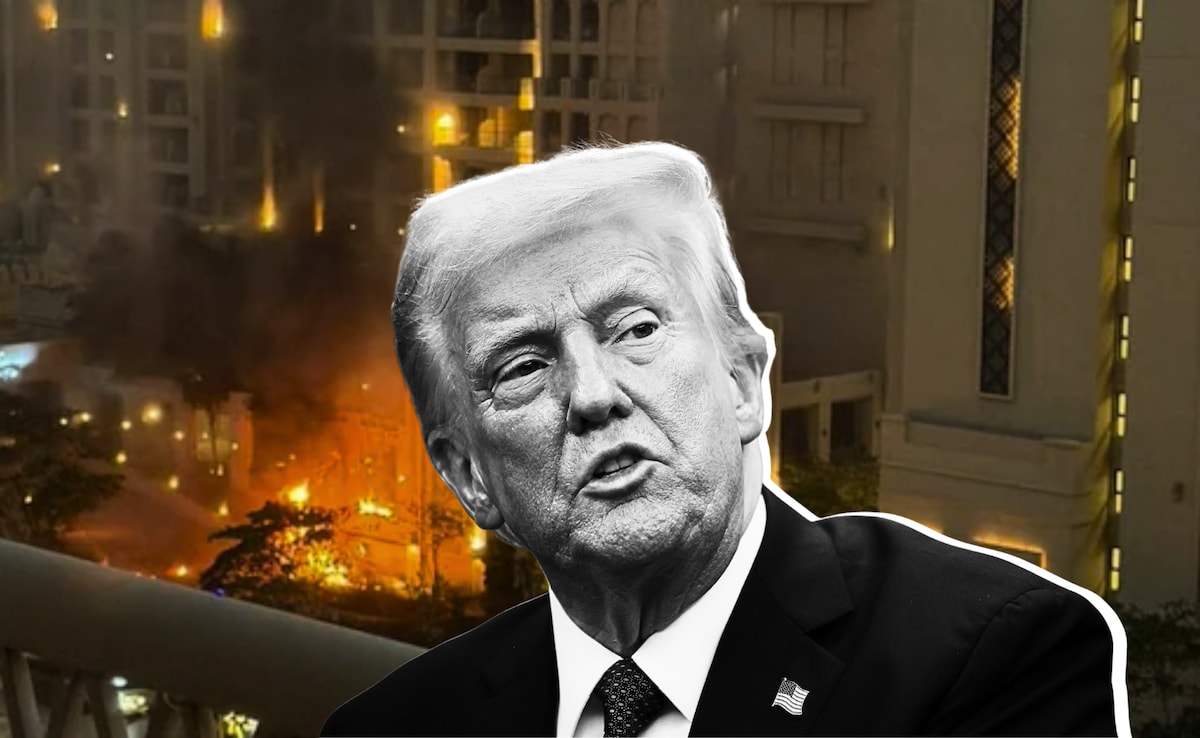
The situation is messy. Over the weekend of February 28, 2026, the US and Israel launched major strikes against Iranian targets, including nuclear sites. Iran didn't just sit there; they lashed out across the region, hitting targets in the UAE, Saudi Arabia, and even narrowly missing British personnel in Bahrain. Yet, through all this smoke, Starmer has been crystal clear: the UK was not involved in the initial strikes, and it won't be joining offensive operations now.
Why the UK is Staying Out of the Offensive
You might be wondering why a "special relationship" partner would sit this one out. Starmer's reasoning isn't just about being contrarian. He’s explicitly stated that the UK doesn't believe in "regime change from the skies." That’s a heavy line. It signals a deep-seated desire to avoid the ghosts of the Iraq War—a comparison Starmer himself made when he told MPs that the government has "learned those lessons."
The UK's strategy right now is focused on a negotiated settlement. They want Iran to abandon its nuclear aspirations and stop destabilizing the region, but they don't think joining a US-led bombing campaign is the way to get there. It’s a gamble. By staying out, the UK is trying to keep a door open for diplomacy, even as the rest of the room is catching fire.
The Defensive Compromise
Don't mistake this for total pacifism. While the UK isn't dropping bombs on Tehran, they aren't exactly sitting on their hands. Starmer has authorized a "specific and limited" defensive role. This includes:
- RAF Typhoons and F-35s are currently in the air, intercepting Iranian drones and missiles headed toward allies who weren't even involved in the initial fight.
- Use of British bases like RAF Akrotiri in Cyprus has been granted to the US, but only for defensive purposes—specifically to take out Iranian launch sites that are actively firing at regional partners.
- Legal summaries have been published to justify these moves under "collective self-defence," essentially trying to walk a very thin line between helping allies and joining a war.
It’s a bit of a "middle way" that satisfies nobody. The US wants more muscle, and anti-war critics at home think even this limited involvement is too much.
The Risk to 300,000 British Citizens
This isn't just a game of Risk played on a map in Whitehall. There are an estimated 300,000 British nationals currently in the region. We're talking about families on holiday in Dubai, expats in Bahrain, and business travelers in Qatar. Iran has already hit hotels and airports where these people are staying.
The Foreign, Commonwealth & Development Office (FCDO) has taken the rare step of activating a crisis-registration portal. If you're in Bahrain, Israel, Kuwait, Palestine, Qatar, or the UAE, the government wants you on their list. This isn't just for "updates"—it’s the groundwork for potential mass evacuations if the local airspace stays closed or things get worse.
Protecting the Home Front
It’s not just the Gulf that’s on edge. Starmer mentioned that the Iranian regime’s "tentacles" have reached the UK. MI5 has been tracking plots against dissidents and the Jewish community right here on British soil. Security at sensitive sites across the UK has been ramped up because, in this kind of conflict, the "front line" can shift to a London street corner pretty quickly.
Standing Ground Against Trump
The most interesting part of this whole saga is the tension between Downing Street and the White House. Donald Trump has made it very clear he isn't happy with the UK’s decision. For a Prime Minister who usually prizes the US alliance, saying "I stand by it" in the face of a direct snub from a US President is a bold move.
Starmer is betting that the UK’s national interest is better served by being a "stabilizing influence" rather than another combatant. He's arguing that you can't just bomb your way to a solution without a "viable thought-through plan" for what happens the day after.
If you are a British national in the region or have family there, your first move should be to register with the FCDO immediately. Airspace is already a nightmare—half of Heathrow's Middle East departures have been axed—and things aren't going to get easier to navigate tomorrow. Keep your documents ready and stay close to official updates. The UK is trying to stay out of the fire, but the heat is definitely rising.