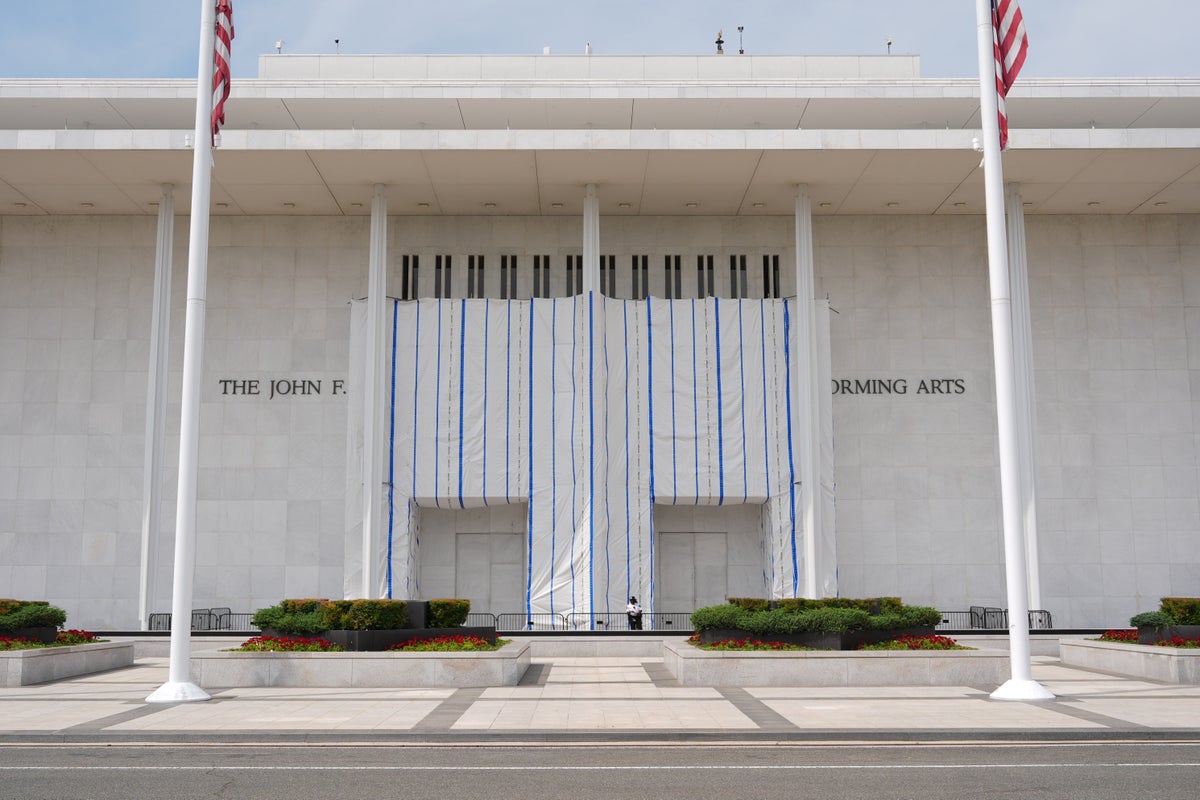
A chunk of ceiling just crashed down inside the Grand Foyer of the Kennedy Center. Convenient, right?
Just weeks after the Trump administration and installed leadership pushed hard for a multi-year facility shutdown, physical damage stepped up to make the case for them. Officials are pointing fingers at decades of neglect and storm-related water damage. Critics are rolling their eyes. Washington, D.C. loves a dramatic political theater, but this literal piece of theater crumbling takes the cake.
You don't need to look hard to see why eyebrows are raised. The timing lines up a little too neatly with an ongoing battle over the building's future, the push to force a two-year closure, and intense fights over political rebranding.
The Battle for the Building
Let's look at what is actually happening. The Kennedy Center isn't just dealing with routine maintenance. It has turned into a high-stakes political chess match.
The Trump administration's takeover of the board brought sweeping changes, dramatic leadership swaps, and a heavily criticized push to inject political tests into cultural programming. When resistance mounted against closing the facility for lengthy renovations—or renaming parts of it—tensions hit a boiling point. Department of Justice attorneys even floated threats of demolition if the multi-year shutdown plans get blocked by courts or lawmakers.
Then the ceiling drops.
Management immediately leaned into the incident to justify the urgent need for a shutdown. A spokesperson blamed chronic, deep-seated infrastructural decay. But frequent visitors and arts advocates remember a very different building. They point out that the facility was functioning just fine, hosting major performances, and handling crowds without structural panics until the current administration took the reins.
Manufactured Crisis or Real Decay
Concrete structures age. Water intrusion happens. Anyone who manages large public properties knows that a brutal storm can test vulnerable points in an iconic, decades-old building.
At the same time, public skepticism is completely earned. When an administration desperately wants a prolonged closure to overhaul an institution in its own image, a sudden structural failure acts as the ultimate trump card. Lawmakers like Representative Chellie Pingree have openly accused leadership of manufacturing crises to cover up mismanagement and push through vanity projects funded by massive congressional allocations.
If you've spent any time walking through the Grand Foyer over the past few years, you probably didn't feel like you were sitting inside a ruin. Sure, the interior design has a heavy 1970s aesthetic that splits opinions. Parts of the layout can feel dated. But a working theater does not normally go from standard operations to sudden, catastrophic closure without a heavy layer of political motivation driving the narrative.
What Happens Next to the Landmark
The fallout from this ceiling collapse goes way beyond a pile of plaster in the Grand Foyer.
- Legal Showdowns: Courts are already sorting through bitter injunctions regarding the governance and closure demands. This physical damage gives government lawyers fresh ammunition to argue public safety.
- Funding Scrutiny: Congress allocated hundreds of millions recently, leaving lawmakers demanding strict transparency on where that cash is going instead of silent, sweeping shutdowns.
- Public Trust: Artists and patrons are voting with their feet. When an iconic cultural hub becomes a daily political headline, attendance and morale take direct hits.
Keep a close eye on the engineering reports coming out over the next few weeks. Independent structural assessments will tell the real story of whether this collapse was an inevitable result of neglect or a convenient shove toward a politically motivated demolition and redesign.
Don't buy the clean spin at face value. Culture and real estate are colliding in Washington right now, and the building itself is caught right in the middle.
The Kennedy Center Isn't Closed For “Renovations”—It's Bankrupt!
This video provides an inside look at the controversies and financial shifts surrounding the recent closure of the Kennedy Center.
http://googleusercontent.com/youtube_content/1