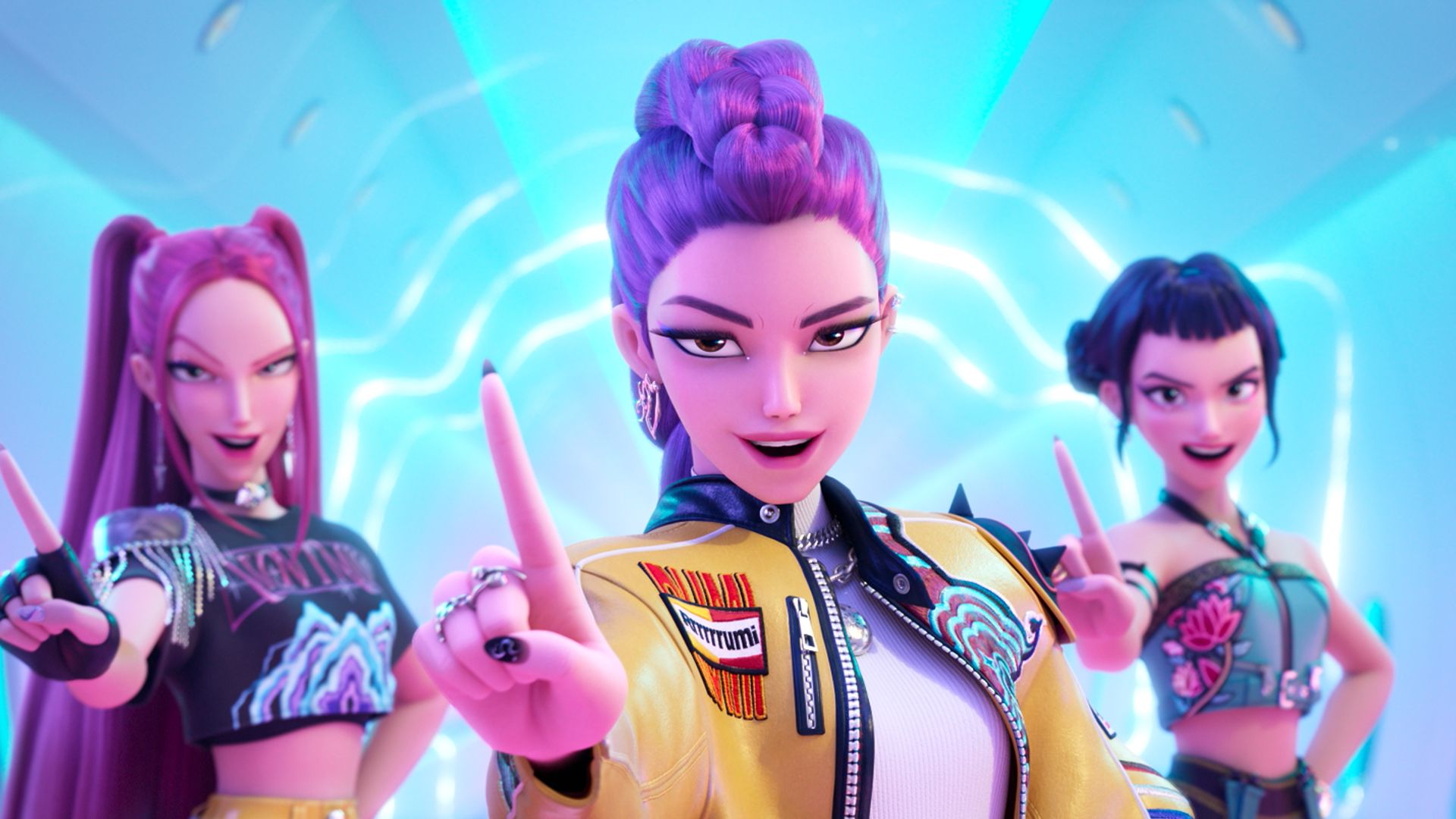
The rumors are finally dead because the facts are here. Sony and the development team just confirmed what fans have been whispering about in Discord servers for months. KPop Demon Hunters 2 is officially in production. If you played the first one, you know it wasn't just another rhythm game. It was a bizarre, neon-soaked fever dream that somehow made slaying eldritch horrors to a synth-pop beat feel completely natural. The announcement "This is only the beginning" isn't just marketing fluff. It’s a promise of a massive expansion to a universe that’s only started to scratch the surface of its own lore.
Most sequels play it safe. They add a few new skins, tweak the lighting, and call it a day. From what’s leaking out of the studio, this isn't that. We’re looking at a total overhaul of the combat mechanics and a story that dives much deeper into the "Idol Pact" that started the whole mess. The first game was a sleeper hit because it didn't try to be God of War or Final Fantasy. It carved out a niche that didn't exist. Now, the pressure is on to see if lightning can strike twice.
The Evolution of the Hunter Rhythm System
Combat in the original game was polarizing. You either loved the syncopated button mashing or you found it incredibly frustrating. The developers have heard the complaints. In the upcoming sequel, the "Beat-Flow" system is getting a rewrite. Instead of just hitting notes to trigger attacks, the music will dynamically shift based on your performance. If you're playing perfectly, the track evolves, adding layers of bass and percussion that actually increase your damage output.
This isn't just about making the game harder. It’s about making it feel more visceral. Imagine a boss fight where the tempo ramps up as the demon’s health drops. You aren't just watching a health bar. You’re feeling the tension through the speakers. This kind of integration is rare. Usually, music is just a background track. Here, it’s the heartbeat of the entire experience.
New Genre Influence and Soundscapes
The first game leaned heavily on bubblegum pop. It worked for the aesthetic, but it got repetitive after twenty hours. For the sequel, the team is scouting talent across the entire Korean music spectrum. We’re talking K-Rock, underground hip-hop, and even some traditional trot influences mixed with heavy electronic beats. This variety matters because each genre will dictate a different playstyle.
- K-Rock Stages: Focus on parrying and heavy, timed strikes.
- Hip-Hop Levels: Emphasize mobility, air combos, and rapid-fire projectiles.
- Synth-Pop Zones: Classic high-speed rhythm gameplay with a focus on AOE (Area of Effect) spells.
This diversity keeps the gameplay from getting stale. You won't be able to use the same strategy for every encounter. You’ll have to adapt your "Stage Presence"—the game's version of a skill tree—to match the vibe of the arena.
Expanding the Seoul Underworld
The setting of the first game was limited to a few districts. It felt a bit claustrophobic at times. The sequel promises a "Neo-Seoul" that is four times larger. We’re getting verticality. You'll be jumping across rooftops in Gangnam and diving into the literal hellscapes hidden beneath the subway systems of Myeong-dong.
The world-building is where the original really shined, even if the budget didn't always keep up with the ambition. Now that the first game has proven there’s an audience, the art direction is going off the rails. The demon designs are moving away from generic shadow monsters and toward creatures inspired by deep-cut Korean folklore. Think Dokkaebi reimagined through a cyberpunk lens.
Why the Story Matters This Time
Let’s be honest. The plot of the first game was a bit thin. It was a classic "save the world with the power of music" trope. It was charming, but it didn't stick with you. The sequel is taking a darker turn. The developers have hinted at a narrative that explores the cost of the "Idol Pact." What happens to these hunters when the music stops?
We’re seeing a shift toward a more character-driven experience. Your choices in the dialogue scenes will actually affect which band members stay in your squad and who might turn against you. This adds a layer of replayability that the first game desperately lacked. You aren't just a passenger; you're the manager of a lethal, demon-slaying pop group, and the stakes are personal.
Technical Upgrades and Performance
If you played the original on a base console, you probably noticed some frame rate dips during the more intense sequences. That’s a death sentence for a rhythm game. For the sequel, the engine has been optimized for current-gen hardware. We’re talking 120 FPS support on compatible displays. If you haven't upgraded your monitor yet, now might be the time.
The haptic feedback on newer controllers is also going to be a factor. The goal is to make the player feel the "thump" of the kick drum in their palms. It sounds like a gimmick until you experience it. When the haptics sync perfectly with the visual cues, the barrier between you and the game starts to disappear. It’s about immersion, not just shiny graphics.
Modding and Community Content
One thing the first game missed was a way for the community to contribute. The sequel is rumored to include a "Choreography Editor." This would allow players to map their own tracks to custom encounters. If this feature makes the final cut, it could give the game a lifespan of years rather than months. Imagine downloading a community-made boss fight set to your favorite deep-cut track. That’s how you build a cult classic.
Preparing for the Hunt
Don't wait for the launch trailer to start getting ready. If you still have your save file from the first game, keep it. There are strong rumors of "Legacy Rewards" for players who completed the original's secret ending. These usually include exclusive cosmetics or a head start on certain skill unlocks.
- Revisit the original: Brush up on your timing. The sequel’s "Hard" mode is reportedly much less forgiving.
- Check your hardware: Ensure your audio setup is low-latency. Bluetooth lag will ruin your experience in a game this fast.
- Follow the official socials: The devs are dropping "riddles" in their teaser images that hint at the new demon types.
The hype is real, but it’s grounded in the fact that the developers actually care about the source material. They aren't just cashing in on a trend. They’re building a world that feels alive, stylish, and genuinely fun to play. Get your headphones ready. The second act is about to begin.