The tenuous diplomatic architecture currently being assembled between Washington, Tehran, and the Trump administration faces a structural flaw that could bring the entire house down before the ink even dries. While negotiations focus on freezing Iran’s nuclear progress and curbing direct regional strikes, a growing faction of Congressional Democrats and veteran Middle East analysts are sounding a frantic alarm. They argue that any ceasefire that fails to explicitly tie Tehran’s hands in Lebanon is not a peace deal—it is a strategic pause for Hezbollah to reload.
The core of the issue is the asymmetric pipeline. For decades, Iran has used Lebanon as its forward-operating base, a shield that allows it to project power to the Mediterranean without risking the Iranian homeland. If a new deal allows Iran to pull back its direct ballistic threats while maintaining the flow of sophisticated weaponry to its proxies in Beirut, the regional balance of power will not just shift; it will shatter. The White House is being warned that a "Tehran-first" diplomacy ignores the reality that for the Israeli security establishment, the border with Lebanon is the only front that truly matters right now.
The Proxy Paradox
The mistake many diplomats make is treating the Iranian government and its regional affiliates as separate entities with distinct ledgers. They are not. Hezbollah functions as the crown jewel of Iran’s "Axis of Resistance," serving as both a deterrent against Israeli strikes on Iranian soil and a tool for regional destabilization.
Current intelligence suggests that despite the heavy losses sustained by Hezbollah leadership over the past year, the supply lines through Syria remain active. A ceasefire that focuses solely on the geography of Iran provides a "sanctuary status" for the regime. They get the economic relief and the cessation of direct hostilities they crave, while their most effective weapon—the Lebanese front—remains hot.
Critics of the current diplomatic trajectory point to the historical precedent of the 2015 JCPOA. While that deal successfully mothballed certain nuclear centrifuges, it did little to address the "grey zone" warfare conducted via proxy. This time, the stakes are higher. Israel has shown it is no longer willing to tolerate a "status quo" of intermittent rocket fire. If a deal doesn't force Iran to de-escalate in Lebanon, Israel will likely continue its kinetic operations regardless of what the U.S. and Iran have signed. This creates a scenario where the U.S. is tied to a deal that its closest regional ally is actively undermining out of necessity.
Hard Math on the Lebanese Border
Let’s look at the numbers that haunt the Pentagon. Before the recent escalation, Hezbollah was estimated to possess over 150,000 rockets and missiles. Even after months of Israeli bombardment, a significant portion of that arsenal remains, much of it tucked into civilian infrastructure and deep mountain bunkers.
The logistical reality is simple. Iran provides the Precision Guided Munition (PGM) kits. These kits turn "dumb" rockets into high-accuracy weapons capable of hitting the Kirya in Tel Aviv or the Haifa oil refineries. If the ceasefire does not include specific, verifiable mechanisms to stop the transit of these kits through the Damascus corridor, the "peace" is merely a logistical window for Hezbollah to repair its command structure.
The Syrian Connection
You cannot fix Lebanon without addressing Syria. This is the "overlooked factor" that often escapes the headlines of major cable news outlets. Syria acts as the warehouse. Any diplomatic effort that ignores the Al-Bukamal border crossing or the illicit airlifts into Damascus International Airport is essentially theater.
Democratic lawmakers are pushing for the Trump administration to adopt a "linkage" strategy. This means that Iranian sanctions relief would be tiered, not just based on nuclear compliance, but on the measurable reduction of arms transfers to Lebanon. It is a hardline stance that complicates the "quick win" the incoming administration likely wants, but it is the only path that avoids a wider war six months down the line.
The Trump Factor and the Art of the Regional Deal
Donald Trump has often signaled a desire to "get out" of Middle Eastern entanglements, yet his previous administration pioneered the "Maximum Pressure" campaign. This creates a fascinating, and dangerous, unpredictability. Tehran is currently testing the waters, trying to see if Trump’s transactional nature will lead him to accept a narrow deal that looks good on television but lacks the granular enforcement required in the Levant.
The danger here is a miscalculation of intent. If Tehran believes it can "buy off" the U.S. with nuclear concessions while keeping the Lebanon front active, they are misreading the current mood in Jerusalem. The Israeli cabinet is under immense domestic pressure to ensure that residents of the Galilee can return to their homes. That cannot happen as long as Hezbollah’s Radwan Force sits within striking distance of the border.
Why a Narrow Ceasefire Fails
A ceasefire that ignores Lebanon is a death sentence for Lebanese sovereignty. For years, the Lebanese state has been a passenger in its own country, with Hezbollah holding a de facto veto over war and peace. By decoupling the Iran deal from the Lebanon situation, the international community effectively signals that Lebanon is an Iranian province.
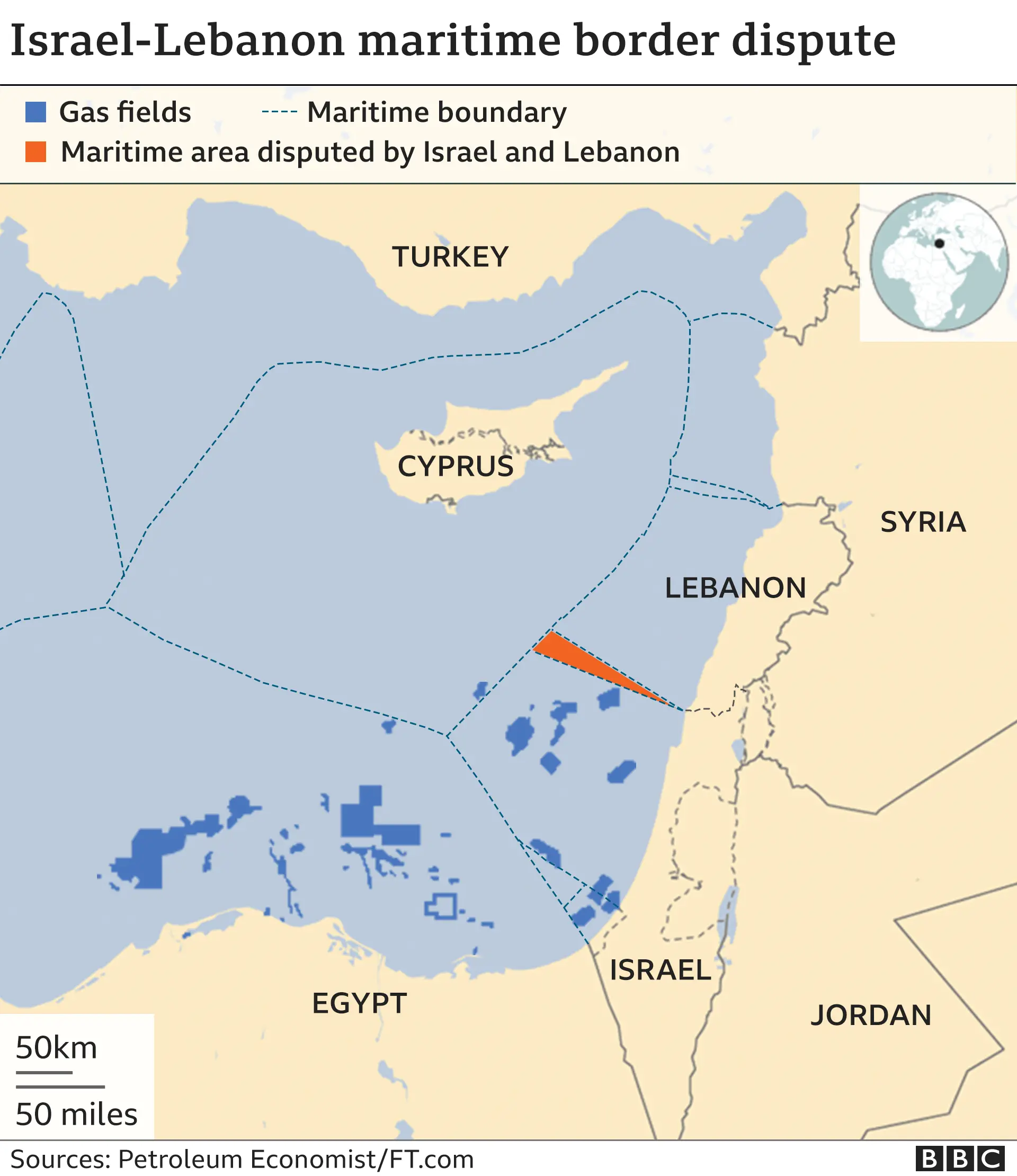
Furthermore, there is the issue of maritime security. Hezbollah’s anti-ship capabilities, provided by Iran, threaten the natural gas rigs in the Mediterranean that are vital to Europe’s energy diversification. A "peace" that leaves these assets under the shadow of Iranian-made Yakhont missiles is no peace at all. It is a hostage situation.
The Democratic Counter-Strategy
Moderate and progressive Democrats find themselves in an unusual position of alignment with hawks on this specific issue. Their concern stems from a fear of a massive humanitarian catastrophe. They recognize that if Lebanon is left out of the deal, Israel will eventually feel compelled to launch a full-scale ground invasion to clear the border permanently.
The push in D.C. right now is for UNSC Resolution 1701 to be given real teeth. That 2006 resolution was supposed to keep the area south of the Litani River free of any armed personnel except for the Lebanese Army and UNIFIL. In practice, it has been a joke. Hezbollah has spent nearly two decades building a subterranean fortress right under the noses of UN peacekeepers.
Any new deal must include:
- Intrusive verification at Lebanese ports of entry.
- Sanctions "snapbacks" triggered specifically by proxy aggression.
- Direct accountability for Iranian officials overseeing the "Foreign Operations" branch of the IRGC.
The Intelligence Gap
We also have to talk about the "how." How do you verify a ceasefire in a country as fractured as Lebanon? Traditional satellite imagery isn't enough to see what’s moving through the labyrinthine tunnels of the Bekaa Valley. It requires a level of human intelligence (HUMINT) and electronic surveillance that the Lebanese government is either unable or unwilling to provide.
If the U.S. enters a deal with Iran, it must demand a "transparency corridor." This is a hypothetical zone where international monitors have unfettered access to transit hubs. Without it, Iran will simply move its operations further into the shadows. The regime in Tehran has mastered the art of the "deniable escalation." They wait for a quiet Tuesday, then have a local affiliate fire a "rogue" drone, claiming they have no control over the "local resistance."
The Economic Leverage
Iran’s economy is currently gasping for air. The rial is in freefall, and internal dissent is a constant low-level hum that keeps the Mullahs awake at night. This is the leverage. The argument being made to the Trump transition team is that they shouldn't give away the farm for a nuclear freeze.
The U.S. holds the keys to the global financial system. By insisting that Lebanon be part of the package, the U.S. forces Iran to make a choice: Do they want a functioning economy, or do they want a forward-deployed militia in Beirut? They cannot have both.
Historically, Iran has been able to have its cake and eat it too because the West has been terrified of "regional escalation." But the escalation has already happened. The region is already on fire. The "fear of war" can no longer be used as an excuse to avoid the hard diplomatic work of dismantling the proxy networks.
Beyond the Nuclear Horizon
The fixation on "breakout time"—the time it takes Iran to produce enough fissile material for a bomb—has blinded policymakers to the conventional threat. A nuclear-armed Iran is a nightmare, but a conventional Iran that controls the levers of power in four Arab capitals is a daily reality that is currently killing people and choking global trade.
The Lebanon loophole is the most glaring example of this myopia. If the ceasefire is treated as a localized agreement between two nations, it will fail. It must be treated as a regional reset.
The Coming Collision
We are headed for a moment of truth. Either the new administration listens to the warnings coming from both sides of the aisle and integrates Lebanon into the grand bargain, or we are simply setting the timer for a much larger explosion.
Israel will not wait forever. Their patience with international diplomacy that fails to secure their northern border is non-existent. If the U.S.-Iran deal is seen as a betrayal of Israeli security interests, the resulting friction could cause a rift in the U.S.-Israel relationship that would take decades to heal.
The move now is to stop treating Lebanon as a "secondary theater." It is the main stage. Every missile that travels from an Iranian factory to a Lebanese hillside is a violation of the spirit of any ceasefire. If the negotiators in Geneva or Doha or wherever they meet next don't realize that, they aren't negotiating a peace—they are managing a surrender.
The administration must realize that "America First" means ensuring that American allies aren't left holding the bag for a half-baked deal. Peace is not the absence of conflict; it is the presence of an enforceable order. In Lebanon, that order is currently missing.
Demand that the "Lebanon Annex" be the first item on the agenda. Anything less is an invitation for Iran to keep playing the game it has been winning for forty years.


