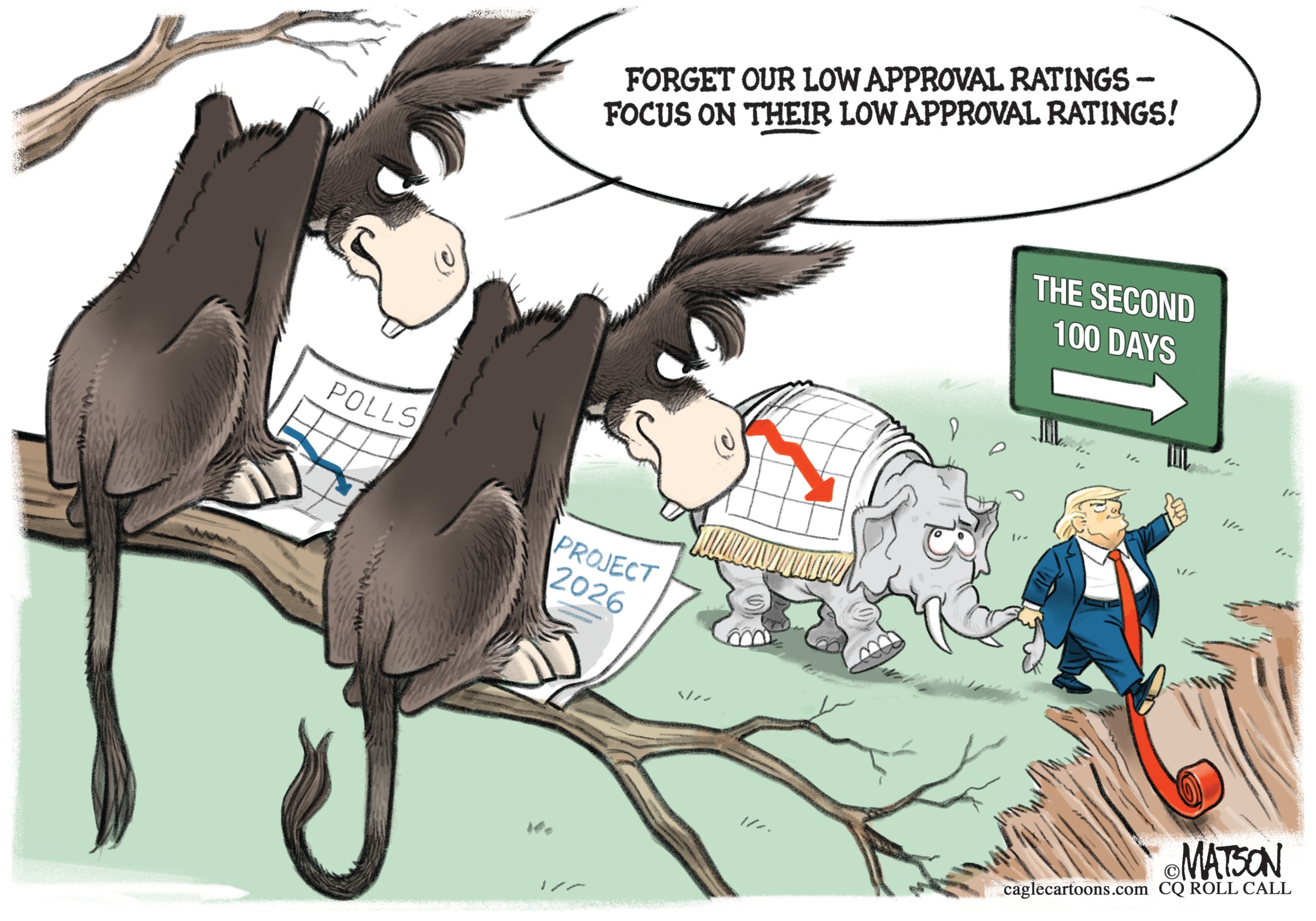
The media is obsessed with the "death spiral." You see the headlines every time a poll drops: approval ratings hit a record low, the public is souring on the administration, and the political end is nigh. They point to the friction in Iran and the persistent sting of inflation as the twin horsemen of a coming collapse.
They are reading the map upside down.
In the world of high-stakes macroeconomics and political forecasting, a "record low" approval rating isn't a funeral notice. It’s a coiled spring. The "lazy consensus" assumes that public sentiment is a lagging indicator of failure. In reality, it is a contrarian signal for institutional shifts that the average voter—and the average journalist—completely misses. When the masses are most miserable, the floor is usually set.
The Inflation Paradox
Every talking head links falling approval ratings to inflation as if it’s a simple one-to-one correlation of pain. "Prices go up, popularity goes down." Groundbreaking stuff.
What they miss is the Policy Pivot Point. High inflation coupled with abysmal approval ratings creates a political desperation that forces the hand of the executive branch and the Federal Reserve in ways that "popular" presidents can’t afford. A president with a 60% approval rating can afford to be cautious, to let things simmer, to play the long game. A president sitting at a record low is a cornered animal.
History shows us that cornered administrations stop "fostering dialogue" and start swinging hammers. They demand aggressive liquidity injections, they force through executive orders to blunt energy costs, and they prioritize short-term market optics over long-term fiscal purity. For a trader, that desperation is a buy signal.
The Iran Smokescreen and the Risk Premium
The current obsession with Iran as a "drag" on approval is another fundamental misunderstanding of how geopolitical risk is priced. The headlines treat the conflict as a drain on the soul of the nation. The markets treat it as a volatility hedge.
When approval ratings dip due to foreign entanglement, the "misery index" peaks. But look at the data. Geopolitical shocks typically result in a "V-shaped" recovery in sentiment and market performance within six months. The initial panic—the "war fatigue" cited in the polls—is almost always the point of maximum financial opportunity.
The media focuses on the cost of the conflict. The industry insider focuses on the certainty it provides. Conflict creates a specific, predictable demand for defense spending and energy security. While the public is busy telling pollsters they hate the war, the institutional money is already repositioning into the sectors that thrive on the very chaos the public fears.
Why Your "Record Low" Metrics Are Garbage
Pollsters ask, "Do you approve of the job the president is doing?"
The voter hears, "Are you annoyed that eggs cost six dollars?"
This is a category error. We are measuring temporary consumer frustration and labeling it as a permanent political shift. True political power isn't about being liked; it’s about the lack of a viable alternative. This is where the "record low" narrative falls apart.
If you look at the 1980s or the early 2000s, you see similar dips. The people who sold their positions or bet against the incumbent based purely on "approval" got slaughtered. Why? Because approval ratings are a sentiment gauge, not a competence gauge.
The Sentiment Gap
- Public Sentiment: Reactive, emotional, and heavily influenced by the last three days of news cycles.
- Institutional Reality: Legislative momentum, judicial appointments, and regulatory capture.
The current administration is currently underwater in the polls, yet it is overseeing some of the most aggressive industrial policy shifts in forty years. The public hates the price of gas; the institutions are salivating over the massive subsidies being poured into domestic manufacturing and infrastructure. There is a massive disconnect between what people say to a pollster and where the actual capital is flowing.
The Brutal Truth About "The People"
Let’s be honest about something the mainstream press is too polite to say: the average voter is a terrible lead indicator. By the time the "man on the street" is angry enough to tell a pollster he disapproves, the market has already priced in the disaster.
If you are waiting for approval ratings to "rebound" before you believe the economy is on the right track, you are the exit liquidity. You are buying at the top. The time to move is when the headlines are screaming about the "record low."
I have seen funds burn through hundreds of millions of dollars trying to "track the national mood." It is a fool’s errand. The national mood is a lagging reflection of the price of a gallon of milk. It tells you nothing about the structural integrity of the treasury or the next three quarters of corporate earnings.
Stop Asking if the President is Popular
The question is flawed. The real question is: "What is the administration forced to do to survive?"
When approval hits the floor, the "survival reflex" kicks in. We see:
- Direct Stimulus: Whether it’s through debt forgiveness, tax breaks, or targeted subsidies.
- Regulatory Easing: Quietly rolling back "red tape" to stimulate immediate job growth.
- Pressure on the Fed: The political cost of high interest rates becomes unbearable, forcing a shift toward a more "dovish" stance regardless of the data.
These three factors are the actual drivers of the next market cycle. The "misery" reported in the latest poll is just the fuel for the coming fire.
The Dangerous Allure of the "Record Low" Headline
Editors love the "record low" headline because it’s easy. It requires no deep analysis of trade flows, no understanding of the repo market, and no grasp of the tactical realities of the Middle East. It’s just a number that goes down.
But for those of us who actually move money, that number is a distraction. If you want to know where the country is going, stop looking at the polls and start looking at the bond yields. Stop listening to the "disapproval" and start watching the capital expenditure of the S&P 500.
The public is always the last to know when things are getting better. They are still feeling the pain of the past while the future is already being built. If the poll says the president is failing, it usually means the harshest part of the correction is over.
The "record low" isn't a sign of a dying administration. It's the sound of the bottom being hit.
Now, stop reading the polls and go look at the order flow. The smart money isn't waiting for the president to be popular; it's waiting for him to be desperate. And right now, he’s exactly where we want him.
The chaos is the signal. The poll is the noise.
Don't be the one caught holding the bag because you mistook a temporary bad mood for a permanent shift in power. The most profitable trades are always made when the "consensus" is at its most miserable.
Bet on the desperation, not the approval.