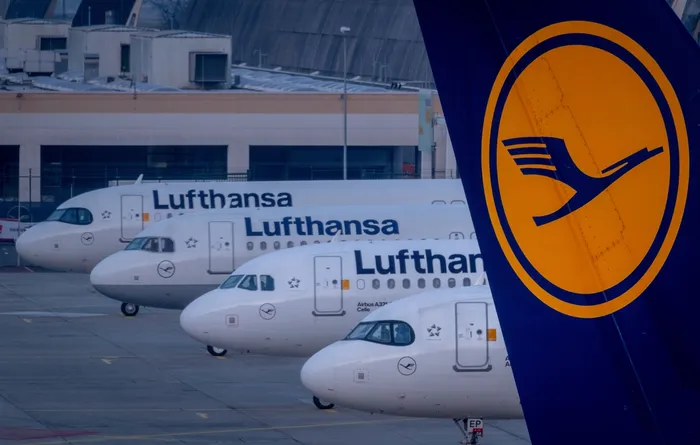
Lufthansa just hit the panic button. The German carrier is slashing 20,000 flights from its summer schedule, and while they’re pointing the finger at high jet fuel prices and staff shortages, there’s a lot more bubbling under the surface. If you’ve got a ticket booked with them, or any of their subsidiaries like Swiss or Austrian Airlines, you need to pay attention right now. This isn't just a minor tweak to a few routes. It’s a massive contraction that shows how fragile the aviation recovery actually is.
You might think this is just about "saving fuel." That’s the corporate line. But let's be real. Fuel prices are a convenient scapegoat for a deeper structural mess. Airlines across Europe are struggling to find enough ground crew, security staff, and pilots to handle the post-pandemic surge. Lufthansa is basically admitting they can’t run the airline they promised to run. By cutting these flights, they're trying to prevent a total meltdown at hubs like Frankfurt and Munich. It's a preemptive strike against chaos. For a closer look into this area, we recommend: this related article.
The Real Cost of Flying in 2026
Jet fuel prices have been on a roller coaster. For an airline of Lufthansa's scale, even a small tick upward in the price per gallon translates to millions in added costs. They use hedging to try and lock in lower prices, but those hedges eventually run out. When they do, the airline is exposed to the raw volatility of the global energy market.
But here’s the thing. Cutting flights to "save fuel" is a double-edged sword. You save on the kerosene, sure, but you lose the revenue from every single seat on those 20,000 flights. You also lose the trust of passengers who are now scrambling to find new ways to get to their vacations or business meetings. Lufthansa is betting that it’s cheaper to not fly at all than to fly half-empty planes with expensive fuel and a staff that’s burnt out. For broader information on this issue, comprehensive analysis can be read on Travel + Leisure.
Why Staffing is the Secret Killer
Ground handling is the invisible glue of an airport. If there aren't enough people to load bags or push back planes, the whole system grinds to a halt. During the pandemic, thousands of experienced workers left the industry. They didn't just sit around waiting for travel to return. They found jobs in logistics, retail, and tech—jobs with better hours and less stress.
Now, Lufthansa and its partners are trying to hire them back, but it's not working. The pay isn't high enough to lure people back to the high-pressure environment of a major hub. This shortage is why you’re seeing those 20,000 cancellations. It’s better for the airline to cancel a flight weeks in advance than to have a plane full of people sitting on the tarmac for three hours because there’s no one to move the luggage.
How This Hits Your Wallet
Expect prices to go up. It’s basic supply and demand. When Lufthansa removes 20,000 flights from the market, the total number of seats available drops significantly. The demand for summer travel hasn't gone away, though. It’s still through the roof.
- Fewer seats mean higher fares. You’re competing with more people for a smaller pool of tickets.
- Reduced competition on specific routes. If Lufthansa was the only one flying a specific direct route and they cut it, you’re forced onto a connecting flight or a different carrier that knows it can charge a premium.
- Ancillary fees are rising. Look for airlines to get even more aggressive with bag fees and seat selection to make up for the lost volume.
If you haven't booked your summer trip yet, you're going to pay a "scarcity tax." It’s frustrating, but it’s the reality of the current market. Honestly, if you see a fare that looks even remotely reasonable right now, you should probably grab it. Waiting for a "last-minute deal" is a recipe for staying home this year.
The Ripple Effect Across the Lufthansa Group
Lufthansa isn't just one airline. It’s a massive group that includes Eurowings, Swiss International Air Lines, Austrian Airlines, and Brussels Airlines. When the mothership starts cutting, the ripples are felt everywhere.
Eurowings, their low-cost arm, is particularly vulnerable. They operate on thinner margins and rely on high volume. Cutting flights there hurts even more because they don't have the premium cabin revenue to fall back on. Swiss and Austrian are also feeling the squeeze, with their own schedules being trimmed to align with the Group’s new, leaner reality.
The Frankfurt and Munich Bottleneck
Frankfurt (FRA) and Munich (MUC) are Lufthansa’s two primary hubs. These airports are designed for high-frequency connections. When you start pulling flights out of the schedule, the "hub and spoke" model starts to break down.
If your flight from Berlin to Frankfurt is cancelled, you miss your connection to New York. Suddenly, the airline has to rebook you, pay for a hotel, and maybe even give you compensation under EU261 regulations. By cutting 20,000 flights now, Lufthansa is trying to avoid those massive compensation payouts later. It’s a calculated risk. They’d rather lose the sale now than pay a penalty later.
What You Should Do If Your Flight is Cancelled
Don't panic, but don't wait. If you get that dreaded email saying your flight is gone, you have rights. Under European law (EC 261/2004), the airline has specific obligations to you.
- Demand a Rebooking. The airline must offer you an alternative flight to your destination at the earliest opportunity. This doesn't have to be on a Lufthansa plane. If they can’t get you there on their own metal, they should be looking at partners or even competitors.
- Ask for a Full Refund. If the new flight doesn't work for you, you’re entitled to a full refund of your ticket price. Don't let them force you into a voucher if you want your cash back.
- Check for Compensation. If your flight was cancelled less than 14 days before departure, you might be eligible for cash compensation ranging from €250 to €600, depending on the distance of the flight. However, airlines often claim "extraordinary circumstances" to avoid paying. High fuel prices or planned schedule changes usually don't count as extraordinary, so keep pushing.
I’ve seen people give up after one phone call. Don’t be that person. Use the airline's app, try their social media channels, and if all else fails, show up at the airport counter. The squeaky wheel gets the rebooking.
The Environmental Argument is a Distraction
Lufthansa is talking a lot about "saving jet fuel" to sound environmentally conscious. It's a smart PR move. Everyone wants to reduce carbon footprints. But let’s be clear: this is a financial and operational decision first.
If fuel was dirt cheap and they had plenty of staff, they’d be flying every single one of those 20,000 flights. They’d find a way to fill the seats. Labeling this as a "green" initiative is a bit of a stretch. It’s corporate spin designed to make a painful service cut look like a noble sacrifice for the planet.
That said, fewer flights do mean fewer emissions. It’s a side effect, not the primary motivator. If we really wanted to talk about sustainable aviation, we’d be discussing Sustainable Aviation Fuel (SAF) and fleet modernization, not just cutting summer holiday routes because the math doesn't add up this quarter.
Is This the New Normal for European Travel
Probably. The era of ultra-cheap, reliable flights across Europe is fading. Between rising labor costs, environmental taxes, and fuel volatility, airlines are being forced to rethink their entire business models.
We’re likely looking at a future where there are fewer flights, but the ones that remain are more expensive and hopefully more reliable. Lufthansa is just the first big mover this season. Don't be surprised if Air France-KLM or IAG (British Airways and Iberia) follow suit with their own "adjustments" soon.
The days of hopping on a flight for the price of a decent dinner are mostly gone. Travel is becoming a luxury again. That might be a hard pill to swallow, but it’s where the industry is headed.
Immediate Steps for Travelers
Check your flight status right now. Don't wait for the airline to contact you. Log into the Lufthansa website or app and look at your booking. If it says "confirmed," check back every week.
If your flight is still active, start looking at "Plan B" options. Is there a train route that works? Could you drive? Having a backup plan will save you a lot of stress if the axe falls on your itinerary three weeks from now.
Also, look into travel insurance that specifically covers "scheduled airline failure" or "cancellation by carrier." Most basic policies don't cover this well, so read the fine print. You want a policy that will help you cover the cost of a new, last-minute ticket on a different airline if Lufthansa leaves you stranded.
Stop assuming your flight is a sure thing just because you have a confirmation number. In 2026, a ticket is basically a "maybe" until you're actually sitting in the seat and the wheels leave the ground. Be proactive, know your rights, and don't take "no" for an answer when dealing with customer service. If they can't get you to your destination, make sure they pay for the inconvenience.