Military escalations across Yemen have ruptured a fragile multi-year stalemate, transforming isolated skirmishes into an interconnected operational matrix. Understanding this theater requires moving past surface-level tactical reporting to examine the structural mechanics driving both the internationally recognized government counteroffensive and Houthi defensive maneuvers. Each geographic sector operates as a variable within a broader mathematical equation of state survival, logistical control, and external deterrence.
The Red Sea Choke Point And Maritime Coercion
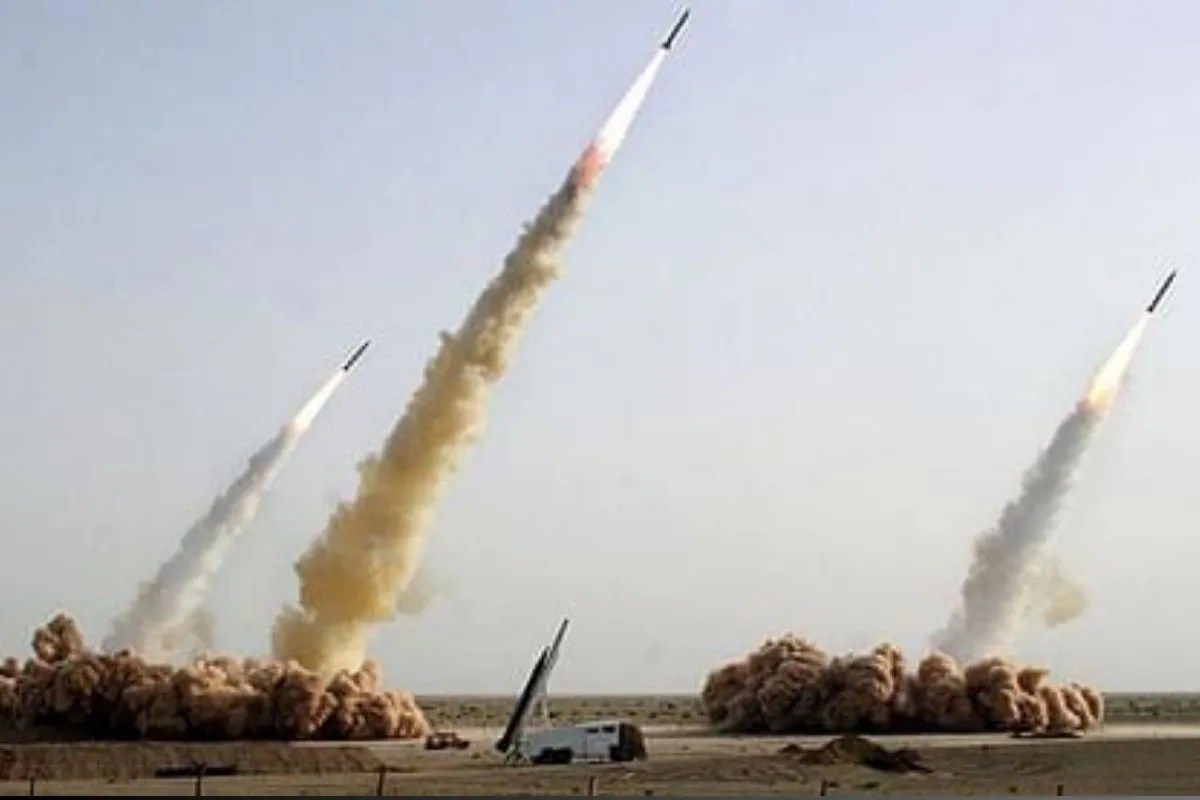
The maritime corridor flanking the Bab al-Mandeb Strait dictates the economic viability of regional and international trade networks. Houthi operations targeting commercial and military vessels function through asymmetric denial tactics. By deploying low-cost uncrewed surface vehicles, coastal cruise missiles, and loitering munitions, forces in Hodeidah and recently seized coastal positions extract systemic economic penalties on global shipping lanes without requiring a blue-water navy.
The strategic utility of this front lies in cost-asymmetry. Intercepting low-cost munitions using sophisticated naval air-defense batteries creates an unsustainable expenditure ratio for defending powers. Consequently, the maritime zone serves as an external pressure valve. When internal territorial control faces threats, maritime escalation forces third-party states and coalition partners to divert attention and resources toward convoy protection, shifting the operational initiative away from land-based adversaries.
The Domestic Land Corridors: Marib, Taiz, And Al-Jawf
On land, the military calculus centers on vertical elevation, transit arteries, and urban density. The government counteroffensive, backed by regional coalition air support, seeks to fracture Houthi interior lines of communication.
- The Marib Sector: Serving as the hydrocarbon and energy heartland, Marib represents the fiscal baseline for government administration. Control of this sector dictates revenue generation capacity. A successful Houthi push here collapses state administrative funding, whereas a government hold secures an operational springboard toward the capital.
- The Taiz Urban Enclave: Operating as a high-density human terrain bottleneck, Taiz fragments Houthi force concentration. Prolonged urban friction ties down significant brigades, preventing rapid redeployment to northern or eastern boundary zones.
- The Al-Jawf Tribal Buffer: This northeastern expanse tests the limits of tribal co-optation. Governance in this zone relies less on mechanized armor and more on transactional security arrangements with local confederations. Fractures here create immediate flanking vulnerabilities for interior supply routes leading to Sanaa.
The Cross-Border Deterrence Dilemma For Riyadh
Southern Saudi Arabia functions as an externalized front line. Ballistic missile and drone impacts on infrastructure hubs like Jizan, Abha, and Khamis Mushait impose political and economic friction on the kingdom's diversification agendas.
Riyadh faces a rigid operational dilemma defined by two conflicting imperatives:
- The De-escalation Imperative: Years of resource expenditure in Yemen produced a strategic desire for diplomatic disengagement and border stabilization. Open-ended military campaigns derail national economic transformation plans.
- The Credibility Imperative: Unchecked structural strikes on civilian and energy infrastructure require an active deterrent response. Absorbing kinetic impacts without kinetic riposte invites escalation dominance by resilient non-state actors.
To resolve this, the regional coalition attempts to calibrate responses through proxy-backed ground forces rather than direct large-scale air campaigns, transferring the attrition burden back to the internationally recognized government infantry units.
The Structural Limitations Of A Decisive Military Campaign
Despite official rhetoric vowing to retake Sanaa, structural constraints inhibit a rapid operational breakthrough for either faction.
First, severe logistical bottlenecks plague government forces. Supply lines stretching from southern ports across rugged terrain remain vulnerable to asymmetric ambushes and improvised explosive devices. Second, human capital depletion—manifested through rising child recruitment, high casualty rates, and massive internal displacement crises centered around Taiz—erodes the societal endurance required for a prolonged campaign. Third, external macroeconomic shocks and parallel regional conflicts dilute the focus and material assistance available from international patrons.
Strategic Action
To alter the strategic equilibrium without triggering an unmanageable all-out war, government forces and allied coalitions must abandon broad, resource-draining territorial offensives. Instead, operations should execute a targeted containment strategy: secure the energy infrastructure nodes in Marib, reinforce anti-access aerial defense layers along the southern border corridors, and leverage maritime interdiction intelligence to choke the flow of smuggled dual-use components feeding the Houthi missile enterprise.
Yemeni forces launch counteroffensive against Houthis, vow to retake Sanaa
This video provides an on-the-ground look at the intensified multi-front clashes and the strategic objectives driving the current government counteroffensive.
http://googleusercontent.com/youtube_content/1