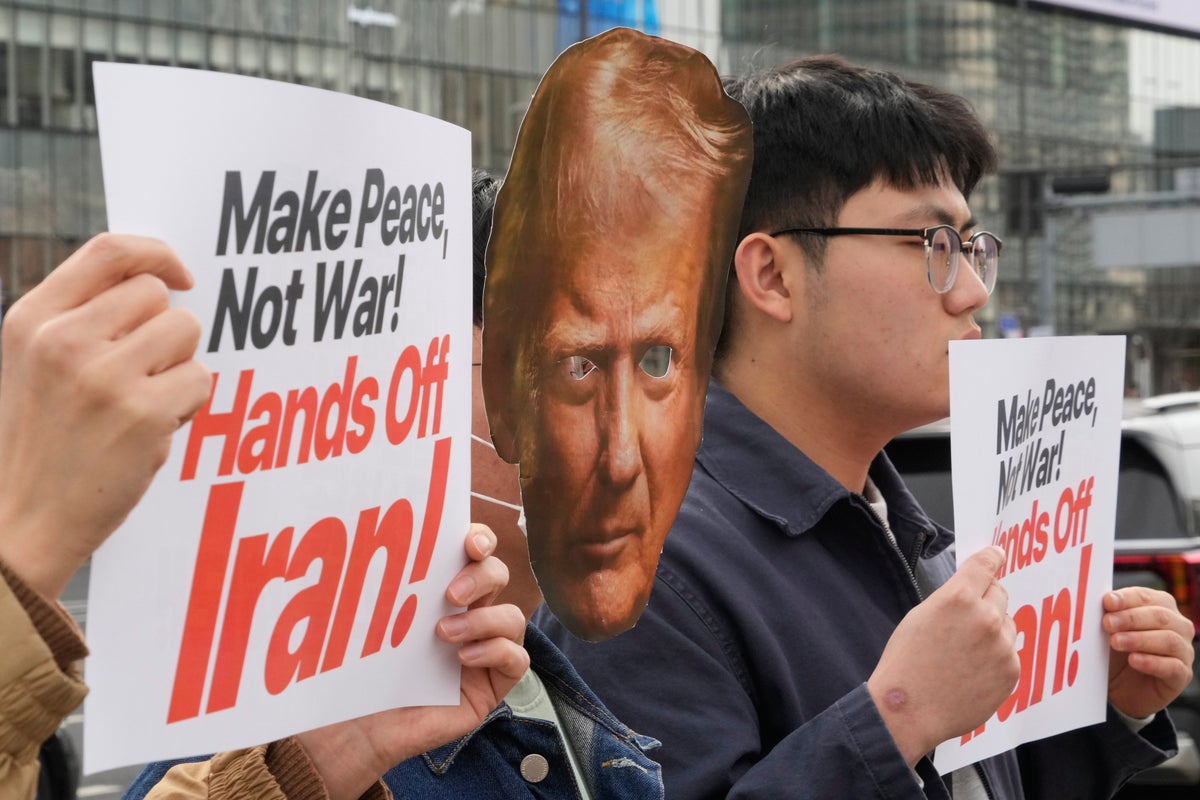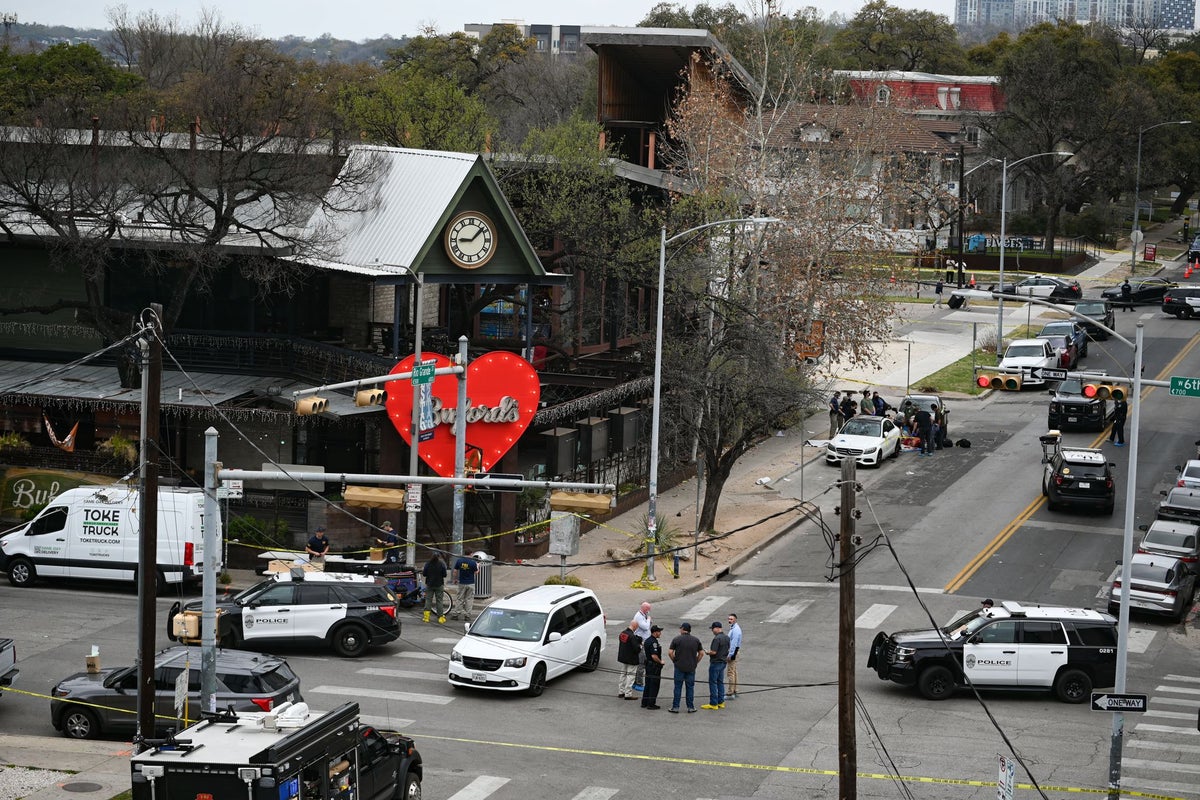
In the immediate aftermath of the Texas bar shooting, before the brass casings had even cooled or the local police had identified a suspect, Representative Marjorie Taylor Greene took to social media to weave a narrative of international terror. She linked a local tragedy directly to Iranian airstrikes, bypassing the investigative process to deliver a verdict that suited her specific brand of political theater. Her solution was as predictable as her diagnosis. She told her followers that everyone needs to start carrying firearms. This leap from a local crime scene to a geopolitical act of war represents a shift in how American leaders communicate during crises, prioritizing narrative speed over factual accuracy.
The incident in Texas, while tragic and violent, initially lacked any verified connection to foreign intelligence or state-sponsored sleeper cells. Yet, Greene’s rhetoric functioned as a bridge, connecting the anxieties of domestic safety with the complexities of Middle Eastern conflict. By labeling the event "terrorist" in nature without a briefing from the Department of Justice or the FBI, she effectively weaponized a local tragedy to push for a broader, more aggressive stance on both foreign policy and Second Amendment rights.
The Mechanics of the Instant Narrative
Modern political discourse moves faster than the truth. When a congresswoman with millions of followers makes a definitive claim, that claim becomes reality for a significant portion of the electorate long before the first official press conference. Greene’s strategy relies on a vacuum. In the hours following a high-profile shooting, information is scarce. People are looking for answers. They are looking for someone to blame. By providing a villain—in this case, Iran—Greene fills that vacuum with a ready-made explanation that requires no nuance.
This isn't just about one politician’s Twitter feed. It is about the erosion of the barrier between speculative commentary and official representation. When a member of the House Homeland Security Committee suggests a domestic shooting is an act of war, the implications are massive. It suggests that our borders are porous to hit squads and that our local police are the front lines of a global conflict. This creates a state of perpetual high alert, where every crime is seen through the lens of national security.
The Call to Arm a Nation
Greene’s insistence that "everyone needs to start carrying" is the second half of her rhetorical pincer movement. First, she creates an atmosphere of existential dread by invoking foreign terrorists. Then, she offers the only "logical" defense: individual armament. It is a philosophy of total self-reliance that views the state as incapable of providing basic safety.
This perspective ignores the logistical and legal realities of urban environments. In a crowded bar, the introduction of multiple "good guys with guns" during a chaotic, dark, and high-stress event often leads to more casualties, not fewer. Law enforcement officers have repeatedly noted that identifying a suspect becomes nearly impossible when five different civilians have weapons drawn. Greene’s advice simplifies a life-or-death tactical nightmare into a slogan, disregarding the training and discipline required to effectively use a firearm in a crisis.
The Iran Connection and the Shadow of War
The specific mention of Iran is not accidental. At a time when tensions between Washington and Tehran are simmering, linking a domestic shooting to Iranian retaliation serves to beat the drums of war. It frames domestic policy as an extension of the battlefield. If the public believes that every bar or shopping mall is a potential target for a foreign adversary, they are more likely to support aggressive military spending and interventionist foreign policies.
However, the "investigative" leap required to make this connection is massive. Investigative journalism requires following a trail of evidence—money, communication logs, and ballistics. Greene’s approach skips the trail entirely and jumps to the destination. It is a form of speculative governance that prioritizes the emotional impact of a statement over its verifiable truth.
The Cost of Categorizing Crime
Labels matter. When we call a shooting "workplace violence" or a "robbery gone wrong," we are describing a motive. When we call it "terrorism," we are describing an ideological attack on the state. By applying the terrorist label prematurely, Greene bypasses the criminal justice system and moves the event into the realm of the military.
This creates a dangerous precedent. If any violent act can be rebranded as a foreign attack based on the political needs of the moment, the definition of terrorism becomes meaningless. It becomes a tool for partisan maneuvering rather than a specific legal category used to protect the country. The Texas shooting deserves a thorough investigation that looks at the shooter’s history, their access to weapons, and their mental state. Reducing that complex investigation to a talking point about Iran does a disservice to the victims and the community seeking real answers.
The Breakdown of Institutional Trust
Every time a public official makes a claim that is later debunked by investigators, the public’s trust in the system fractures further. If the Texas shooter turns out to be a local resident with no ties to Tehran, Greene’s followers are unlikely to see it as a correction. Instead, they may view the official report as a "cover-up" designed to hide the "truth" she previously provided. This creates a cycle where official facts are viewed with suspicion and partisan speculation is treated as the "hidden truth."
The reality of public safety in America is far more complicated than a simple "carry a gun" directive. It involves mental health infrastructure, community policing, and a foreign policy that doesn't constantly leak into domestic anxieties. We are currently living in an era where the loudest voice in the room determines the cause of a tragedy before the police have even taped off the perimeter.
Analyzing the Impact on Local Law Enforcement
Local departments are often caught in the crossfire of these national narratives. When a local incident is nationalized, the pressure on investigators becomes immense. They are no longer just solving a crime; they are being asked to confirm or deny the theories of powerful politicians. This can skew an investigation, forcing resources toward disproving wild theories instead of following the actual leads on the ground.
The Texas authorities are faced with a double challenge. They must secure a community shaken by violence while also managing the fallout of a congresswoman’s global conspiracy theories. It is a burden that small-town precincts are rarely equipped to handle. The focus should be on the survivors and the families of the victims, not on geopolitical posturing.
The Escalation Ladder
We are seeing a trend toward the "totalization" of politics. Every event is now connected to every other event in a grand, unified theory of conflict. A shooting in Texas is an airstrike in Iran; an election in one state is a threat to the entire Republic. This interconnectedness makes every problem seem unsolvable and every solution seem violent.
When Greene tells her followers to arm themselves, she isn't just talking about self-defense. She is talking about a state of mind where one must always be ready for combat. It is an exhausting way to live and a volatile way to govern. The constant state of emergency required to sustain this narrative prevents any actual progress on the issues that lead to violence in the first place.
Moving Beyond the Soundbite
The "hard-hitting" truth is that we don't know the full story of the Texas shooting yet, and that is exactly the point. Real investigation takes time. It involves the painstaking work of forensic accountants, digital investigators, and neighborhood canvassing. It doesn't happen in the time it takes to type 280 characters.
The rush to judgment by public officials serves no one but themselves. It builds their brand, it drives their engagement, and it deepens the divide in a country that is already on edge. If we want to address the root causes of violence, we have to be willing to look at the facts as they are, not as we want them to be to support a pre-written script.
The survivors of the Texas shooting deserve better than to be used as props in a debate about Iranian foreign policy. They deserve a justice system that works methodically and a leadership that values the truth over the next viral moment. Until we demand a higher standard of evidence from our representatives, we will continue to see local tragedies repurposed as weapons of mass distraction.
The next time a headline blares a connection between a local crime and a global war, ask who benefits from that fear. Usually, it is the person telling you that you’re the only one who can save yourself. Check the evidence before you check your holster.