The neon glow of a recording studio is supposed to be a sanctuary. It is a place where heartbreak is distilled into digital files and where a teenage boy from Houston can transform into d4vd, a global sensation with a voice that sounds like a bruised velvet ribbon. But in the cold light of a courtroom, that same voice hits a wall of silence. The music stopped for David Burke when the handcuffs clicked, but for Celeste Rivas, the music ended much sooner, in a way that no indie-pop ballad can ever fix.
We live in an era where we feel we own the artists we stream. We track their sleep schedules, their breakups, and their cryptic Instagram stories as if we are reading the blueprints of their souls. When the news broke that d4vd had been charged with the murder of fifteen-year-old Celeste Rivas, the internet didn't just react; it fractured. There is a specific kind of vertigo that comes with learning that the person who sang you to sleep might have been a monster in the waking world.
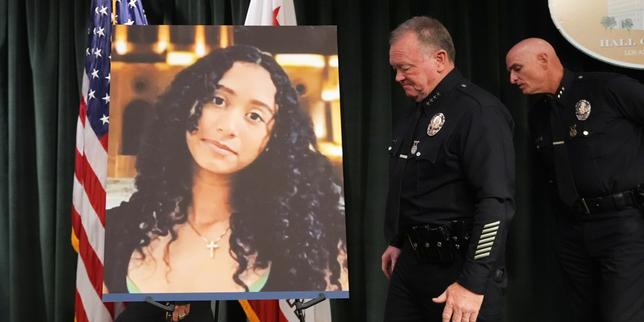
The facts are as jagged as broken glass. Celeste Rivas was found dead in 2025. She was a child, a fan, a person with a life that existed entirely outside the periphery of a tour bus or a VIP tent. For months, the case was a ghost story haunting the headlines of local news, a "tragic discovery" that lacked a face for its villain. Then, the investigators followed a trail of digital breadcrumbs—messages, location data, the invisible tethers of the modern age—and it led them straight to the doorstep of one of the most meteoric stars in modern music.
The Anatomy of a Parasocial Nightmare
Consider the power dynamic. To a fifteen-year-old girl, a star isn't a human being with flaws and legal boundaries. A star is a constellation. They are a North Star to guide your own identity. When that star reaches back through the screen, the world tilts.
The prosecution’s case suggests a narrative far darker than the melancholic lyrics d4vd became famous for. It isn't just about a single act of violence; it’s about the terrifying ease with which fame can be used as a camouflage. In the studio, d4vd was the king of "bedroom pop," an aesthetic defined by intimacy, vulnerability, and raw emotion. It is the ultimate irony. The very vulnerability that made millions of fans trust him is now the lens through which we have to view his alleged predation.
Think about the sheer weight of that betrayal. Every stream of "Romantic Homicide"—a song that catapulted him to fame with its lyrics about killing a version of a lover—now feels like a sickening premonition rather than an artistic metaphor. The audience is left grappling with a moral autopsy. Can you listen to a voice that you now know might have been used to lure a child to her end?
The Paper Trail of a Tragedy
The legal proceedings have peeled back the curtain on a lifestyle that was far less "lo-fi" than his aesthetic suggested. Evidence presented in the indictment paints a picture of a 2025 that felt like a fever dream. While the public saw a young man performing on late-night talk shows and headlining festivals, the authorities see a man who was allegedly navigating a secret life.
Data doesn't lie, even when people do. Cell tower pings don't care about Grammy nominations. The indictment details a series of movements that place Burke in proximity to Rivas at the time of her disappearance. It speaks to a digital footprint that no amount of PR scrubbing can erase. We often think of celebrities as untouchable, shielded by a phalanx of lawyers and managers who exist to keep the "brand" pristine. But a brand cannot bleed. A brand cannot stand trial. David Burke, the person, is now standing in the shadow of the image he spent years building.
There is a hollow feeling in the chest of the music industry right now. It’s the sound of a vacuum. For the fans who spent their savings on concert tickets and merch, the indictment is a personal robbery. They are mourning Celeste Rivas, but they are also mourning the version of the world where their heroes were safe.
The Invisible Stakes of Digital Intimacy
This isn't just a story about a celebrity and a victim. It is a story about the dangerous blurring of lines in the creator economy. When an artist builds their brand on being "one of us"—the kid in the bedroom, the relatable loner—they bypass the traditional gatekeepers of fame. They speak directly into the ears of their audience through AirPods. They feel like friends.
That perceived friendship is a weapon. In the case of Celeste Rivas, that weapon was allegedly used with lethal precision. The invisible stakes here are the safety of an entire generation of fans who have been taught that proximity to fame is the ultimate validation. We have created a culture where a "follow" from an idol is a life-changing event, ignoring the fact that behind the blue checkmark is a person capable of anything.
The legal system will eventually provide a verdict. There will be motions, testimonies, and a final gavel. But for the family of Celeste Rivas, the "content" of this case is their reality every single morning. They don't get to turn off the track. They don't get to skip to the next artist on the playlist.
Beyond the Blue Light
The tragedy of 2025 serves as a grim reminder that the internet is not a separate world. It is the real world, just faster and more deceptive. The bedroom pop genre was supposed to be about the safety of one’s own space, the private thoughts we keep under our pillows. But for Celeste, that space was invaded by the very thing she likely turned to for comfort.
We are left staring at a distorted reflection. We see a young man who had the world in the palm of his hand and, according to the state, crushed the life out of a girl who just wanted to be seen by him. It is a story of power, the ultimate imbalance, and the permanent silence of a fifteen-year-old girl who deserved to grow old enough to realize that her idols were just men.
As the trial approaches, the airwaves remain filled with the songs that made him a star. But the melody has curdled. Every note now carries the weight of an indictment, and every lyric feels like an interrogation. The stage lights have gone out, replaced by the flickering fluorescent bulbs of a holding cell, leaving us to wonder how many more tragedies are hidden in the discographies of the people we think we know.
The record is skipping. The room is quiet. And in that silence, we finally hear the name that matters.
Celeste Rivas.