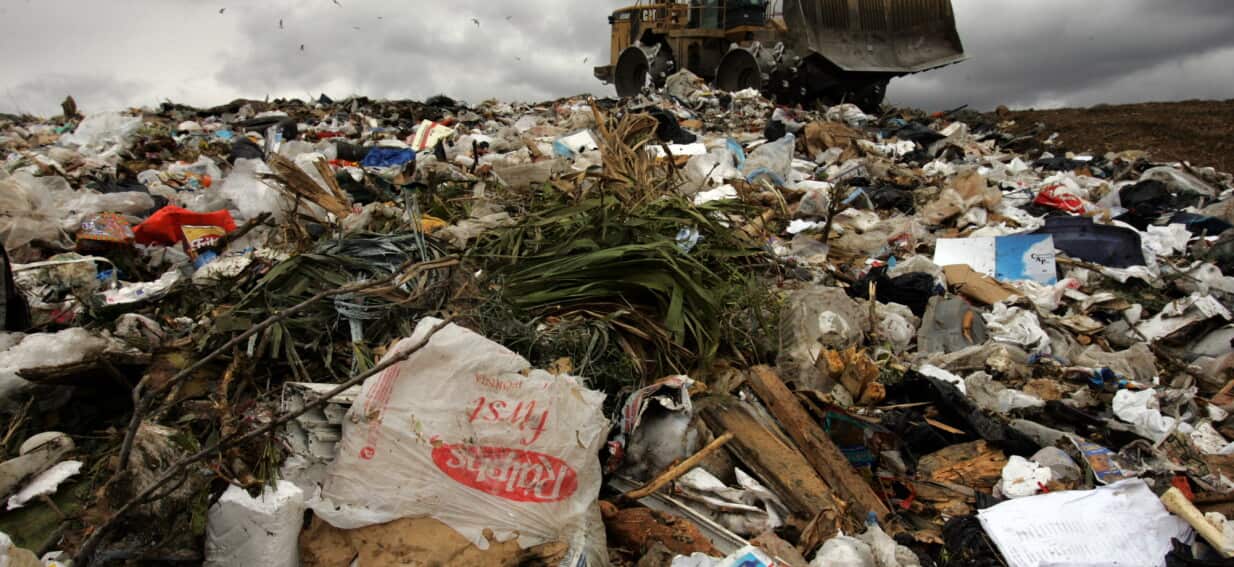
Cross-border waste-to-energy initiatives fail when capital providers miscalculate the trade-offs between localized environmental risks and national utility inputs. The decision by the Fijian Ministry of Environment to reject the 900,000-tonne annual waste incineration plant proposed by The Next Generation Holdings (TNG)—led by Australian waste management executive Ian Malouf and fashion executive Rob Cromb—demonstrates the limitations of evaluating infrastructure projects through a narrow energy-generation framework.
The project was presented to Fiji's regulatory bodies as a dual-benefit infrastructure asset capable of addressing two structural vulnerabilities: domestic municipal solid waste accumulation and high reliance on imported petroleum for electricity generation. The developer's value proposition hinged on replacing up to 40% of Fiji's national electricity grid requirements, which are currently sustained via expensive, carbon-dense diesel generation. However, a rigorous structural breakdown of the project’s environmental impact statement reveals that the industrial scale required to achieve economic viability generated net economic liabilities that far outweighed the projected utility benefits.
The Scale Paradox and Asymmetrical Net Carbon Costs
The core systemic flaw in the TNG proposal lies in the scale asymmetry between Fiji's domestic waste output and the facility’s minimum efficient operational scale. To achieve the thermodynamic efficiencies required for modern waste-to-energy (WtE) operations, the proposed plant necessitated an annual throughput of 900,000 tonnes of municipal solid waste. Fiji’s sovereign population and domestic consumption patterns cannot generate this volume.
Consequently, the project model relied on a transshipment framework: importing hundreds of thousands of tonnes of non-recyclable plastic and municipal solid waste from across the Pacific rim via a dedicated private port on the Vuda coast. This structural dependence introduces a negative externality loop that invalidates the clean energy narrative.
- The National Emissions Baseline Distortion: According to the project’s environmental impact statement, operating the facility at its required 900,000-tonne capacity would increase Fiji’s gross national greenhouse gas emissions by 25%. While the displacement of diesel generation removes a localized fossil-fuel variable, the mass combustion of imported polymer-heavy municipal waste introduces a high volume of direct carbon dioxide emissions into the domestic carbon accounting ledger.
- The Logistics Carbon Premium: The carbon costs associated with maritime transshipment—transporting low-density, uncompacted or semi-compacted waste materials across thousands of nautical miles—were excluded from the primary energy efficiency calculations. This created an artificial optimization model that appeared sustainable within a isolated boundary but generated net positive emissions globally.
The Tourism Damage Curve and Spatial Proximity Risks
Fiji's macroeconomic stability is anchored on its premium ecotourism brand, concentrated heavily around Nadi and the adjacent Mamanuca and Yasawa island groups. The proposed site for the WtE facility was located within 15 kilometers of Nadi, positioning an industrial combustion asset directly upwind of the primary gateway for international visitors.
The operational risk matrix of a large-scale municipal waste incinerator contains two main variables that threaten localized hospitality assets:
- Aerosolized Particulate Dispersion: Despite modern flue-gas cleaning systems (such as fabric filters, scrubbers, and selective catalytic reduction), the risk of low-level emissions of sulfur dioxide, nitrogen oxides, and ultra-fine particulates remains non-zero. In a geography reliant on perceived environmental purity, the physical and optical presence of an industrial stack directly threatens the premium room-rate justification used by nearby eco-resorts.
- Hazardous Ash Byproducts: The combustion of 900,000 tonnes of heterogeneous waste generates significant volumes of bottom ash and highly toxic fly ash, the latter containing concentrated heavy metals, dioxins, and furans. The proposal lacked a verified, contained, and long-term domestic storage solution for hazardous residue management, introducing severe long-term liabilities for local groundwater tables and marine ecosystems.
The Institutional Asymmetry of Waste Colonialism
The rejection of the project underscores a growing institutional resistance among Pacific Island nations against external environmental arbitrage, often termed "waste colonialism." This occurs when industrialized economies externalize the back-end processing costs of consumer waste to developing nations under the guise of foreign direct investment or infrastructure development.
The structural misalignment between the corporate proponents and local stakeholders is summarized in the table below:
| Project Variable | Developer Valuation Metric | Sovereign Regulatory Valuation Metric |
|---|---|---|
| Primary Input Material | Revenue-generating feedstocks via transshipment tipping fees. | Imported environmental liability with high public health externalities. |
| Energy Output | 40% reduction in sovereign reliance on imported diesel fuel. | High-carbon energy generation that compromises international climate compliance. |
| Site Selection | Proximity to deepwater maritime access and existing grid infrastructure. | Spatial encroachment on premium tourism corridors and traditional lands. |
| Long-Term Risk Allocation | Corporate liability capped by special purpose vehicle structures. | Sovereign liability for perpetual containment of hazardous fly ash. |
The institutional veto exercised by Sivendra Michael, Fiji’s secretary for the environment, reflects a strict application of the precautionary principle. The department concluded that the analytical models provided by TNG failed to accurately quantify or mitigate the tail risks associated with toxic byproduct management and public health containment.
Regulatory Precedent and Corporate Arbitrage
The strategic history of the project’s primary backers provides essential context for evaluating Fiji's decision. Ian Malouf previously spent seven years attempting to secure regulatory approval for an analogous large-scale waste-to-energy facility in Sydney, Australia. That domestic proposal was rejected by New South Wales regulatory bodies in 2018 due to unresolved public health risks and ambient air quality concerns in urban areas.
The subsequent transition of the business model toward the Pacific islands suggests a strategy of regulatory arbitrage—attempting to deploy capital-intensive, high-emission infrastructure in jurisdictions perceived to have lower regulatory barriers or more urgent capital requirements. This capital strategy failed to account for the integrated nature of Fiji’s political economy, where traditional landowners and tourism operators wield significant veto power over environmental resource allocation.
Furthermore, the participation of Rob Cromb—owner of the fashion label Kookai, which maintains manufacturing operations in Fiji—reveals an attempt to bundle industrial infrastructure with existing corporate relationships. This leverage proved insufficient when measured against the clear structural threats posed to the broader tourism sector, which forms a larger component of Fiji's gross domestic product than textile manufacturing.
Structural Capital Deployment Alternatives
The failure of the TNG project offers an important lesson for future infrastructure investments in developing island economies. For waste management and energy projects to succeed in these markets, they must respect localized scale constraints and avoid transshipment dependencies.
- Decentralized Biomass and Modular Solar-Storage: Instead of centralized high-throughput combustion assets that require external fuel inputs, capital should target small-scale, modular energy assets. This aligns generation capacity with local demand profiles without introducing large-scale emission sources.
- Closed-Loop Domestic Waste Facilities: Rather than importing regional waste to achieve economies of scale, capital investment should focus on optimizing domestic waste streams. This involves mechanical biological treatment plants and localized organic composting facilities that reduce landfill volumes without requiring mass incineration or international shipping inputs.
Future infrastructure investments in the Pacific must ensure that the scale of the solution matches the scale of the domestic market. Projects that rely on importing external environmental liabilities to subsidize domestic utility infrastructure will continue to face regulatory rejection and community opposition.


