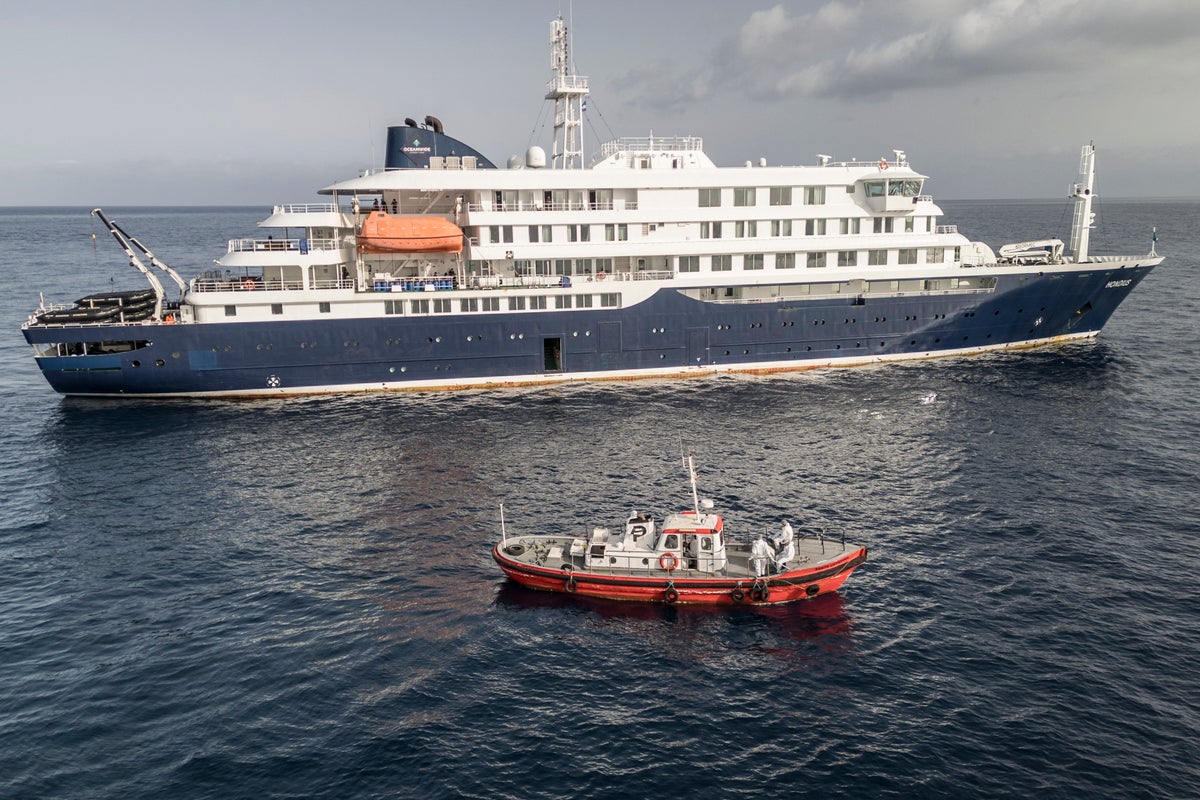
When three passengers died on an expedition ship in the Atlantic Ocean, the news sent shockwaves through the global travel community. The World Health Organization confirmed an outbreak of hantavirus on the MV Hondius, a polar-rated vessel that departed from Ushuaia, Argentina. You're probably wondering how a rare rodent-borne virus managed to strike an isolated cruise ship, whether human-to-human transmission is actually possible, and if there's any real risk of a wider spread. Let's break down the facts and separate the reality from the panic.
Understanding the Initial Outbreak Timeline
The timeline of the MV Hondius voyage shows a deeply troubling progression. The ship set off on April 1, 2026, carrying 88 passengers and 59 crew members representing over two dozen nationalities. On April 6, a Dutch passenger developed a high fever, headache, and mild diarrhea. He died on April 11 after showing signs of severe respiratory distress.
His wife accompanied his body off the ship at the remote island territory of Saint Helena. She subsequently collapsed during transit to Johannesburg and died on April 26. Laboratory testing posthumously confirmed that the woman was infected with hantavirus.
A third passenger, a German national, died on the ship with pneumonia-like symptoms. Meanwhile, a British man was medically evacuated to South Africa, where testing confirmed his hantavirus infection. He remains in the intensive care unit.
[Image of hantavirus structure]
How Does Hantavirus Actually Spread
We typically associate hantavirus infections with direct contact with rodent urine, droppings, or saliva. You get infected by breathing in contaminated dust when sweeping or vacuuming enclosed spaces where mice or rats have nested. However, this cruise ship outbreak presents a massive exception to the standard rule.
The ship operator, Oceanwide Expeditions, stated there are no rats or mice on board. Infectious-disease experts at the World Health Organization are working under the assumption that the initial couple was exposed to the virus in South America before boarding.
Most importantly, human-to-human transmission is exceedingly rare. It's only documented in specific strains of the virus, such as the Andes virus found in Argentina. The WHO notes that close, prolonged contact among the cases could have facilitated this rare secondary transmission on board.
Evaluating the Threat to the Public
Public health agencies emphasize that the risk to the general public remains low. The MV Hondius was held off the coast of Cape Verde, with passengers strictly isolated in their cabins to prevent any community spread. Cape Verdean authorities initially barred the vessel from docking. The World Health Organization coordinated medical evacuations to move the sick crew members and passengers to facilities equipped to handle respiratory distress.
"While rare, the WHO said hantavirus infections can be spread between people under exceptional conditions."
If you're wondering if India or other nations should worry about an impending global outbreak, the answer is no. The conditions required for this transmission are isolated to a highly confined group of travelers. The virus doesn't spread as easily through the air as influenza or COVID-19.
Recognizing the Symptoms
You need to know what signs to watch out for, especially if you're undertaking wilderness travel in remote regions. The illness typically incubates for two to four weeks. In severe cases, it progresses rapidly into hantavirus pulmonary syndrome.
Here are the key phases to monitor:
- Early signs: Fatigue, fever, muscle aches, headaches, and significant gastrointestinal distress including nausea and abdominal pain.
- Advanced signs: Coughing, fluid buildup in the lungs, shortness of breath, and rapid hypotension.
Practical Steps for Safe Travel
When you travel through ecologically diverse or remote regions, taking simple precautions will keep you safe.
- Avoid contact with wildlife: Never touch or feed wild rodents, and keep your distance from nesting areas.
- Practice hand hygiene: Wash your hands with soap or use an alcohol-based sanitizer after touching surfaces in remote cabins.
- Report symptoms early: If you develop a high fever after returning from an expedition, inform a medical professional about your travel history immediately.
- Follow quarantine guidelines: If health authorities advise isolation after a potential exposure, stay in your quarters to limit transmission.
The situation with the MV Hondius shows the importance of rapid epidemiological intervention and strict quarantine protocols. Stay informed, monitor your health during long voyages, and seek medical attention if you experience unexpected respiratory symptoms following travel.