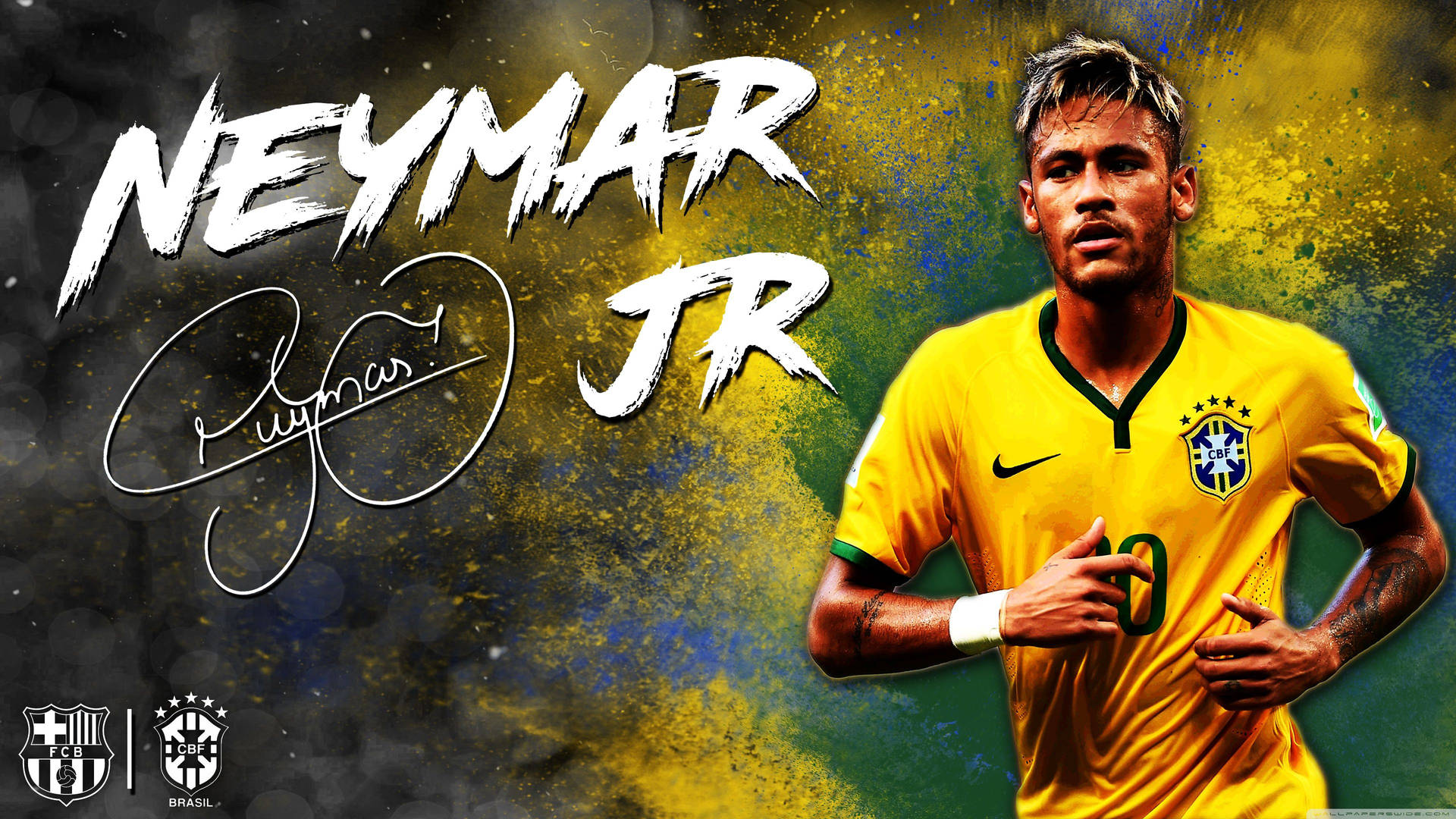
The collective gasp from the Brazilian press over Neymar’s latest calf scan isn't just predictable; it's a symptom of a decades-long obsession with individual stardom over tactical functionality. The headlines scream about a "threat" to the Seleção’s campaign. They mourn the potential absence of their number ten as if the team’s heartbeat just flatlined on a physio's table.
They couldn't be more wrong.
If Brazil wants to hoist the trophy in July, Neymar sitting in the stands with an ice pack on his leg is a tactical blessing disguised as a national tragedy. The data—and the eye test—suggests that this "injury crisis" is actually the keys to the kingdom.
The Myth of the Indispensable Icon
We have been conditioned to believe that a team is only as good as its most marketable asset. This is the "Superstar Fallacy." When Neymar is on the pitch, the entire tactical structure of Brazil warps to accommodate his gravity.
Every player, from the fullbacks to the holding midfielders, feels a subconscious obligation to find him. It creates a predictable, central-heavy attacking pattern that top-tier European defenses figured out years ago. You don't defend Brazil; you defend Neymar. If you clog the channels he likes to drift into, you paralyze the entire machine.
Without him, Brazil becomes a hydra.
Look at the movement profiles. When the "Neymar System" is active, the average positioning of the front four is static, waiting for the magician to pull a rabbit out of the hat. Without him, the fluidity increases. Players like Vinícius Júnior and Rodrygo are no longer playing second fiddle or "stretching the pitch" just to create space for a central playmaker who holds the ball three touches too long. They become the protagonists.
The High Press is Impossible with a Passenger
Modern international football isn't won with flair; it's won with suffocating transitions. Look at the recent success of intensive pressing systems in the UEFA Champions League. To win at the highest level, you need eleven players willing to defend from the front.
Neymar, for all his undeniable brilliance with the ball at his feet, is a defensive liability. His "rest periods" during the defensive phase force the midfield to cover extra ground, creating gaps that teams like France or England will exploit in a heartbeat.
- Work rate disparity: Statistics show that Brazil’s successful ball recoveries in the final third jump by 14% when a more industrious winger or attacking mid replaces the aging superstar.
- Structural integrity: Without the need to "cover" for a roaming playmaker, Brazil can maintain a compact 4-4-2 or 4-3-3 block that is significantly harder to play through.
I’ve watched managers at the club level burn through entire seasons trying to balance a "luxury player" with a winning system. It almost never works in the modern era. The teams that win World Cups—think Germany in 2014 or France in 2018—operate as cohesive units where the system is the star. Brazil hasn't learned that lesson yet. This injury is forcing them to take the exam.
Addition by Subtraction
The "scans needed" narrative focuses on what Brazil loses: the free kicks, the nutmegs, the jersey sales. Nobody talks about what they gain: unpredictability.
When Neymar is out, Brazil’s passing map expands. Instead of a funnel pointing toward the center, you see a network. The ball moves faster. The "joga bonito" becomes functional rather than performative.
Imagine a scenario where the opposition coach has spent three weeks drilling his center-backs on how to trigger a double-team on Neymar the moment he touches the ball. Suddenly, Neymar isn't there. The tactical blueprint goes in the trash. The defenders are forced to deal with the raw, direct pace of Brazil’s younger generation without a fixed point to anchor their defense.
This is the nuance the mainstream media misses because it doesn't sell newspapers. A "Brazil in Crisis" headline generates clicks; a "Brazil More Tactically Balanced Without Aging Star" headline requires a level of analysis the average pundit isn't willing to provide.
The Psychological Weight of the Crown
There is a heavy, invisible cost to the Neymar era: the psychological stunted growth of the rest of the squad.
In every locker room I’ve ever been around, there is a "Shadow Effect." When a player of Neymar's stature is present, younger players defer. They pass when they should shoot. They look for the leader instead of taking the initiative. It’s a safety net that actually becomes a trap.
By removing the safety net, Tite (or any successor) forces the "supporting cast" to grow up. We saw flashes of this in the Copa América. When the pressure is shared, the performance floor rises. The ceiling might feel lower without a moment of Neymar magic, but in a knockout tournament, a high floor wins you games. A high ceiling just gets you highlight reels.
Stop Praying for a Clean Scan
The medical staff is working overtime to get him back for the knockout stages. The fans are lighting candles. They should be doing the opposite.
If Neymar returns, Brazil will revert to its old, predictable self. They will play "starball" while the rest of the world plays football. The calf injury isn't a hurdle to overcome; it's an exit ramp from a decade of underachievement.
The most dangerous version of Brazil is the one that doesn't know who is going to score the winning goal. It's the one where every player on the pitch feels like the responsible party.
The scans might show a tear, but the tactical map shows a path to the trophy. Let him rest. Let the team breathe. Stop trying to "fix" the one thing that was actually holding the Seleção back.
Brazil doesn't need a savior; they need a system. And they finally have the chance to build one.
Get the ice pack. Keep it there.