The rain in Hong Kong does not fall; it heavy-drops from a neon-soaked sky, slicking the steep asphalt of Mid-Levels and pooling in the neon shadows of Mong Kok. If you stand on Nathan Road at midnight, the city hums with a mechanical restlessness. It is a symphony of combustion and lithium, played out by thousands of men and women staring at glowing screens mounted to their dashboards.
Among them is a driver we will call Ah-Kit. He is forty-two, his posture permanently molded to the contours of a simulated leather seat cover, his eyes bloodshot from a fourteen-hour shift. For years, Kit was a phantom in a digital gold rush. He didn't exist to the traditional transport departments, yet he was the lifeblood of the midnight economy, summoning rides for bankers in Central and late-night diners in Causeway Bay through apps built by tech giants across the border. Meanwhile, you can explore related stories here: The Mechanics of Bilateral Protectionism Structural Asymmetry in United States India Trade Negotiations.
But a quiet tectonic shift just altered the trajectory of Kit’s livelihood.
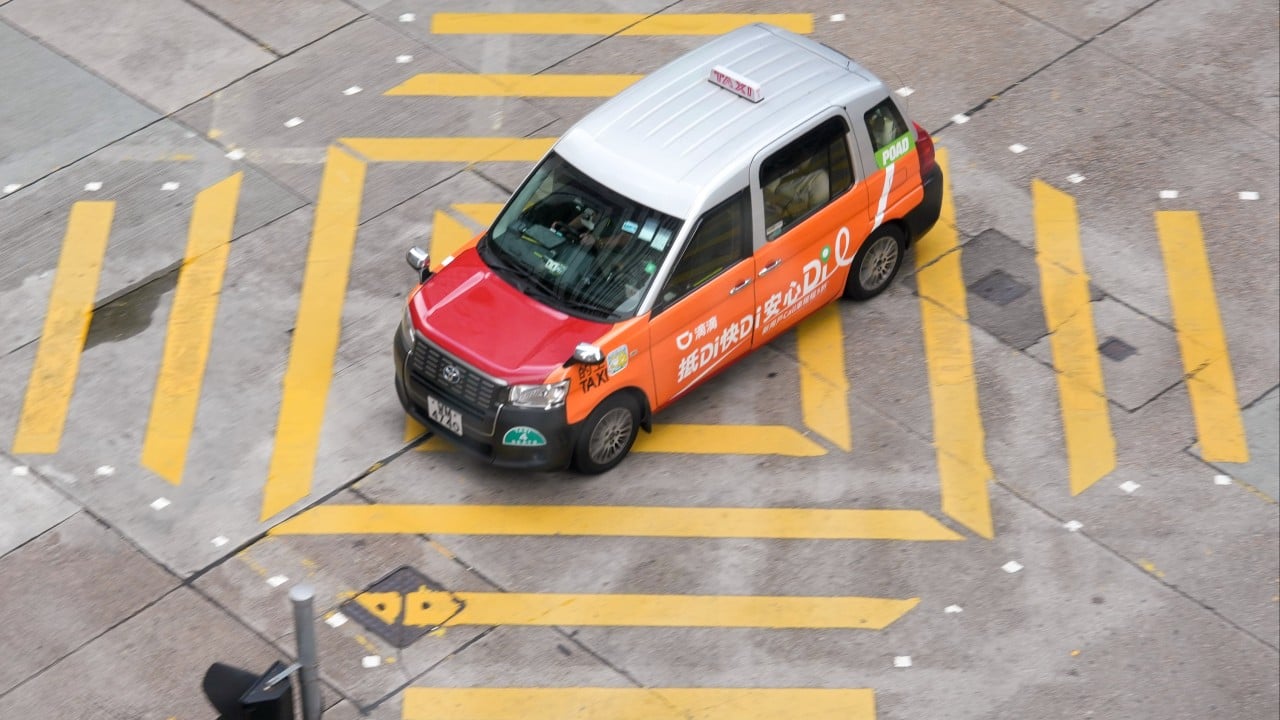
The Hong Kong government moved forward with a sweeping plan to impose a rigid ceiling on the city’s digital ride-hailing fleet. The magic number is 10,000. Only ten thousand permits will be issued to cars operating on platform apps. The most striking part of this development is not the regulation itself, but who threw their weight behind it. The mainland tech behemoths that built the ride-hailing ecosystem—the very corporations that spent a decade aggressively expanding their digital footprints—actively backed the cap. To explore the full picture, check out the recent analysis by Harvard Business Review.
To understand why a tech giant would welcome a limit on its own growth, you have to look past the spreadsheets. You have to sit in the passenger seat.
The Friction of Free Markets
For a long time, the narrative of ride-hailing was one of infinite expansion. More drivers meant lower wait times. Lower wait times meant more users. It was a beautiful, self-sustaining loop on paper. In reality, it turned the streets into a high-stakes game of musical chairs where the music never stopped, but the chairs kept disappearing.
Before the cap, an estimated thirty thousand active vehicles were vieing for a slice of Hong Kong's compact geography. The math was brutal.
Consider the physical reality of Hong Kong. It is a vertical marvel built on a horizontal premium. The city has roughly four hundred and fifty miles of public roads per square mile of land, a ratio that makes every square inch of tarmac a scarce commodity. When thousands of unregulated private cars flooded the network, the city choked.
The traditional red urban taxis, bound by a decades-old licensing system capped tightly at around eighteen thousand permits, watched their investments plummet. Fights broke out at intersections. Stings were organized by traditional operators. The government faced an existential crisis: how to modernize transport without triggering a systemic collapse of the traditional working class who poured their life savings into taxi licenses.
The 10,000-permit compromise is an attempt to freeze the chaos.
By limiting the digital fleet, the government intends to stabilize traffic flow and protect the baseline earnings of traditional transport worker unions. But for drivers like Kit, the cap feels less like a stabilization plan and more like a closing door.
The Logic of the Giants
It seems counterintuitive for an algorithmic platform to support a restriction on its supply chain. In the classic tech playbook, scale is everything. Yet, the endorsement from the ride-hailing giants reveals a deeper, more pragmatic shift in corporate survival.
Regulatory certainty is worth more than raw volume.
Operating in a legal gray zone carries massive hidden costs. Insurance premiums for unauthorized passenger transport are astronomical. Fines, legal battles, and constant public relations brushfires drain resources. By accepting a hard cap, the tech companies trade the wild west of infinite growth for a codified, legitimate seat at the table. They transition from disruptive outsiders to institutional pillars.
There is also the cold calculus of optimization.
When a platform has an infinite supply of drivers, individual driver retention drops. Frustrated by low yields, drivers cycle out quickly, forcing platforms to spend heavily on recruitment incentives and sign-up bonuses. A capped market of 10,000 permits creates an artificial scarcity. A permit becomes a prized asset. The drivers who secure them become a professionalized, highly stable workforce. The platforms can maximize the efficiency of every single car, ensuring they are constantly occupied rather than idling on side streets, wasting fuel and battery power.
The corporate strategy is elegant. The human cost is asymmetrical.
The Great Sorting
What happens on the morning the music finally stops?
The allocation of those ten thousand permits will decide who stays in the middle class and who gets pushed out entirely. The criteria will likely favor newer vehicles, spotless driving records, and drivers who can commit to full-time schedules.
This directly threatens the gig economy's original promise: flexibility.
Thousands of part-time drivers—parents earning extra income while kids are at school, musicians funding their art, elderly citizens supplementing meager pensions—will be priced or regulated out of the market. The industry will formalize. The casual driver will become an relic of the past.
Kit owns a seven-year-old Japanese sedan. It has a slight dent on the rear passenger door from a tight turn in a Kowloon alleyway. Under a strict merit-and-quality allocation system, his car might not make the cut. To stay competitive, he faces a choice: take on significant debt to lease a compliant electric vehicle from a fleet operator approved by the platforms, or walk away from the only job that has paid his rent for half a decade.
The uncertainty alters the mood inside the vehicle. The casual banter between driver and passenger is replaced by a tense focus on the GPS. Every minute stuck in traffic is no longer just a minor annoyance; it is a direct threat to a performance metric that could determine whether a driver receives a permit next year.
The Illusion of Fluidity
We often treat technology as something ethereal, a series of codes and clean interfaces that make life move faster. We forget that digital infrastructure always collides with physical constraints. A cloud-based algorithm eventually has to manifest as two tons of steel trying to squeeze through a single-lane street in Central.
The Hong Kong experiment is a preview of a global reckoning. Cities worldwide are realizing they cannot build their way out of congestion, nor can they let algorithms dictate the geometry of public spaces.
The cap changes the consumer experience too. The days of sub-five-minute wait times during a typhoon warning are over. Prices will inevitably rise as demand outstrips the fixed supply of ten thousand digital vehicles. The premium for convenience will return, turning ride-hailing back into what it was before the smartphone era: a luxury for those who can afford to bypass the subway system.
As the clock ticks toward dawn, the neon signs of the reflexology parlors and noodle shops begin to flicker off. Kit pulls over near the Star Ferry pier to wipe down his dashboard. His phone chirps—a notification from the app, updating him on the policy discussions.
The city is preparing to draw a hard line around its digital borders. Ten thousand cars will be allowed to keep the city moving. The rest will have to fade into the background. For the people behind the wheel, the road ahead is no longer an open highway; it is a narrow grid, defined by a number, governed by a permit, and monitored by an algorithm that has finally learned to love limits.