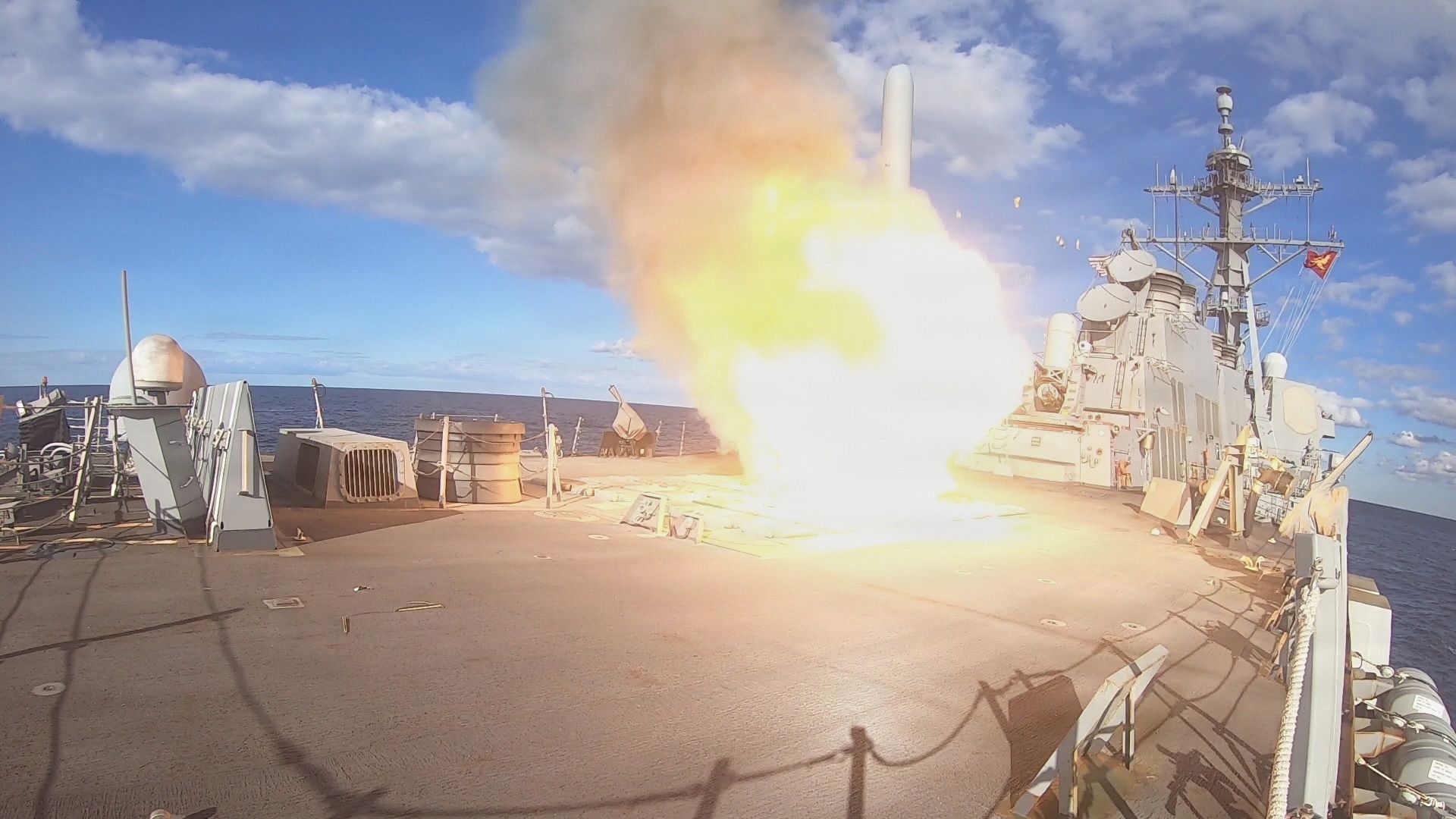
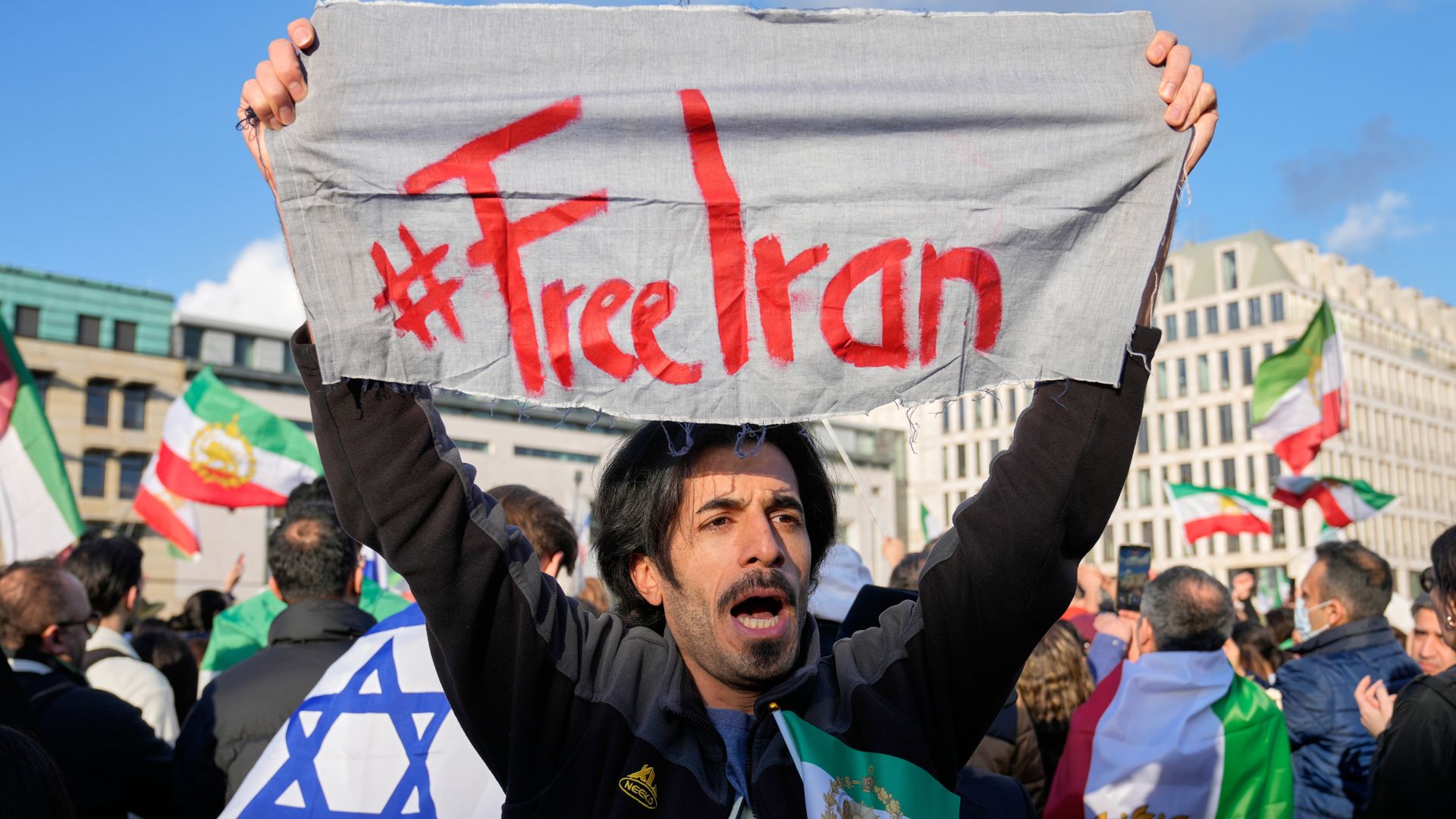
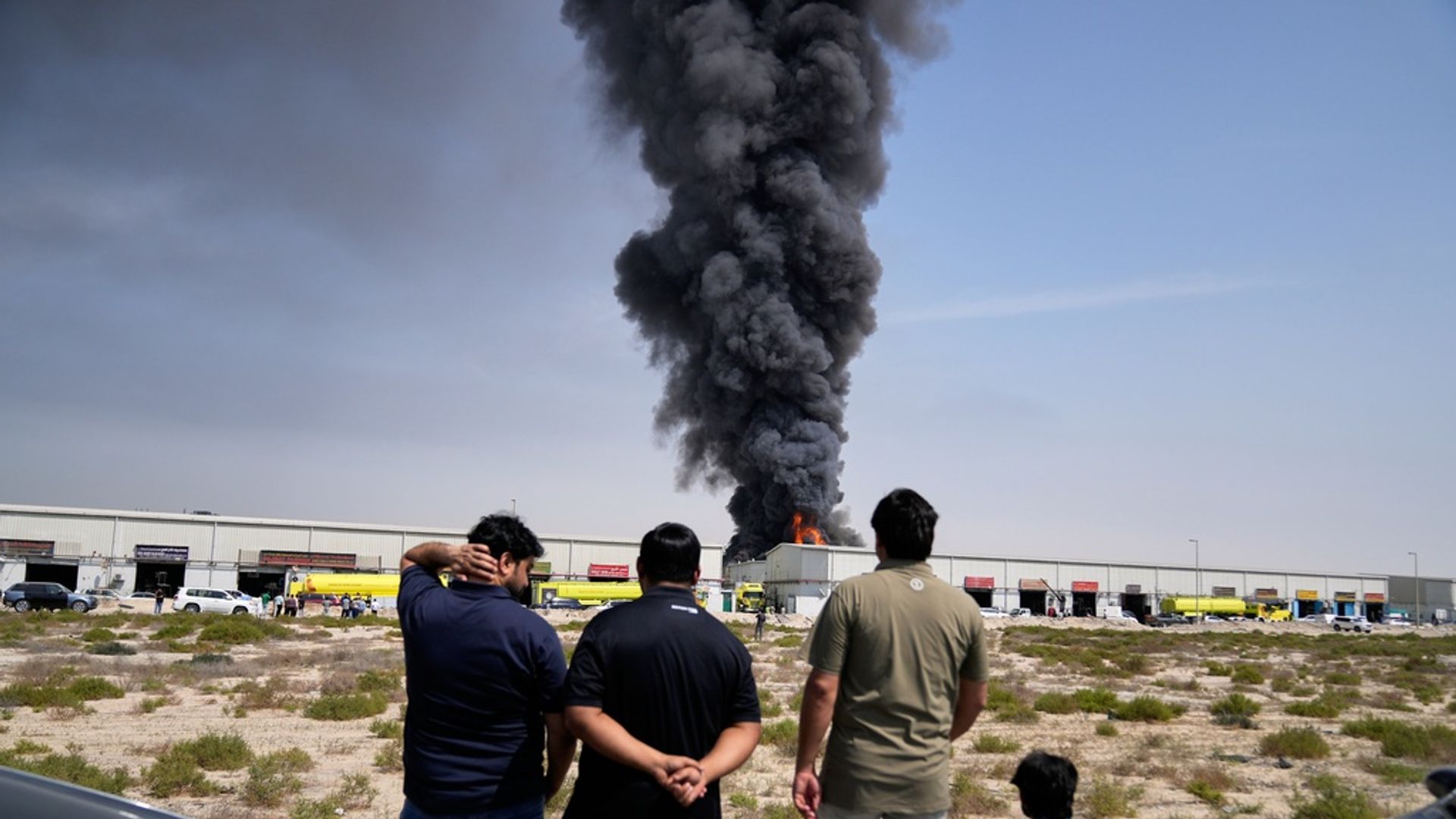
The sirens didn't just warn of incoming missiles. They signaled the end of a decades-long shadow war that has finally stepped into the blinding light of direct conflict. When Israeli jets screamed over Tehran earlier this morning, the world didn't just watch a military operation. We witnessed the shredding of the last remaining "red lines" in the Middle East.
This wasn't some symbolic gesture or a "message" sent through back channels. This was a massive, multi-wave kinetic response to Iran’s recent ballistic barrage—which itself was a direct retaliation for the high-profile killing of Supreme Leader Ali Khamenei. If you thought we were still in a cycle of "tit-for-tat," you’re missing the bigger picture. We’ve entered a state of open, high-stakes warfare between the region’s two most powerful militaries.
Why the Khamenei Strike Changed Everything
For years, Israel and Iran played a dangerous game of cat and mouse. Mossad would hit a nuclear facility; Iran would fund a proxy strike in the Galilee. It was predictable. It was managed. Then, the target became the head of the snake itself.
The assassination of Ali Khamenei wasn't just a blow to the Iranian command structure. It was an existential insult to the Islamic Republic's entire theological and political identity. No nation, let alone one that views itself as a regional hegemon, could leave that unanswered. Iran's subsequent launch of hundreds of drones and missiles was their attempt to restore deterrence. It failed. By penetrating Tehran’s airspace today, Israel proved that the "Ring of Fire" strategy—surrounding Israel with proxies—can't protect the Iranian heartland when the IDF decides to go for the jugular.
What the Strikes Actually Targeted
Early reports and satellite imagery show this wasn't a scattershot mission. The IDF went after the infrastructure that makes Iranian aggression possible. We're talking about:
- Integrated Air Defense Systems (IADS): Specifically the Russian-made S-300 and S-400 batteries surrounding the capital. You can't hit the leadership if you don't blind the radars first.
- Drone Manufacturing Hubs: The same facilities producing the Shahed drones that have become a staple of modern conflict from Ukraine to the Levant.
- Ballistic Missile Launch Sites: Removing the capability for a second Iranian wave.
By focusing on these targets, Israel is basically telling the IRGC: "We can see you, we can touch you, and your shields are useless." It’s a terrifying realization for a regime that has spent billions on its domestic defense industry.
The Misconception of the "Proportional" Response
Social media is currently flooded with pundits arguing about whether this response was "proportional." That’s a fundamentally flawed way to look at modern warfare. In this neighborhood, proportionality is a recipe for a forever war.
Israel’s military doctrine has shifted toward "decisive outcomes." They aren't trying to match Iran's fire; they're trying to extinguish it. When you’re a country the size of New Jersey, you can’t afford to trade blows indefinitely with a nation fifteen times your size. You have to hit so hard that the cost of continued escalation becomes unbearable for the opponent. That’s what we saw over Tehran. It wasn't about revenge for the previous week’s sirens. It was about dismantling the Iranian military’s ability to project power for the next decade.
The Proxy Problem Just Got Worse
While the jets were over Tehran, the borders in Lebanon and Gaza didn't go quiet. In fact, they got louder. Hezbollah is now in a "use it or lose it" position with its massive rocket arsenal. If Iran’s central command is fractured or distracted by domestic defense, the proxies might feel the need to escalate independently to take the pressure off their patrons.
This is the chaos theory of the modern Middle East. You knock out the hub, and the spokes start spinning wildly. We’ve seen increased activity from the Houthis in Yemen and militias in Iraq, all trying to create a multi-front distraction. It’s a desperate move. It shows that the "axis of resistance" is feeling the heat in a way they haven't felt since the 1980s.
How This Hits Your Wallet and Your World
Geopolitics isn't just a map on a screen. It's the price of gas at the pump and the stability of global trade. The Strait of Hormuz is the world's most important oil chokepoint. If Iran feels backed into a corner, they might try to close it. Even the threat of closure sends insurance premiums for shipping through the roof.
We’re also seeing a massive shift in regional alliances. Notice who stayed quiet today? Several Gulf nations have been quietly normalizing or coordinating with Israel because they fear a nuclear-armed, aggressive Iran more than they dislike the IDF. The map of the Middle East is being redrawn in real-time. This isn't just about two countries fighting. It’s about the total realignment of global energy and security interests.
What to Watch for in the Next 48 Hours
The dust hasn't settled. To understand where this goes, ignore the official government press releases and watch these specific indicators:
- The Iranian "Success" Narrative: If the regime starts downplaying the damage, they’re looking for an off-ramp. If they start showing "martyr" footage and promising "crushing" retaliation, get ready for round two.
- Oil Market Volatility: Watch the Brent Crude futures. If it spikes and stays high, the market is betting on a long-term supply disruption.
- Cyber Attacks: The next phase won't just be missiles. Expect massive attempts to hit civilian infrastructure—power grids, water systems, and banking—on both sides.
This conflict has moved beyond the point of easy diplomacy. The old rules are dead. We’re in a new era where the distance between Tehran and Jerusalem is measured in minutes, not miles.
If you're following this, stay away from the "breaking news" cycles that just repeat the same three clips of explosions. Look for the technical details of the sorties and the diplomatic silence from the Kremlin and the White House. That silence tells you more about the severity of the situation than any talking head ever could. Monitor the flight tracking data over the Persian Gulf—commercial airlines don't lie about where it's safe to fly.