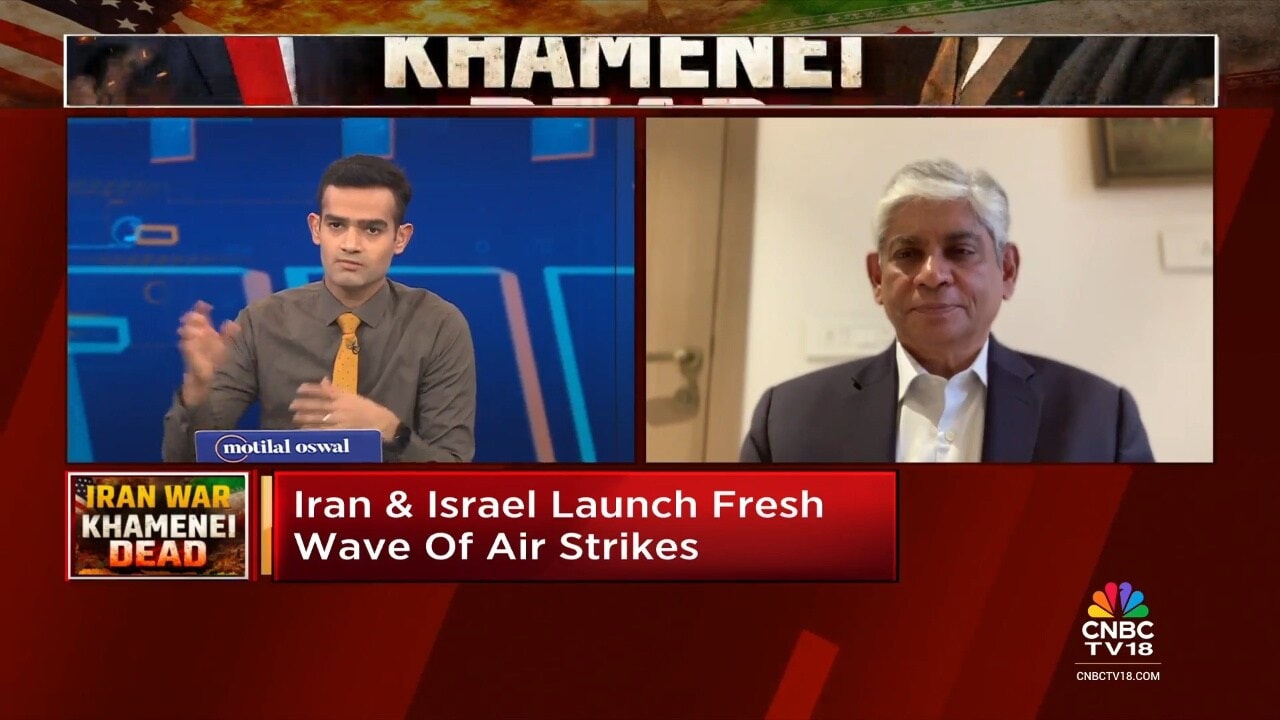
The air in Lahore doesn’t just sit; it clings. On a Tuesday night that should have been defined by the mundane hum of cooling fans and the scent of street-side parathas, the atmosphere curdled. It started with a vibration in the pocket. A notification. A rumor. Then, the confirmation that Ali Khamenei, the face of a theological era, was dead.
In the West, deaths of state heads are matters of protocol, flags at half-mast, and televised funerals. In the sprawling, interconnected nervous system of the Middle East and South Asia, such a death is a tectonic shift. It is the removal of a cornerstone from a building that was already swaying.
When the news hit the streets of Islamabad and the dusty squares of Baghdad, it didn't just bring grief. It brought fire.
The Cost of a Ghost
By midnight, the numbers began to tally. Nine lives. That is the cold math reported by the wire services. But numbers are a sanitized lie. Those nine people weren't "protestors" in a vacuum; they were sons, fathers, and shopkeepers who found themselves caught in the friction of a world trying to decide what comes next.
Consider a man in Karachi. Let’s call him Farhan. He isn't a political strategist. He’s a man who sells cellular top-up cards from a kiosk no bigger than a refrigerator. When the crowds surged into the street—some weeping for a lost spiritual father, others screaming for the end of an influence they felt had choked their own sovereignty—Farhan didn't have a side. He only had a storefront.
The first brick didn't care about his politics. The tear gas that followed didn't ask for his opinion on the succession of the Supreme Leader. By the time the sun rose, Farhan was one of the statistics. His death was a footnote in a report about "unrest," but to his neighborhood, it was the silencing of a man who knew everyone’s name and exactly how much credit they needed to get through the week.
The Invisible Strings
To understand why a death in Tehran causes a riot in Iraq, you have to understand the invisible strings of identity. This isn't about borders. It’s about a spiritual geography that ignores the lines drawn on a map by colonial powers a century ago.
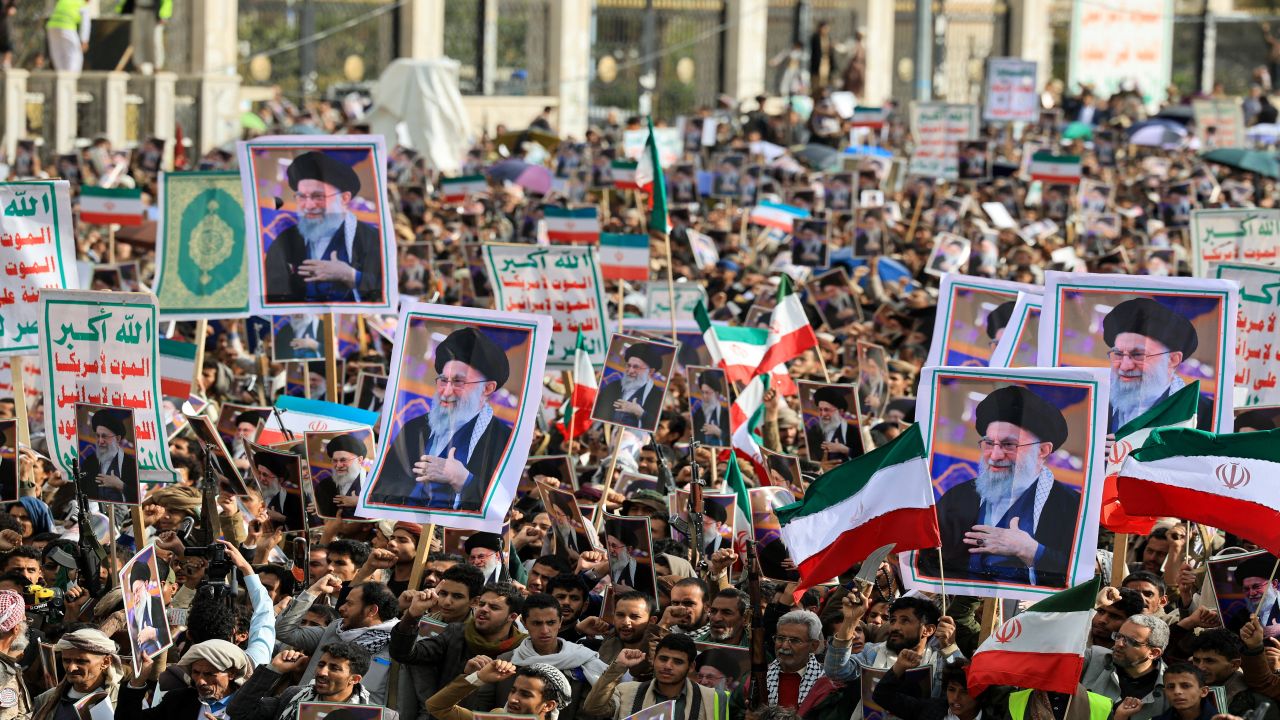
Khamenei was more than a politician. To millions, he was the Marja, a source of emulation. To others, he was the symbol of a shadow that stretched too far across their own borders. When that symbol vanished, the vacuum it left was high-pressure. It sucked the frustration, the hope, and the long-simmering resentment of a generation into the streets all at once.
In Baghdad, the Green Zone became a pressure cooker. This is a city that has learned to read the wind like a sailor reads the sea. When the news broke, the wind smelled like ozone and burning rubber. The clashes weren't just about mourning; they were a frantic, violent rehearsal for a future that no one has written yet.
If you’ve ever stood in a crowd that is truly angry, you know that sound. It isn't a roar. It’s a rhythmic, high-pitched vibration that makes the teeth ache. It’s the sound of people who feel that the only way to be heard is to break something.
The Geography of Grief
In Pakistan, the reaction was a fractured mirror. In the markets of Peshawar and the suburbs of Multan, the divide wasn't just between "pro-Iran" and "anti-Iran." It was between those who saw Khamenei as a bulwark against Western hegemony and those who saw his influence as a complication Pakistan could no longer afford.
The violence erupted in the seams. It happened at the intersections where different versions of the future collided.
- The ideological purists who saw the death as a call to martyrdom.
- The weary citizens who just wanted the roads to stay open so they could get to work.
- The opportunistic agitators who know that a vacuum is the best place to plant a flag.
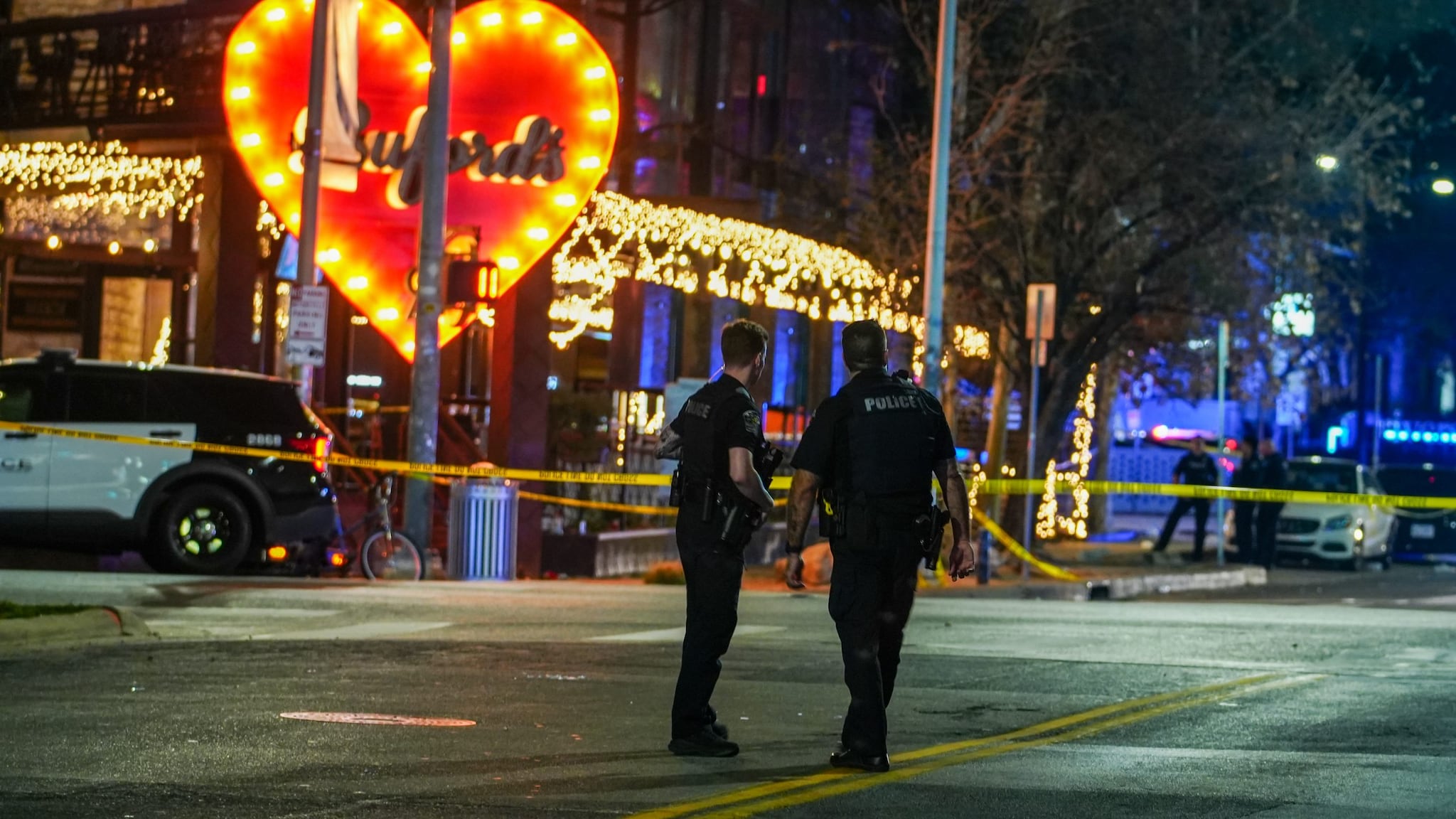
When the police moved in, the chaos became a blur of blue uniforms and black banners. The shots fired into the air were meant to disperse, but in a crowd fueled by the death of a titan, they acted like a catalyst. A body fell. Then another.
The Weight of What Remains
We often treat these events as "foreign news," something happening over there to people with different lives. But the stakes are universal. This is about what happens when a long-standing authority disappears and leaves no clear map behind.
It is the same fear you feel when a parent dies, or when a company you’ve worked at for twenty years collapses. It is the terror of the "What Now?"
For the people in Iraq and Pakistan, the "What Now" involves the price of bread, the safety of their children at school, and the question of whether their own government can hold the center. The death of a leader in a neighboring country shouldn't, in a logical world, lead to a funeral in a Pakistani village. But we don't live in a logical world. We live in an emotional one, tied together by faith, history, and the terrifying speed of a social media feed.
Beyond the Headlines
The news cycles will move on. The "Nine Killed" will become "Ten Killed" or stay buried in the archives. But the bruises on the soul of these cities don't heal as fast as the pavement is swept.
The real story isn't the death of an eighty-something-year-old man in a hospital bed in Tehran. The real story is the girl in Baghdad who has to stay home from university because the bridges are closed. It’s the mother in Lahore who is watching the news with a hand over her mouth, wondering if her son was one of the people in the grainy cell phone footage of the stampede.
The stake isn't just "stability" or "geopolitics." It’s the ability to wake up and believe that the world will be the same shape it was when you went to sleep.
That Tuesday night, the shape changed.
The fires in the streets eventually died down to embers. The police cordons were lifted. The world went back to the business of surviving. But in nine homes, the lights stayed on all night for a different reason. There was no one coming home to turn them off.
The old world didn't just lose a leader; it lost the illusion that it was held together by anything stronger than the breath of its inhabitants. Now, everyone is holding their breath, waiting to see who exhales first.
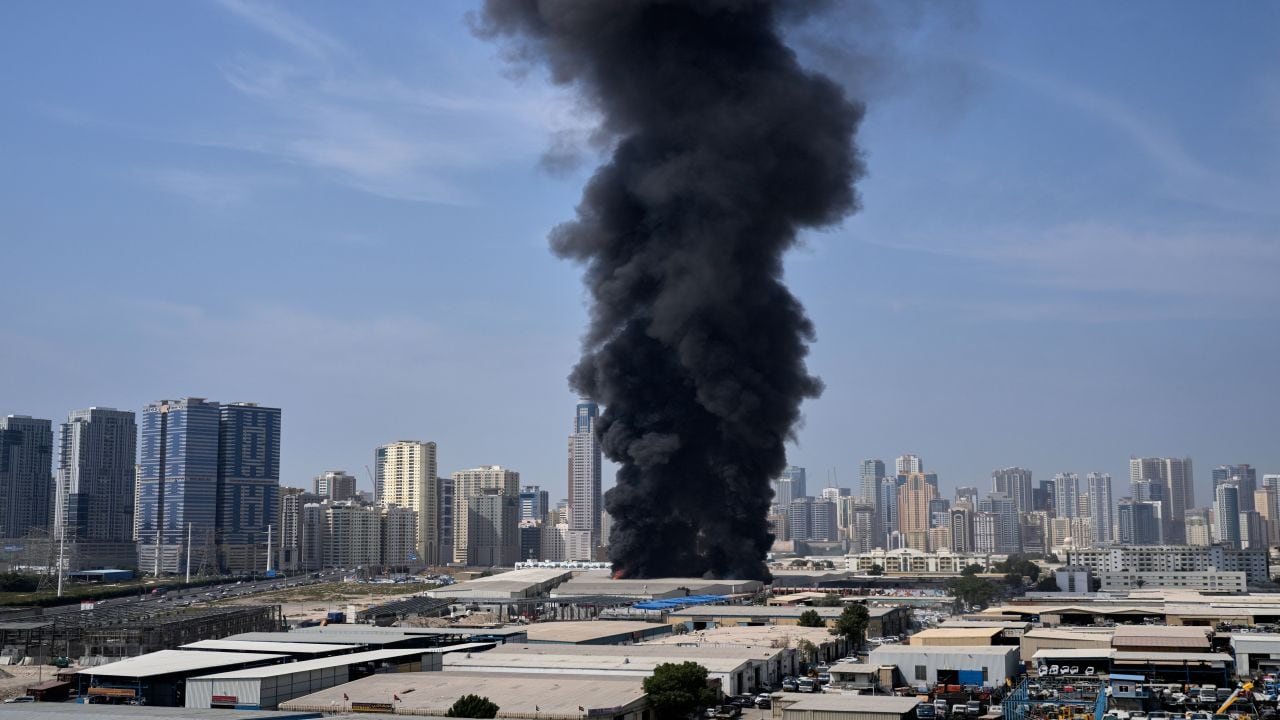
The smoke has cleared, but the air still tastes like copper.