The math seems simple on a balance sheet. Billions of dollars in Section 301 tariff refunds are finally flowing back into corporate coffers, and for a giant like Nike, this should be a victory lap. Wall Street analysts are already salivating over the margin expansion. They see a direct line from government checks to padded earnings reports. But this optimistic view ignores a fundamental rot in the relationship between the brand and the person wearing the sneakers.
Nike is currently entangled in a high-stakes tug-of-war between retroactive tax relief and a consumer base that has grown weary of paying premium prices for perceived stagnation. The core premise is that these refunds act as a "catalyst." In reality, they are a band-aid on a gaping wound of brand relevance. While the treasury sends money back to Beaverton, the people who actually buy the shoes are looking elsewhere. For a closer look into similar topics, we recommend: this related article.
The Mirage of Margin Expansion
The logic driving the recent surge in analyst optimism relies on the idea that recovered costs automatically translate into health. When the U.S. government collects tariffs on Chinese-made goods—specifically under the trade war era's Section 301—that money is sucked out of the company's gross margin. Getting it back is, theoretically, a pure injection of cash.
However, Nike didn't just absorb those costs over the last few years. They passed them on. To get more context on this issue, detailed reporting can be read at Forbes.
Retail prices for flagship models have crept up steadily. A "standard" pair of Jordans or high-performance runners now sits at a price point that requires a significant mental justification from the buyer. If Nike receives a massive refund for taxes paid on goods sold three years ago, that money doesn't go back to the customer who paid the inflated price. It goes to the balance sheet. This creates a disconnect. The company gets wealthier while the customer feels squeezed.
The Inventory Hangover
Nike’s bigger problem isn't the tax man. It is the pile of shoes sitting in warehouses. To understand why a tariff refund won't fix the brand, you have to look at the massive inventory glut that has plagued the apparel industry since 2022.
When supply chains thawed, Nike was flooded with product. To move that product, they had to lean heavily on liquidations and heavy discounting. This trained the consumer to never pay full price. Now, as they try to re-establish "premium" positioning, they are finding that the "Swoosh" no longer commands the instant, unquestioned loyalty it once did. A tax refund doesn't make a stale sneaker design more attractive to a teenager looking at On Running or Hoka.
The Direct to Consumer Backfire
For years, the internal mantra at Nike was "Direct to Consumer" (DTC). The plan was bold and, on paper, brilliant. By cutting out wholesale partners like Foot Locker and local independent shops, Nike would keep the entire profit margin for itself. They would own the data. They would own the relationship.
It failed.
By retreating from the "boring" shelves of suburban malls, Nike left a vacuum. New, hungrier brands stepped into that space. While Nike was busy trying to force everyone onto their SNKRS app, brands like Brooks and New Balance were winning over the everyday runner who just wants to try a shoe on in a store. The "catalyst" of a tariff refund is being applied to a distribution model that is currently undergoing a painful, public pivot back toward the wholesalers they once shunned.
Why the Customer is the Ultimate Auditor
Investors often forget that "the market" is just a collection of people making emotional decisions with their wallets. The current economic climate has turned the average shopper into a ruthless auditor of value.
- Price Sensitivity: Middle-class discretionary income is shrinking.
- Brand Fatigue: The constant "hype" cycle of limited releases has exhausted even the most dedicated sneakerheads.
- Quality Concerns: Long-time fans have voiced increasing frustration over QC (quality control) issues in mass-produced retros.
If Nike uses its tariff windfall to buy back shares or pay dividends—which is the standard corporate play—it does nothing to address these three points. A company can have a perfect balance sheet and still be culturally bankrupt.
The Innovation Drought
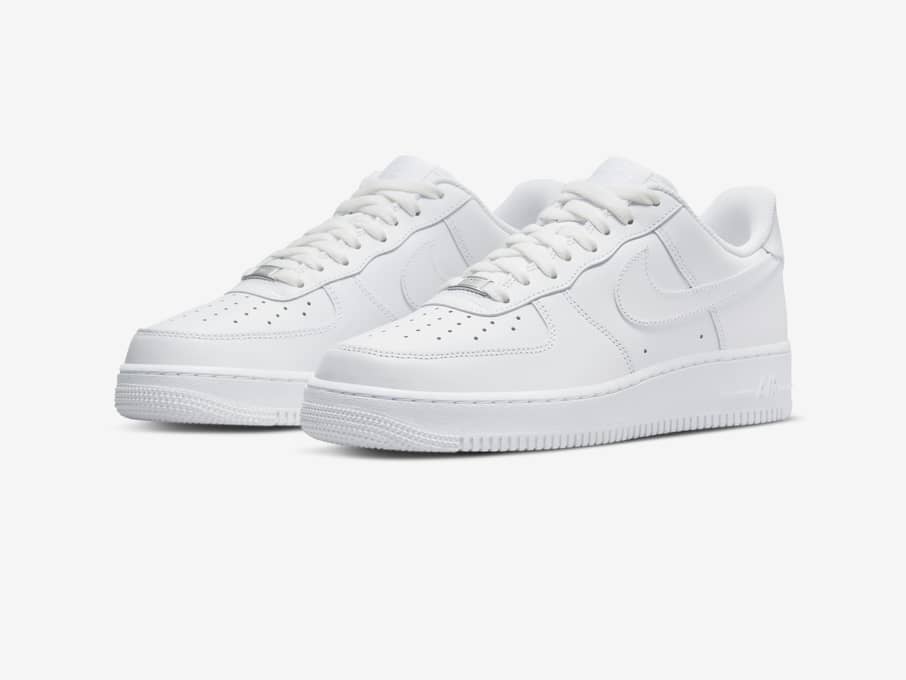
Let’s be blunt about the product. Nike has been recycling the successes of the 1980s and 90s for two decades. The Air Force 1, the Dunk, and the Jordan 1 are the pillars of their revenue. But these are lifestyle icons, not performance breakthroughs.
The competitive advantage Nike held for decades was built on the "Innovation Kitchen." They made the fastest shoes, the lightest kits, and the most daring designs. Lately, that kitchen feels like it’s just reheating leftovers. While they were fighting trade wars and managing tariff litigation, competitors were inventing new foams and new carbon-plate geometries that actually changed how people run.
A tax refund is a one-time event. Innovation is a constant requirement. If the "catalyst" doesn't fund a radical shift back toward performance dominance, it is just accounting noise.
The Geopolitical Wildcard
The assumption that the tariff story ends with a refund is dangerously naive. Trade policy is not a static environment. We are entering an era of permanent volatility in global manufacturing.
Nike has spent years trying to diversify its manufacturing base away from China, moving heavily into Vietnam and Indonesia. But these shifts are expensive and fraught with labor risks. If the U.S. administration decides to pivot its trade pressure toward other Southeast Asian nations, the cycle of tariffs and litigation starts all over again.
The Currency Trap
Even if the tariff money comes back, Nike faces a brutal headwind in the form of a strong dollar. A significant portion of their growth is expected from international markets, particularly Greater China. When they convert those foreign sales back into USD, the gains vanish. A few hundred million from the U.S. Treasury is a drop in the bucket compared to the billions lost in currency fluctuations and sagging demand in the Chinese market.
The Hidden Cost of "Clean" Balances
There is a psychological trap in corporate leadership when a "windfall" arrives. It creates a sense of safety that isn't real. Executive teams often use one-time gains to mask operational inefficiencies.
Instead of making the hard choices—cutting bloated middle management, ending failing product lines, or firing underperforming creative directors—they use the refund to hit their quarterly targets and keep the board happy. This is the definition of "kicking the can down the road."
The real test for Nike isn't whether they get their money back from the government. It’s what they do the day after the check clears.
Performance vs. Perception
The most dangerous thing for Nike right now is the perception that it has become a "finance company that happens to make shoes." When the narrative around a brand shifts from the product to the tax strategy, the brand is in trouble.
High-end journalism requires us to look past the ticker symbol. When you walk through a major city, look at what the people who care about style are wearing. They aren't checking the latest rulings from the U.S. Court of International Trade. They are looking for something that feels new, something that feels authentic, and something that justifies a $180 price tag.
Nike used to be the only answer to that search. Now, they are just one of many options, and no amount of government-mandated refunds can buy back the "cool" they've traded for corporate efficiency.
The Path Forward is Not Financial
To fix the trajectory, the focus must shift away from the "catalysts" that satisfy analysts and back toward the friction that frustrates customers.
- Aggressive R&D: Stop the retro-dependency. Invest the refund money into materials science that competitors cannot replicate.
- Wholesale Repair: Stop treating retail partners like enemies. Nike needs to be where the people are, not just where the app is.
- Price Realism: Acknowledge that the "premium" ceiling has been hit. Re-introduce high-quality, accessible products that don't require a payment plan.
The market is currently betting on a mathematical recovery. But math doesn't wear shoes. People do. If Nike continues to prioritize the balance sheet over the soul of the brand, the tariff refund will be remembered as the last bit of fuel for a dying engine.
The real story isn't the money coming back. It’s the trust that has already left.
Stop looking at the tax forms and start looking at the feet of the next generation. That is where the real deficit lies.